I’ve adored David Lynch’s Twin Peaks: Fire Walk With Me for decades. Since launching Twin Peaks Blog in 2018, I’ve explored the behind-the-scenes stories and details of how this film was created. This time, I’m returning to the end of May 1991 when it was announced that the groundbreaking series would continue as a feature film. Through newspaper articles and interviews, I’ve traced a brief history of this pre-production time period for Lynch’s 1992 masterpiece.
ANNOUNCING ‘TWIN PEAKS: FIRE WALK WITH ME’ ON MAY 27, 1991

On Monday, May 27, 1991, a brief article Variety announced Aaron Spelling Productions would revive Mark Frost and David Lynch’s television series Twin Peaks as a feature film. This news was shared roughly two weeks before ABC Television aired the final two episodes of the show’s second season – episodes 2.021 and 2.022 – on June 10 as a Monday Night Movie of the week. I’m still looking for a copy of this particular issue of Variety (everything turns up in time).

Production on the final two episodes had wrapped in early March 1991. According to the AFI Catalog, Spelling had considered “continuing Twin Peaks as a syndicated series for U.S. and international distribution, but the $500,000-per episode cost of production was too high.” So Twin Peaks would continue as a feature film.
WHY DID DAVID LYNCH MAKE TWIN PEAKS: FIRE WALK WITH ME?
It’s funny to think that if ABC Television had picked up the series for a third season in 1991, he may have never made one of his greatest films – Twin Peaks: Fire Walk With Me. Lynch wasn’t ready to leave the world of Twin Peaks, so he pivoted to the idea of making a prequel as explained to Chris Rodley in his 1997 book, “Lynch on Lynch.”
“At the end of the series, I felt sad,” Lynch said. “I couldn’t get myself to leave the world of Twin Peaks. I was in love with the character of Laura Palmer and her contradictions: radiant on the surface but dying inside. I wanted to see her live, move and talk. I was in love with that world and I hadn’t finished with it. But making the movie wasn’t just to hold on to it: it seemed that there was more stuff that could be done. But the parade had gone by. It was over. During the year that it took to make the film, everything changed. That’s the way it happens, sometimes. And then there’s this thing about turning on people. It’s so natural, in a way. It happens to so many people.” (page 184)
In the latter part of his answer, Lynch describes how the public’s fascination with Twin Peaks had changed. This was best seen following the film’s debut of the Cannes Film Festival on May 16, 1992. There were two screenings that day and the critics’ screening wasn’t well received (Lynch received, however, a warm reaction during the general audience screening – all detailed in this deep dive about the festival screening).
WRITING TWIN PEAKS: FIRE WALK WITH ME
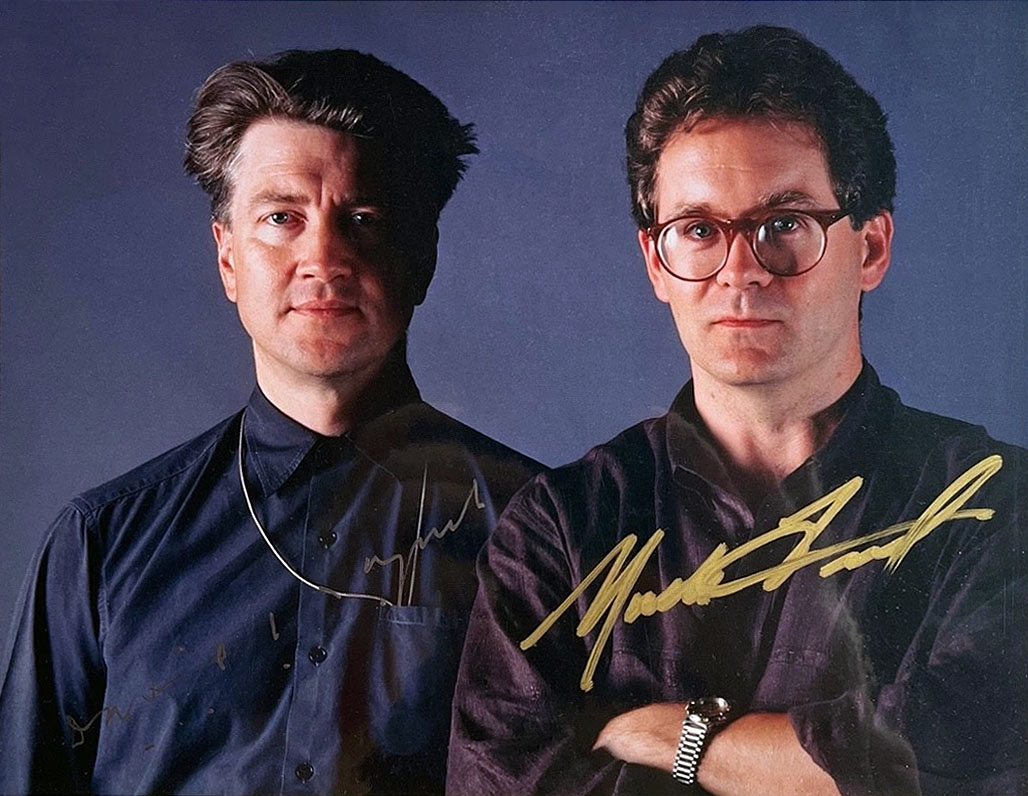
Unlike the groundbreaking television series, Mark Frost would not be involved with the feature film. In his excellent 2016 book, “The Essential Wrapped in Plastic: Pathways to Twin Peaks,” Frost told author John Thorne why he declined to participate.
“I was not involved at all,” explained Frost. “David and I had a disagreement about what direction a movie should go. I felt very strongly that our audience wanted to see the story go forward. So I declined to be involved in the movie.” (Page 250)
Mark Frost would expand on these comments with author David Bushman for “Conversations with Mark Frost” decades later.
“I was busy doing Storyville, and given where we ended how wed left the audience at the end of the series – I thought it was an opportunity to go forward and tell more of the story rather than backward and go over what felt to me like familiar ground,” said Frost. “It was predominantly that I didn’t have the bandwidth at that moment. I was up to my eyebrows. If it had been my choice alone, I would not have gone that way. Lynch felt strongly this was the film he wanted to make. So I said, by all means, go ahead.” (Page 151)
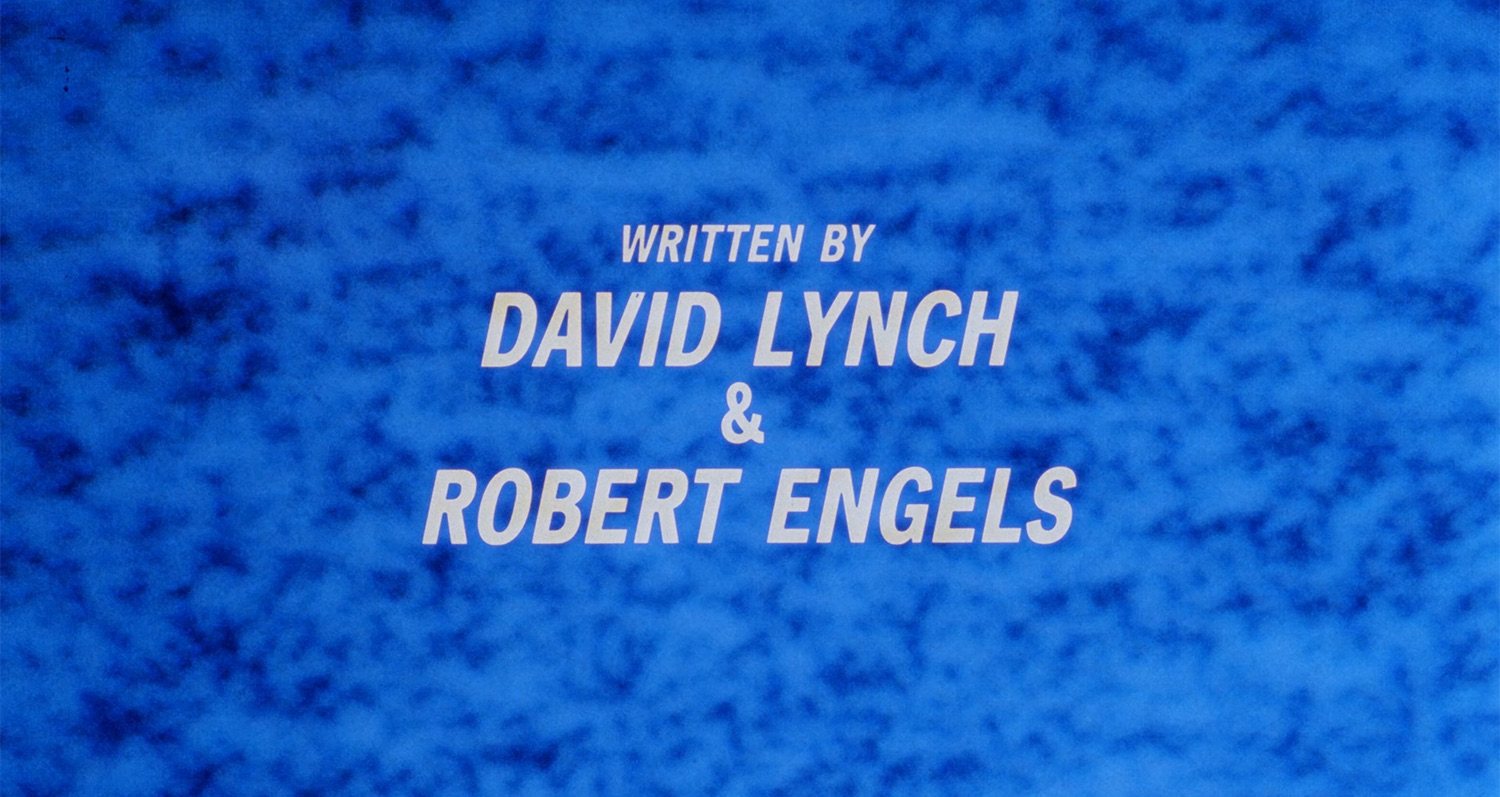
David turned to another Twin Peaks writer, Robert “Bob” Engels,” to co-write the feature film. Engels had contributed to the series since the first season, writing episode 1.004 that first contained Gordon Cole via a speakerphone. He would later write or co-write multiple episodes for the second season including 2.003, 2.004, 2.006, 2.009, 2.015, 2.018, 2.020, 2.022.
On May 5 2013, Bob Engels attended a “Twin Peaks Retrospective” held at the University of Southern California. Fellow Twin Peaks author and Bookhouse Gal, Courtenay Stallings wrote about her experience for Scott Ryan Productions. Bob discussed working with Lynch on the film:
“Engels said when he and Lynch were working on a script called ‘In Heaven,’ Lynch told him he wanted to make a ‘Twin Peaks’ film. Engels and Lynch decided to write the film as a prequel and sequel to the television series. Engels said it was really an attempt to answer the question, “What else can we tell about this story?” Engels mentioned a lot of scenes that were cut from the script and film, including scenes in Argentina involving Josie Packard and Windom Earle. There was a whole 1950’s sequence of the inauguration of President Dwight D. Eisenhower that was cut. Shots of bugs crawling under a Formica table were removed. Engels said the process of writing with Lynch took some interesting turns because ‘you kind of go wherever you go. We would hit on something, and then we would do 10 pages of that.’ Engels said the dreamlike sequence of everything allowed for the possibility of anything to happen, so it wasn’t unimaginable to tell the story of ‘Twin Peaks’ going back to the 1950s or even the 1850s.”
Bob would share a similar story with author John Thorne in “The Essential Wrapped in Plastic” book.
“Somewhere in [the second season] David and I started to work more together and Mark [Frost] and Harley [Peyton] worked more together,” Bob explained. “Then David and I started another project, and another project, which grew into us being writing partners for about three-and-a-half years.”
The pair worked on a script called “In Heaven” which was about a “guy forced to marry an ugly woman and then she becomes more beautiful.” Then David got the idea to do a prequel to Twin Peaks.”
“I can remember arriving at David’s and he said, ‘What do you think about doing Twin Peaks – a prequel?’,” continued Bob. “I said, ‘That would be fun.’ David said, ‘Well, you know, we have to spec it out.’ David specs everything out. I said, ‘I think we can find somebody who wants to do that.’ And away we went. Then David went to the French and they added it to his deal.”

The deal was with French producer and distributor CIBY 2000, whose founder, Francois Bouygues, had recently negotiated a $70-million three-picture deal with David Lynch.
More recently on April 23, 2026, Engels shared a similar story with Eric Grissom for the “Meanwhile” podcast.
“I think it was it that David and I just got along so great,” said Bob. “I’ve never been sort of career oriented in anything, so we would sit over to his house and cook stuff up and have a great time doing it.”
Bob said that it may have been during the second season that they started to think about a film.
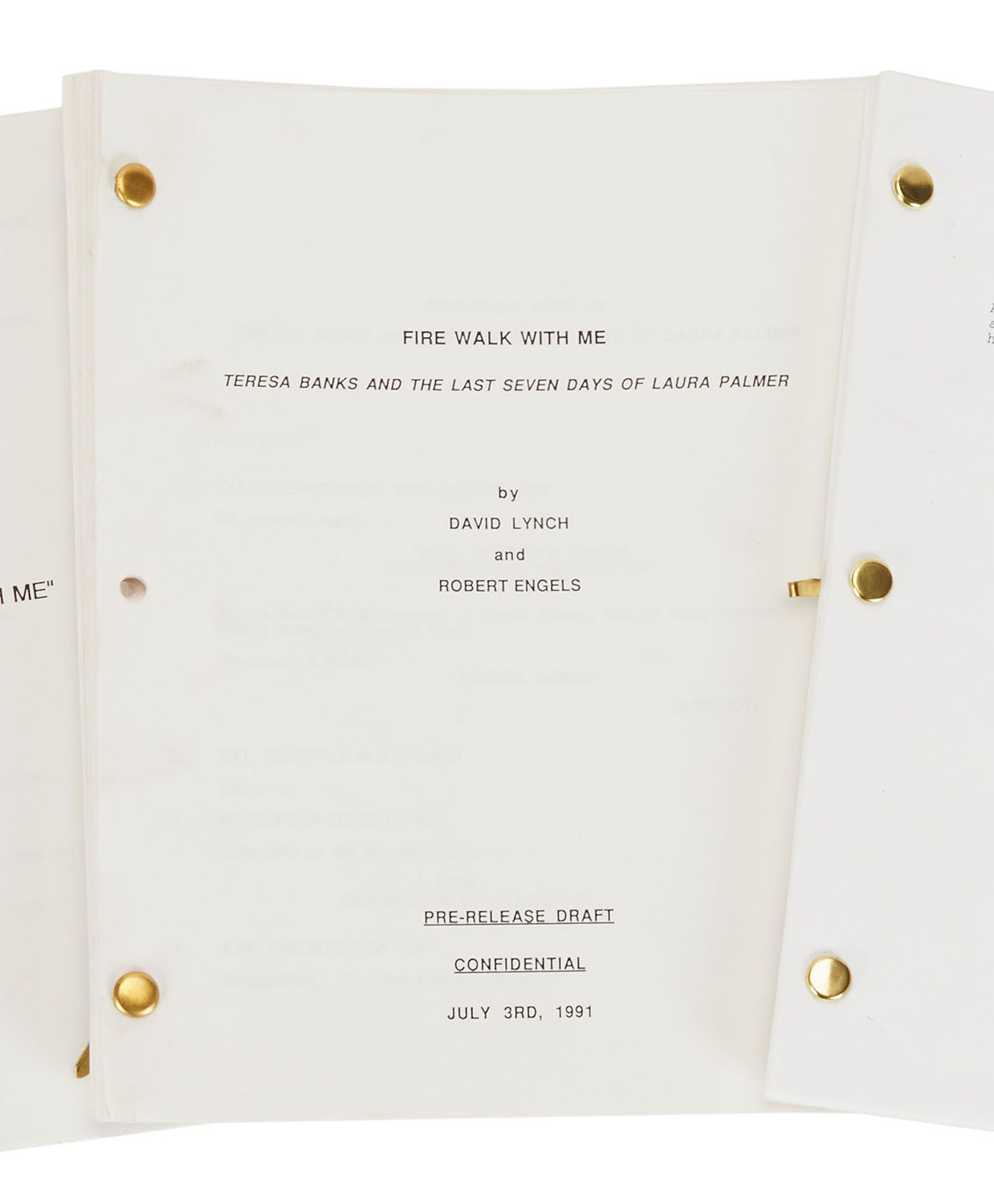
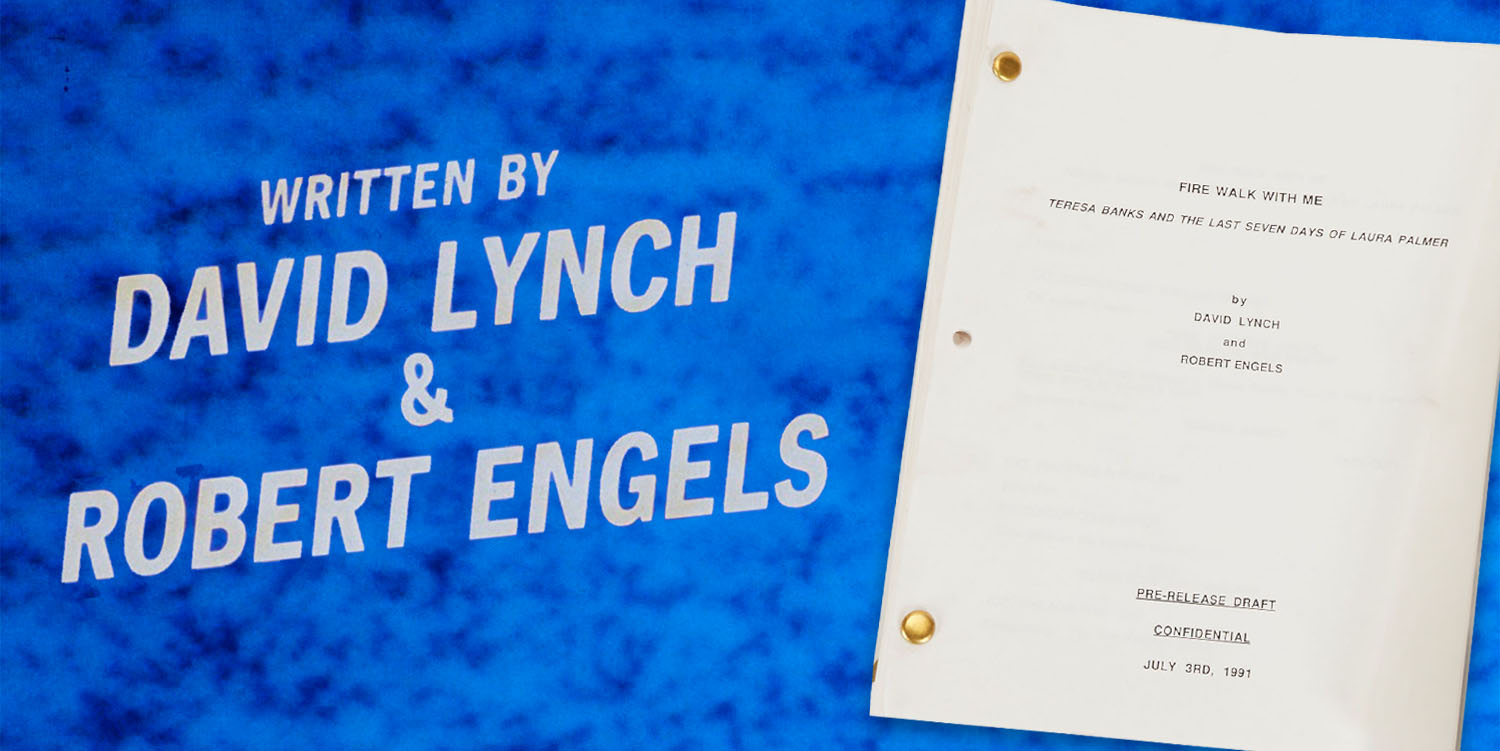
By July 3, 1991, Lynch and Engels had wrote a “Pre-Release Draft” of Twin Peaks: Fire Walk With Me. A copy of it was offered at David Lynch-themed auction hosted by Julien’s Auctions in 2025.
At the USC Retrospective in 2013, Engels described his writing process with David:
“He would arrive at Lynch’s place at 3 p.m. and they would work until 6 p.m.,” wrote Courtenay Stallings. “Then, they would call it quits and drink wine with their wives, and he would go home. He would type and Lynch would stand behind him. Engels said the actual writing of the script only took about a week after they figured everything out. He and Lynch would act out the parts – Lynch would usually play the bad guys, and Engels the good guys.”
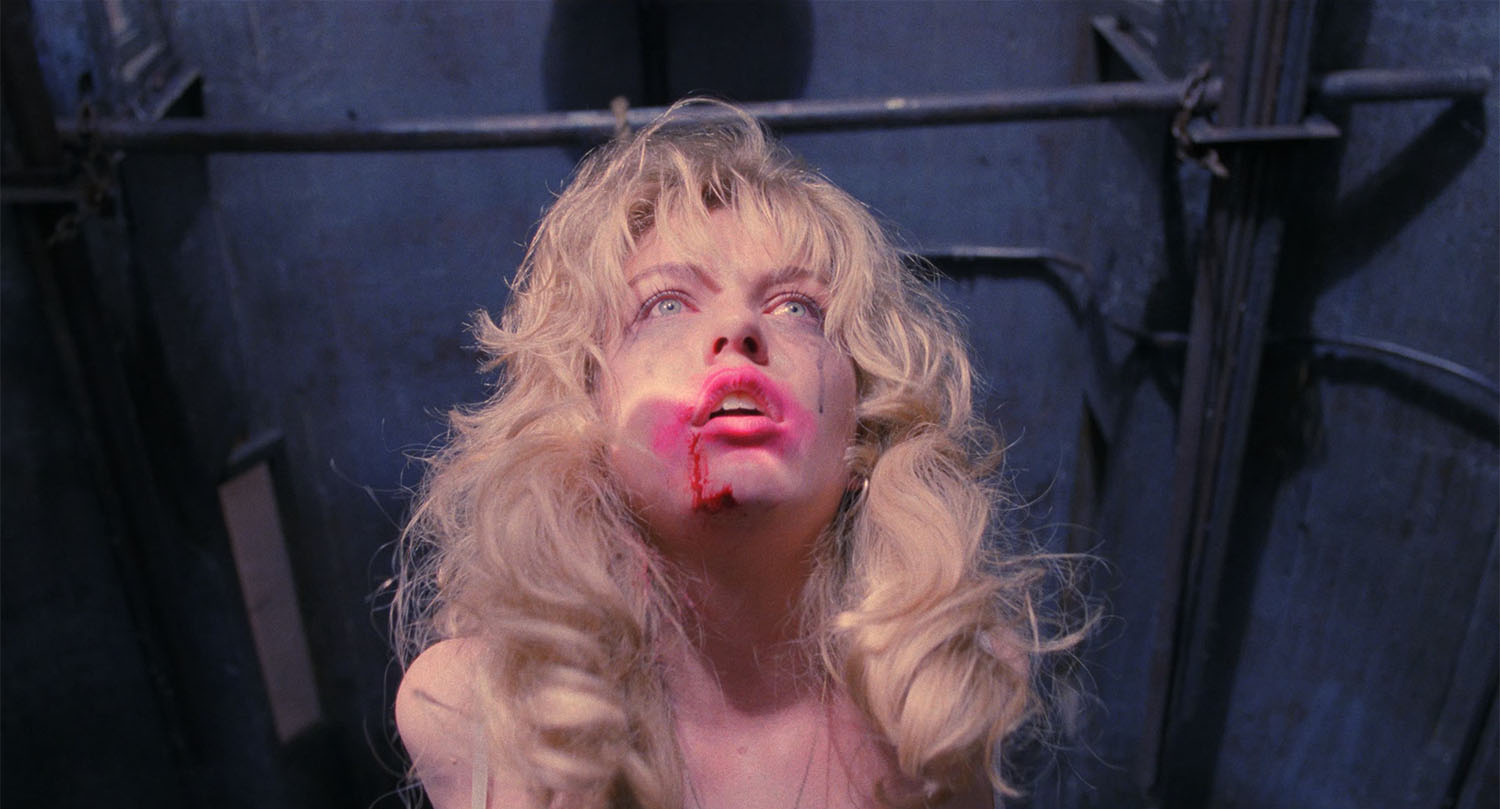
“We had planned out a story line for) three or four years for the series,”Robert Engels said to reporter Jeff Strickler in an August 30, 1992 article in the Minneapolis-St. Paul Star Tribune. “When we learned there would be no third season, we felt as if we’d left the story unfinished.”
At the time, Engles called the film a “sort of prequel.”
“It hops around,” Engels said of the movie, which [opened] Friday [August 28, 1992]. “David (Lynch, director and co-writer) and I didn’t make a conscious decision to turn it into a prequel, we just wanted to do something about ‘Twin Peaks’ and that’s what we ended up with. It really isn’t a prequel because part of the story takes place before (the TV stories) and part after. But I can’t say any more than that.”
Later in the article, Engels promised the film would “break new ground but he wouldn’t offer specifics.”
“I will say this: The last 20 minutes will be like nothing you’ve ever seen before.”
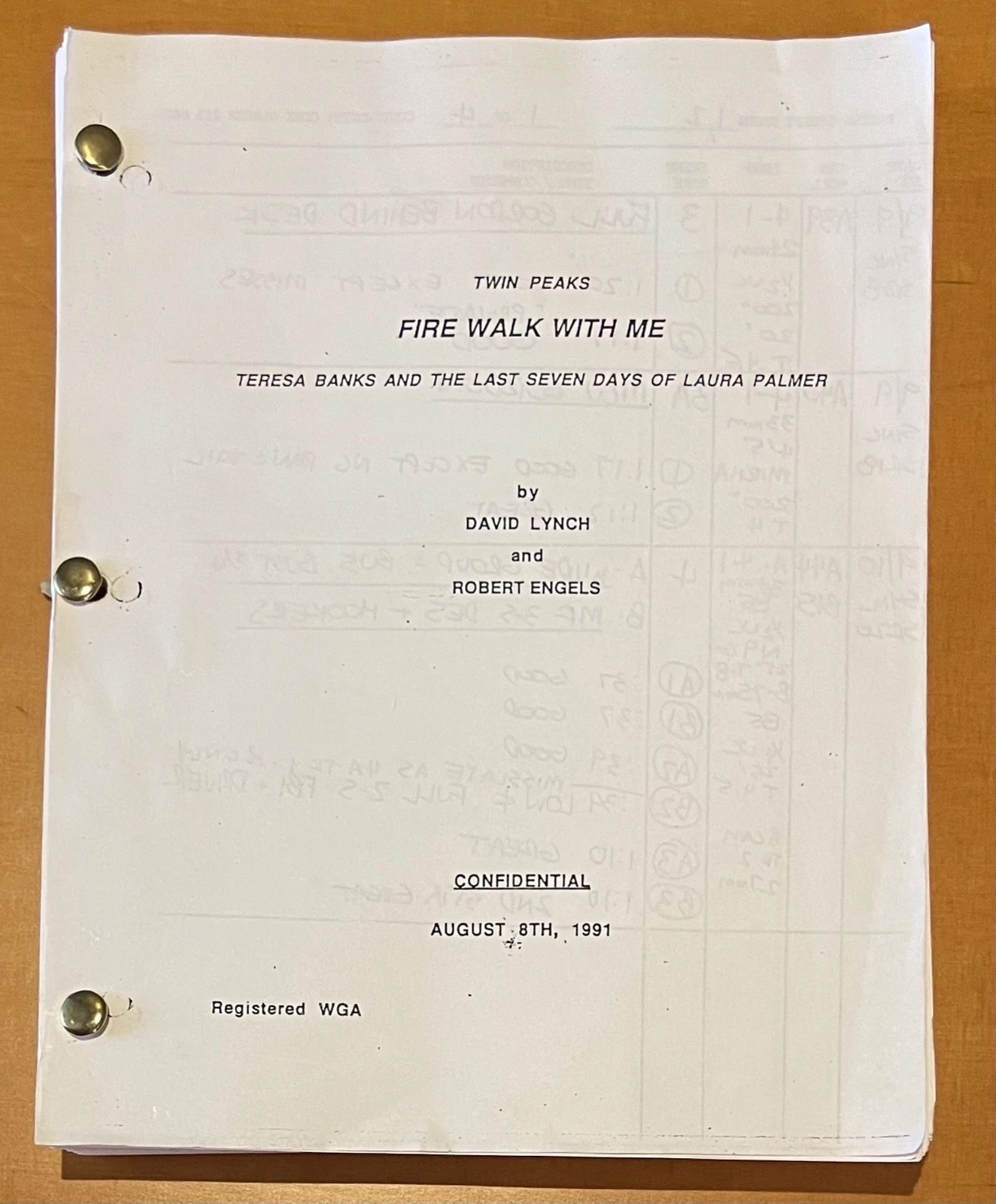
This script would eventually be revised again by August 8, 1991 before filming began at the Riverside Mobile Home Park in Snoqualmie, Washington on September 4, 1991.
There was also a brief moment that summer when the film almost didn’t happen due to a dispute about film distribution rights and participation from Kyle MacLachlan. But that’s a different story for another time.
REACTIONS ABOUT A POTENTIAL TWIN PEAKS MOVIE
There were a handful of follow up articles and reaction after the Variety announcement from May 27. The first was from Gary Thompson from The Philadelphia Daily News. Mr. Thompson wasn’t a fan of the idea (and it generally seems he didn’t enjoy Lynch’s works overall).
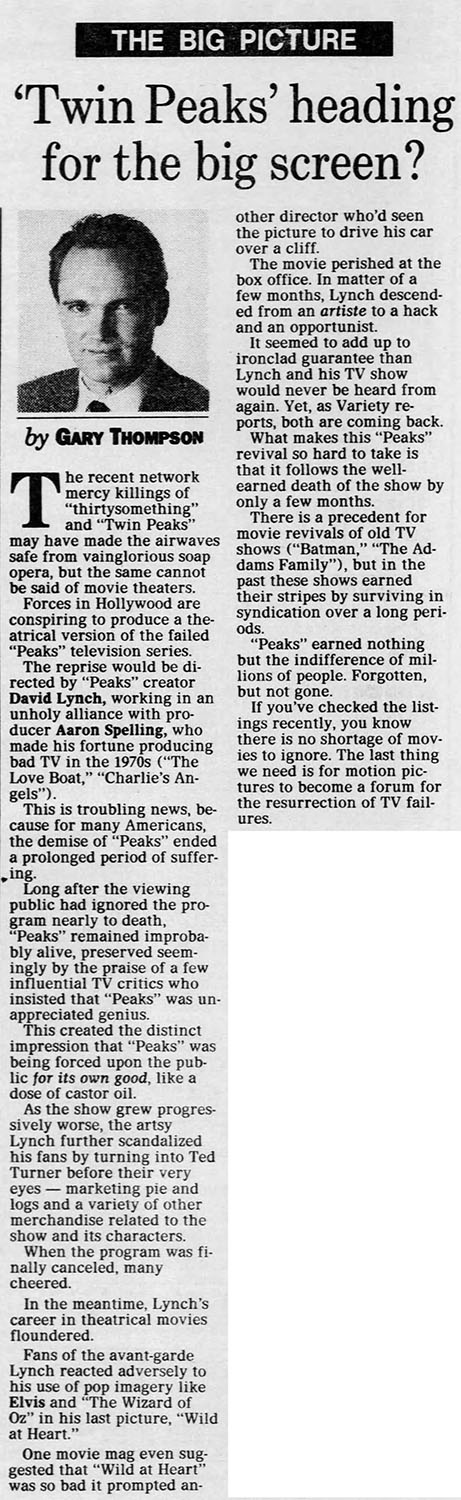
The recent network mercy killings of “thirtysomething” and “Twin Peaks” may have made the airwaves safe from vainglorious soap opera, but the same cannot be said of movie theaters.
Forces in Hollywood are conspiring to produce a theatrical version of the failed “Peaks” television series.
The reprise would be directed by “Peaks” creator David Lynch, working in an unholy alliance with producer Aaron Spelling, who made his fortune producing bad TV in the 1970s (“The Love Boat,” “Charlie’s Angels”).
This is troubling news, because for many Americans, the demise of “Peaks” ended a prolonged period of suffering.
Long after the viewing public had ignored the program nearly to death, “Peaks” remained improbably alive, preserved seemingly by the praise of a few influential TV critics who insisted that “Peaks” was unappreciated genius.
This created the distinct impression that “Peaks” was being forced upon the public for its own good, like a dose of castor oil.
As the show grew progressively worse, the artsy Lynch further scandalized his fans by turning into Ted Turner before their very eyes – marketing pie and logs and a variety of other merchandise related to the show and its characters.
When the program was finally canceled, many cheered [ed. not – Who cheered? Not I said the lamb]
In the meantime, Lynch’s career in theatrical movies floundered.
Fans of the avant-garde Lynch reacted adversely to his use of pop imagery like Elvis and “The Wizard of Oz” in his last picture, “Wild at Heart.”
One movie mag even suggested that “Wild at Heart” was so bad it prompted another director who’d seen the picture to drive his car over a cliff.
The movie perished at the box office. In matter of a few months, Lynch descended from an artiste to a hack and an opportunist.
It seemed to add up to ironclad guarantee than Lynch and his TV show would never be heard from again. Yet, as Variety reports, both are coming back.
What makes this “Peaks” revival so hard to take is that it follows the well-earned death of the show by only a few months.
There is a precedent for movie revivals of old TV shows (“Batman,” The Addams Family”), but in the past these shows earned their stripes by surviving in syndication over a long periods.
“Peaks” earned nothing but the indifference of millions of people. Forgotten, but not gone.
If you’ve checked the listings recently, you know there is no shortage of movies to ignore. The last thing we need is for motion pictures to become a forum for the resurrection of TV fail.
Years later on February 28, 1997, Mr. Thompson echoed his negative stance about the film in his review of Lynch’s Lost Highway.
“Since then, [Lynch] faltered a little with the haywire comedy ‘Wild at Heart,’ and the debacle of ‘Fire Walk with Me,’ an attempt to cinematize the ‘Twin Peaks’ TV show, whose creative life had long since expired,” wrote Thompson.
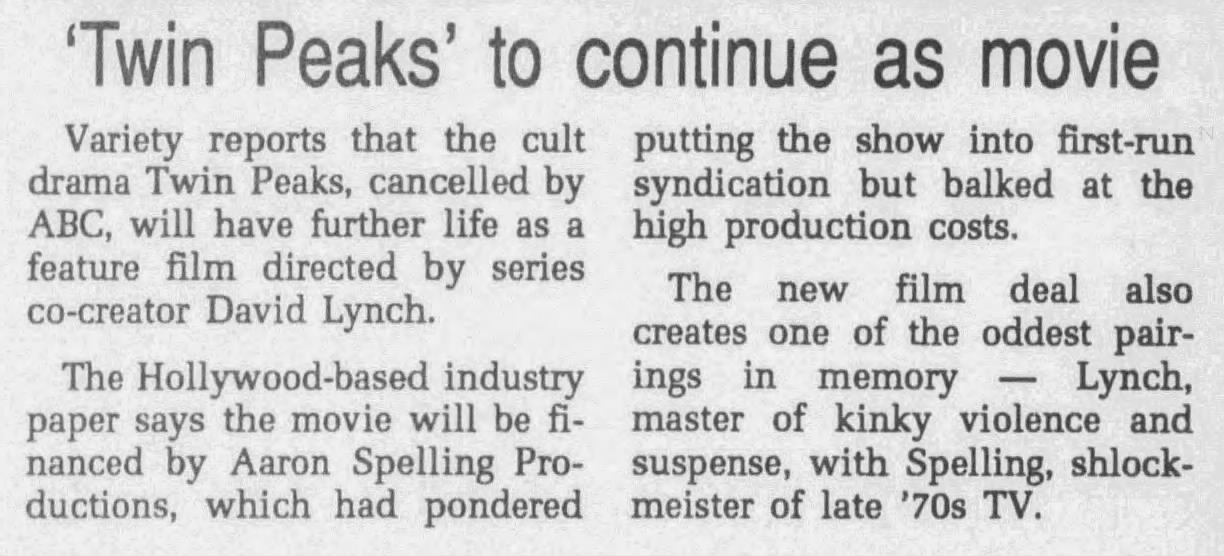
Truncated mentions about the “Twin Peaks movie” would appear in newspapers across the United States in the weeks that followed. In retrospect, it made sense to announce plans for the film prior to the second season finale. At the time, I’m sure the dream of a potential feature film was a salve to the stinging wound of the show being canceled by ABC.
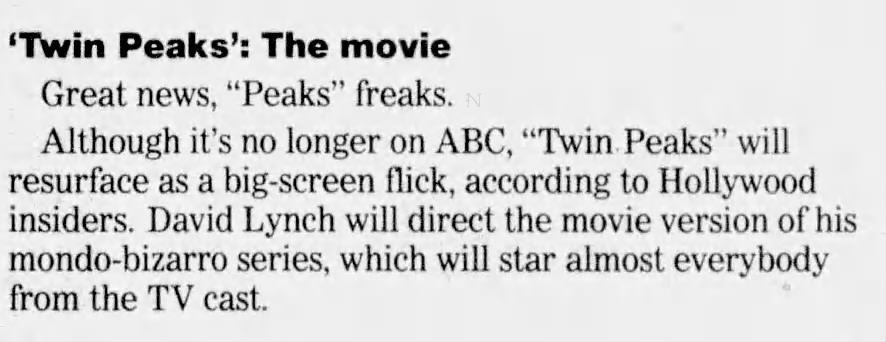
Early reports stated that Lynch’s film would “star almost everybody from the TV cast” as seen in this brief mention from June 4, 1991 edition of Grand Forks Herald.
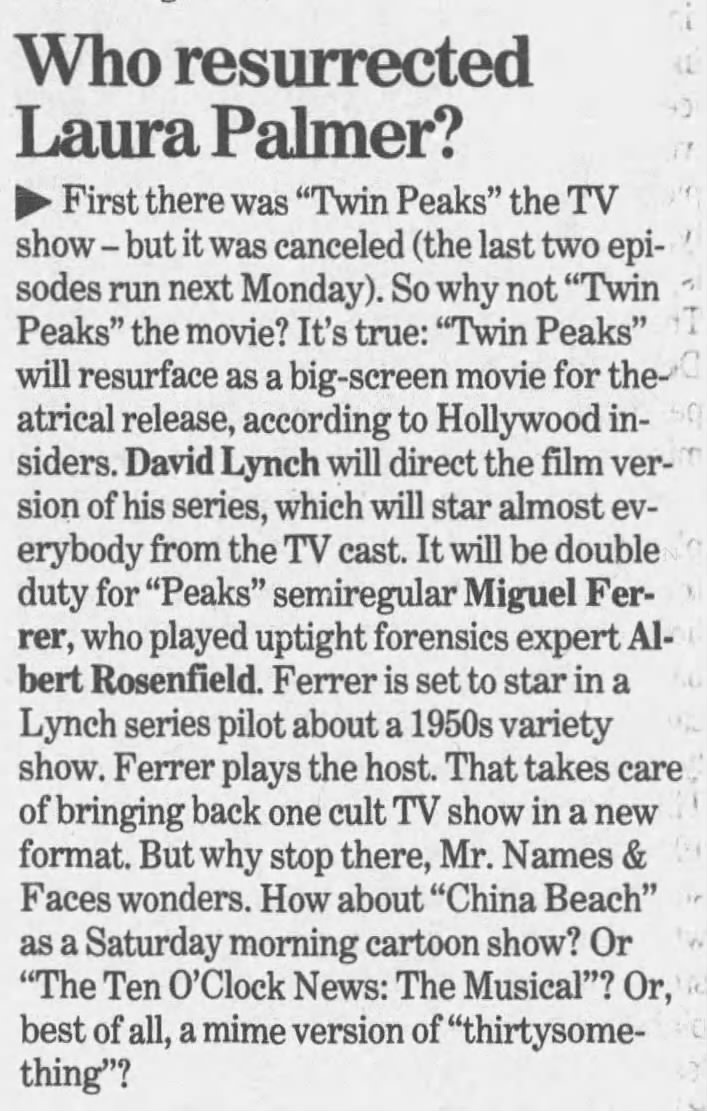
The Boston Globe also mentioned the potential feature from Lynch would star almost everyone from the cast according to Hollywood insiders. One wonders if press was being fed this information on background by Lynch-Frost Productions. It could mean that Engels and Lynch had written most of the script by early June which, at the time, did contain many of the show’s original cast.
Toward the end of June, one of the more fascinating article was published by television reporter Noel Holston for the Minneapolis-St. Paul Star Tribune. Snippets of this article which contained portions of an interview with series co-creator Mark Frost would later be syndicated in papers throughout July. This article is also foundational to the rumor that multiple Twin Peaks movies may have been made, something akin to Star Trek.
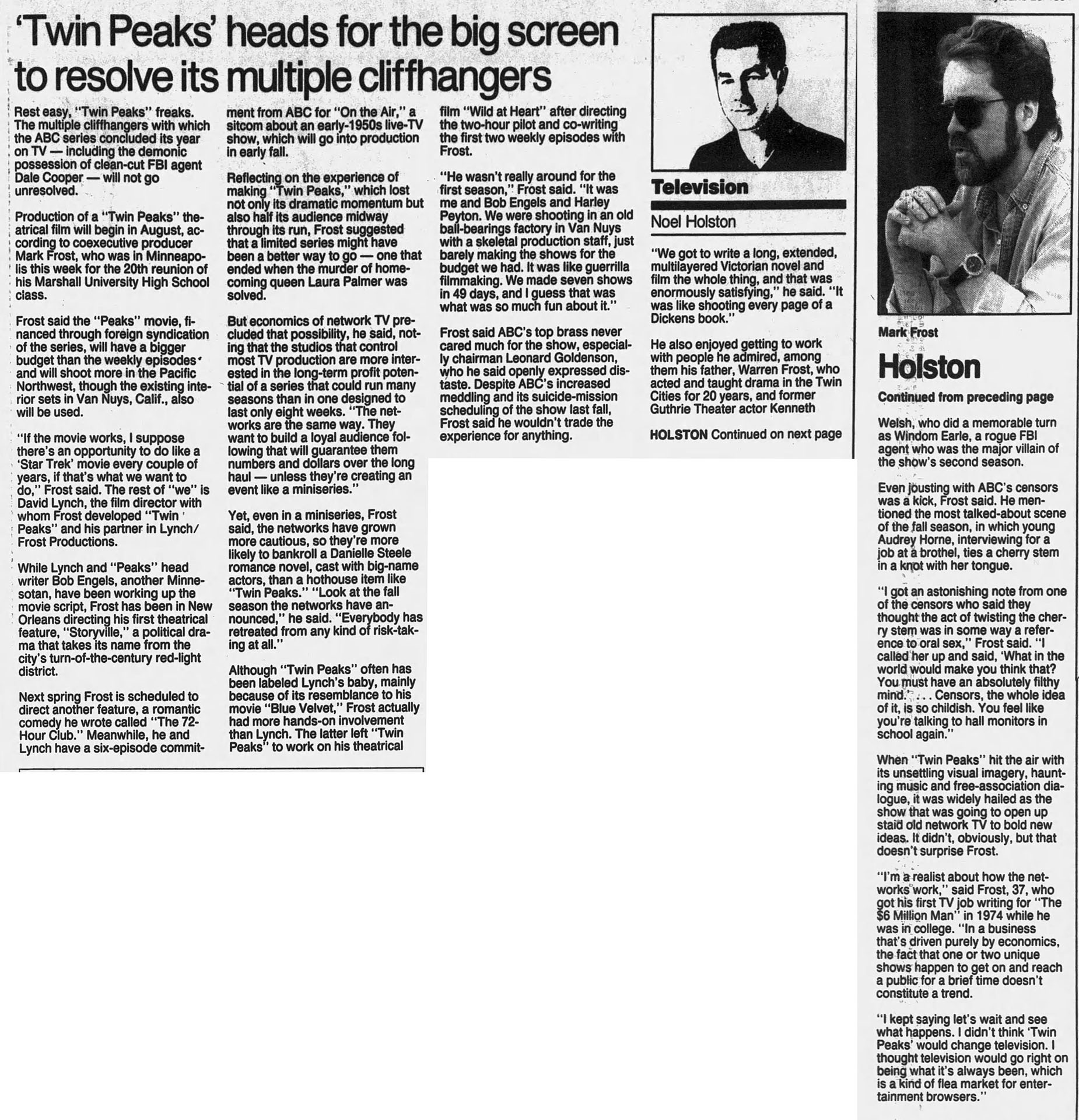
`Twin Peaks’ heads for the big screen to resolve its multiple cliffhangers
Rest easy, “Twin Peaks” freaks. The multiple cliffhangers with which the ABC series concluded its year on TV – including the demonic possession of clean-cut FBI agent Dale Cooper – will not go unresolved.
Production of a “Twin Peaks” theatrical film will begin in August, according to coexecutive producer Mark Frost, who was in Minneapolis this week for the 20th reunion of his Marshall University High School class.
Frost said the “Peaks” movie, financed through foreign syndication of the series, will have a bigger budget than the weekly episodes and will shoot more in the Pacific Northwest, though the existing interior sets in Van Nuys, Calif., also will be used.

“If the movie works, I suppose there’s an opportunity to do like a ‘Star Trek’ movie every couple of years, if that’s what we want to do,” Frost said. The rest of “we” is David Lynch, the film director with whom Frost developed “Twin Peaks” and his partner in Lynch/ Frost Productions.
While Lynch and “Peaks” head writer Bob Engels, another Minnesotan, have been working up the movie script, Frost has been in New Orleans directing his first theatrical feature, “Storyville,” a political drama that takes its name from the city’s turn-of-the-century red-light district.
Next spring Frost is scheduled to direct another feature, a romantic comedy he wrote called “The 72-Hour Club.” Meanwhile, he and Lynch have a six-episode commitment from ABC for “On the Air,” a sitcom about an early-1950s live-TV show, which will go into production in early fall. Reflecting on the experience of making “Twin Peaks,” which lost not only its dramatic momentum but also half its audience midway through its run, Frost suggested that a limited series might have been a better way to go – one that ended when the murder of homecoming queen Laura Palmer was solved.
But economics of network TV precluded that possibility, he said, noting that the studios that control most TV production are more interested in the long-term profit potential of a series that could run many seasons than in one designed to last only eight weeks. “The networks are the same way. They want to build a loyal audience following that will guarantee them numbers and dollars over the long haul – unless they’re creating an event like a miniseries.”
Yet, even in a miniseries, Frost said, the networks have grown more cautious, so they’re more likely to bankroll a Danielle Steele romance novel, cast with big-name actors, than a hothouse item like “Twin Peaks.” “Look at the fall season the networks have announced,” he said. “Everybody has retreated from any kind of risk-taking at all.”
Although “Twin Peaks” often has been labeled Lynch’s baby, mainly because of its resemblance to his movie “Blue Velvet,” Frost actually had more hands-on involvement than Lynch. The latter left “Twin Peaks” to work on his theatrical film “Wild at Heart” after directing the two-hour pilot and co-writing the first two weekly episodes with Frost.
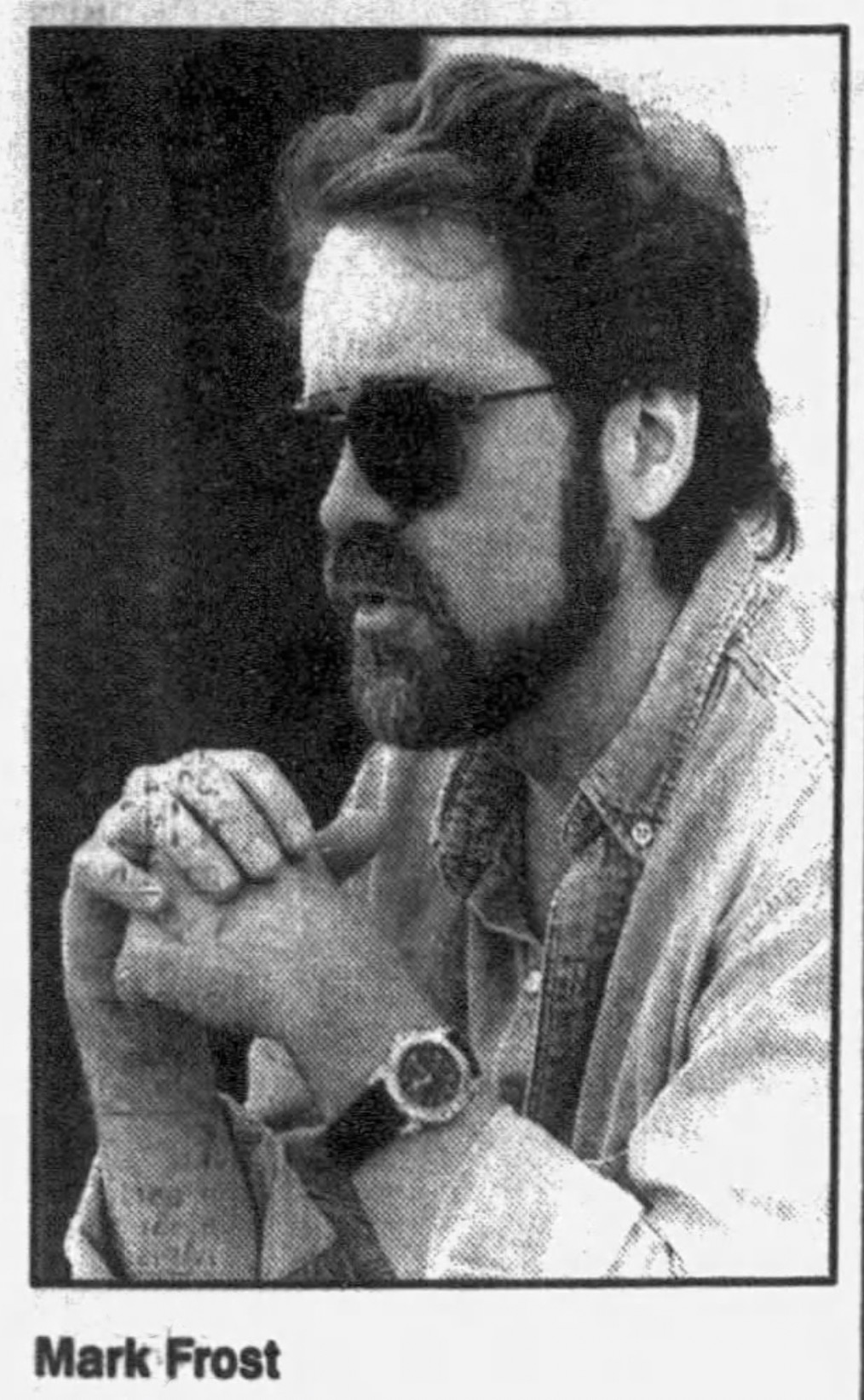
“He wasn’t really around for the first season,” Frost said. “It was me and Bob Engels and Harley Peyton. We were shooting in an old ball-bearings factory in Van Nuys with a skeletal production staff, just barely making the shows for the budget we had. It was like guerrilla filmmaking. We made seven shows in 49 days, and I guess that was what was so much fun about it.”
Frost said ABC’s top brass never cared much for the show, especially chairman Leonard Goldenson (ed. note – he was founder and former chairman of the board of the American Broadcasting Company, Inc.), who he said openly expressed distaste. Despite ABC’s increased meddling and its suicide-mission scheduling of the show last fall, Frost said he wouldn’t trade the experience for anything.
“We got to write a long, extended, multilayered Victorian novel and film the whole thing, and that was enormously satisfying,” he said. “It was like shooting every page of a Dickens book.”
He also enjoyed getting to work with people he admired, among them his father, Warren Frost, who acted and taught drama in the Twin Cities for 20 years, and former Guthrie Theater actor Kenneth Welsh, who did a memorable turn as Windom Earle, a rogue FBI agent who was the major villain of the show’s second season.

Even jousting with ABC’s censors was a kick, Frost said. He mentioned the most talked-about scene of the fall season, in which young Audrey Horne, interviewing for a job at a brothel, ties a cherry stem in a knot with her tongue. “I got an astonishing note from one of the censors who said they thought the act of twisting the cherry stem was in some way a reference to oral sex,” Frost said. “I called her up and said, ‘What in the world would make you think that? You must have an absolutely filthy mind.’ … Censors, the whole idea of it, is so childish. You feel like you’re talking to hall monitors in school again.”
When “Twin Peaks” hit the air with its unsettling visual imagery, haunt-ing music and free-association dialogue, it was widely hailed as the show that was going to open up staid old network TV to bold new ideas. It didn’t, obviously, but that doesn’t surprise Frost.
“I’m a realist about how the networks work,” said Frost, 37, who got his first TV job writing for “The $6 Million Man” in 1974 while he was in college. “In a business that’s driven purely by economics, the fact that one or two unique shows happen to get on and reach a public for a brief time doesn’t constitute a trend.
“I kept saying let’s wait and see what happens. I didn’t think ‘Twin Peaks’ would change television. I thought television would go right on being what it’s always been, which is a kind of flea market for entertainment browsers.”
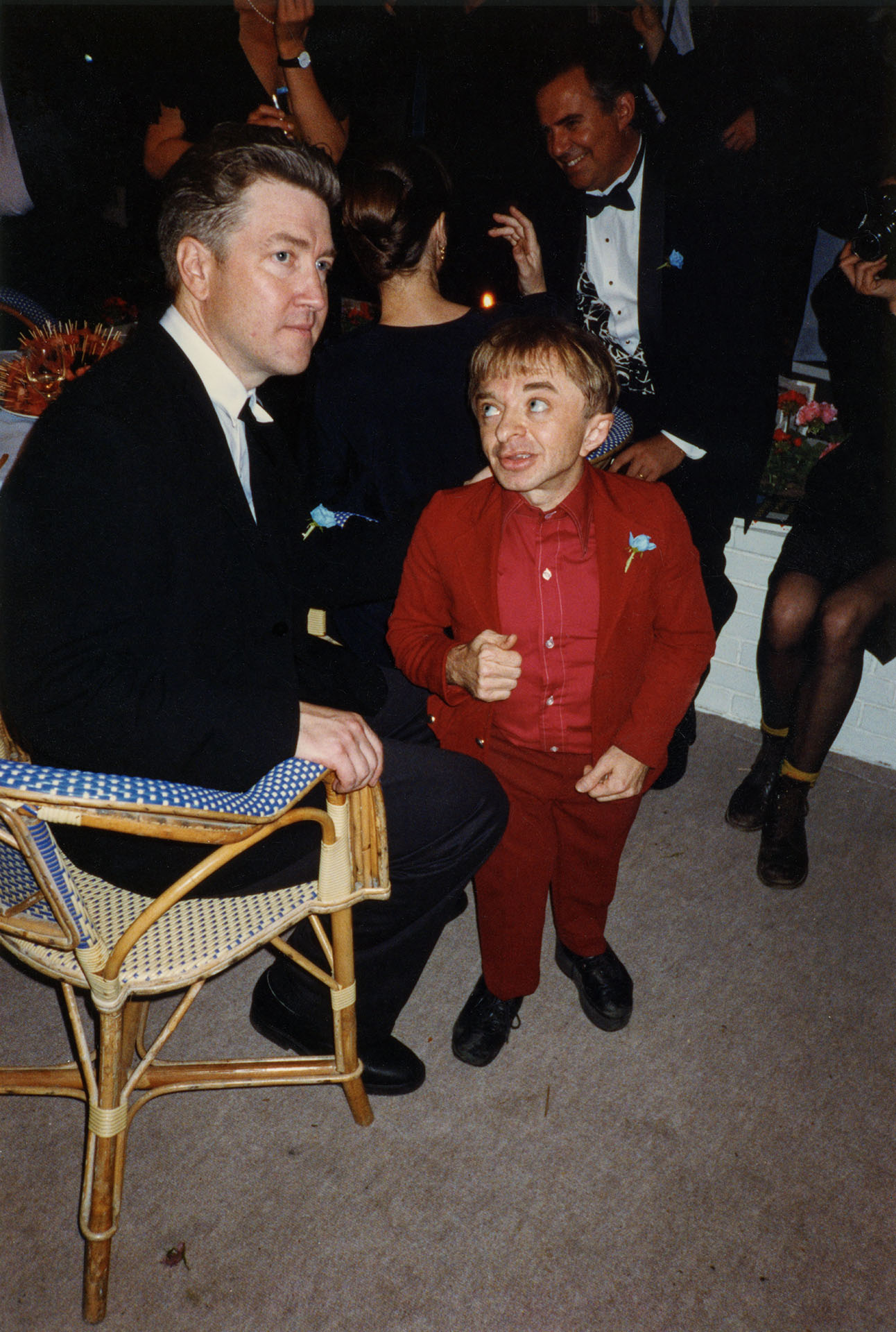
Bob Engels was supposedly on standby to write another script if the film had made money for New Line Cinema as reported by Jeff Strickler for the Minneapolis-St. Paul Star Tribune in August 1992.
New Line, the studio that made the “Twin Peaks” movie, is hoping that it will become another “Star Trek,” a cult TV series that finds a whole new life as Roman-numeraled movie sequels. Engels has been put on standby to write another script.
“If it makes money, there probably will be a sequel,” he said. “We don’t have any control over it We’re in the most mercenary of situations.”
While we didn’t get a direct feature film sequel to Twin Peaks: Fire Walk With Me, we did get the most amazing 18 hours of television found in Twin Peaks: The Return 25 years later. For that, I’m forever grateful!
Author
Discover more from TWIN PEAKS BLOG
Subscribe to get the latest posts sent to your email.