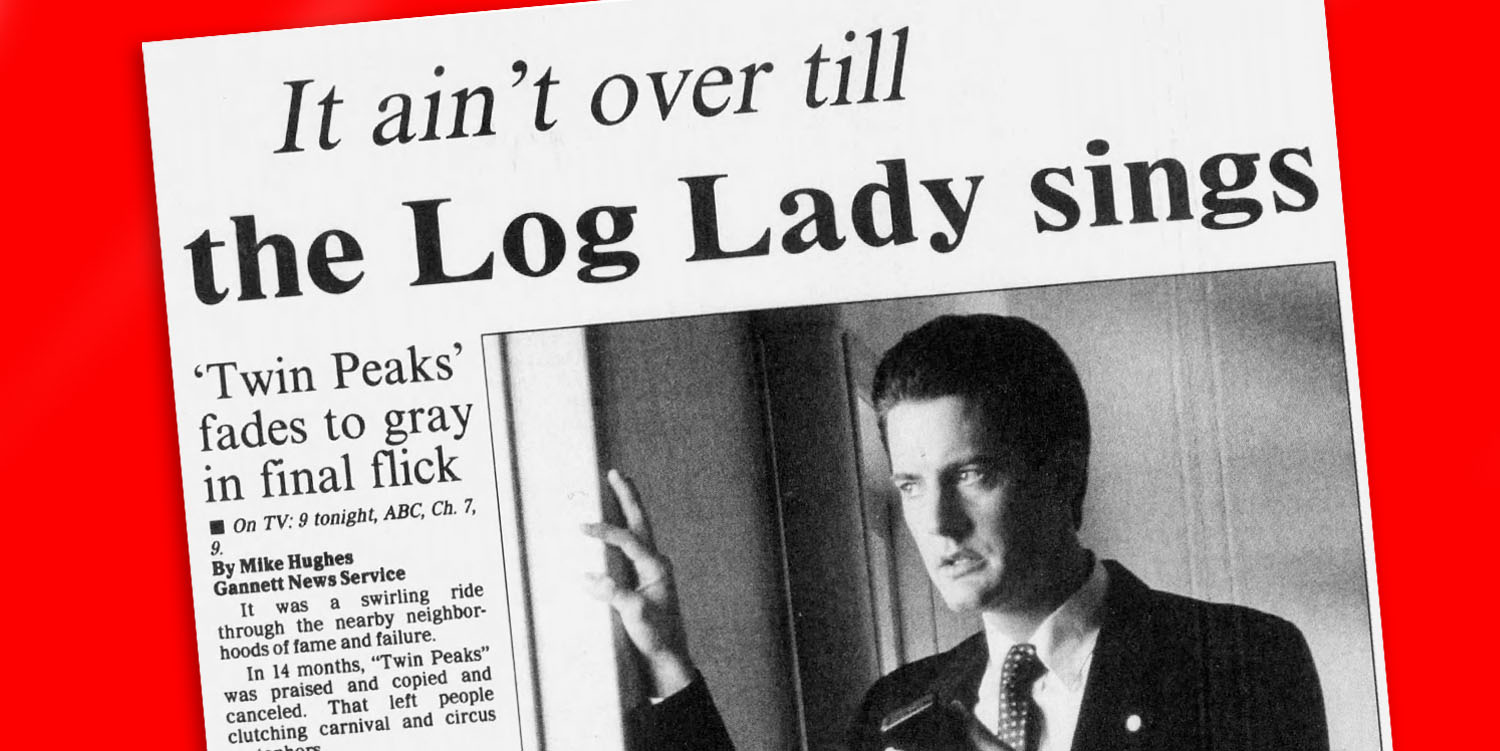
On June 10, 1991, the ABC Television Network aired the final two episodes of Mark Frost and David Lynch’s groundbreaking series, Twin Peaks. Episode 2.021 (#28) and 2.022 (#29) were shown back-to-back during an ABC Monday Night Movie event. There were plenty of commentary from reporters about the ending of the series that once took viewers by surprise when it blazed onto television screens on April 1990. Reporter Mike Hughes’ syndicated article for Gannet News Service caught my eye as it was filled with quotes from cast and crew. I also particularly liked the headline that ran in Florida Today, “It ain’t over till the Log Lady sings.”
WHO IS MIKE HUGHES?
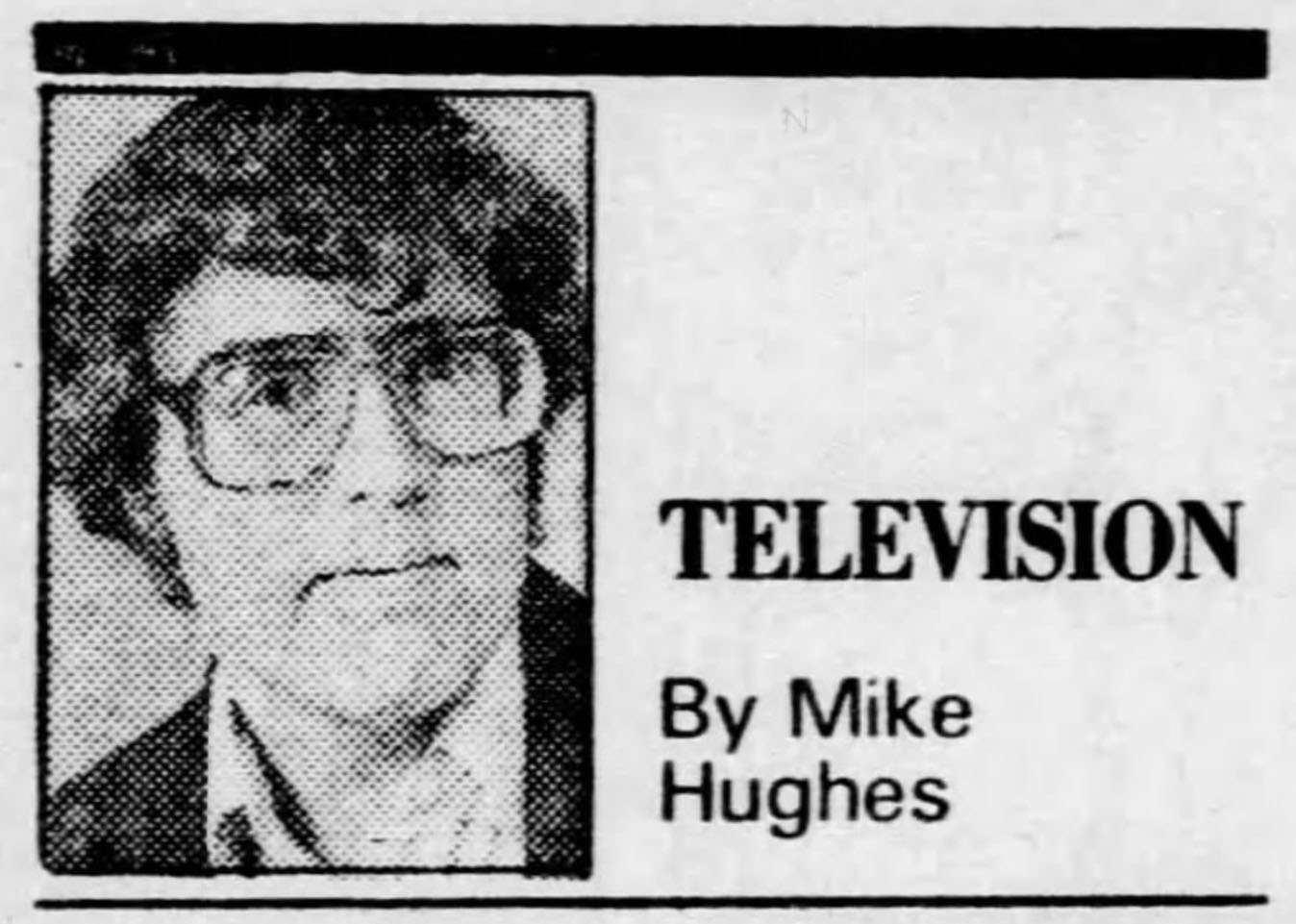
Reporter Mike Hughes attended his first Television Critics Association session in 1982 where he was impressed by shows like Cheers and Family Ties. He joined Gannett News Service a few years later and covered television for 22 years. Gannett stories were syndicated to 100 papers with a four-million circulation, so his stories were seen by many across the United States. After his career at the news service, he joined TV America for about 10 years. Since 2019, he’s run his own website – Mike Hughes On TV: What’s On and What’s Worth Watching.
“IT AIN’T OVER TILL THE LOG LADY SINGS” ON JUNE 10, 1991
Some of my favorite things to find while researching Twin Peaks are articles from around the time the show aired. Memories are more clear as the work was relatively new then. Hughes article is full of some great nuggets as the final two episodes of the second season aired.
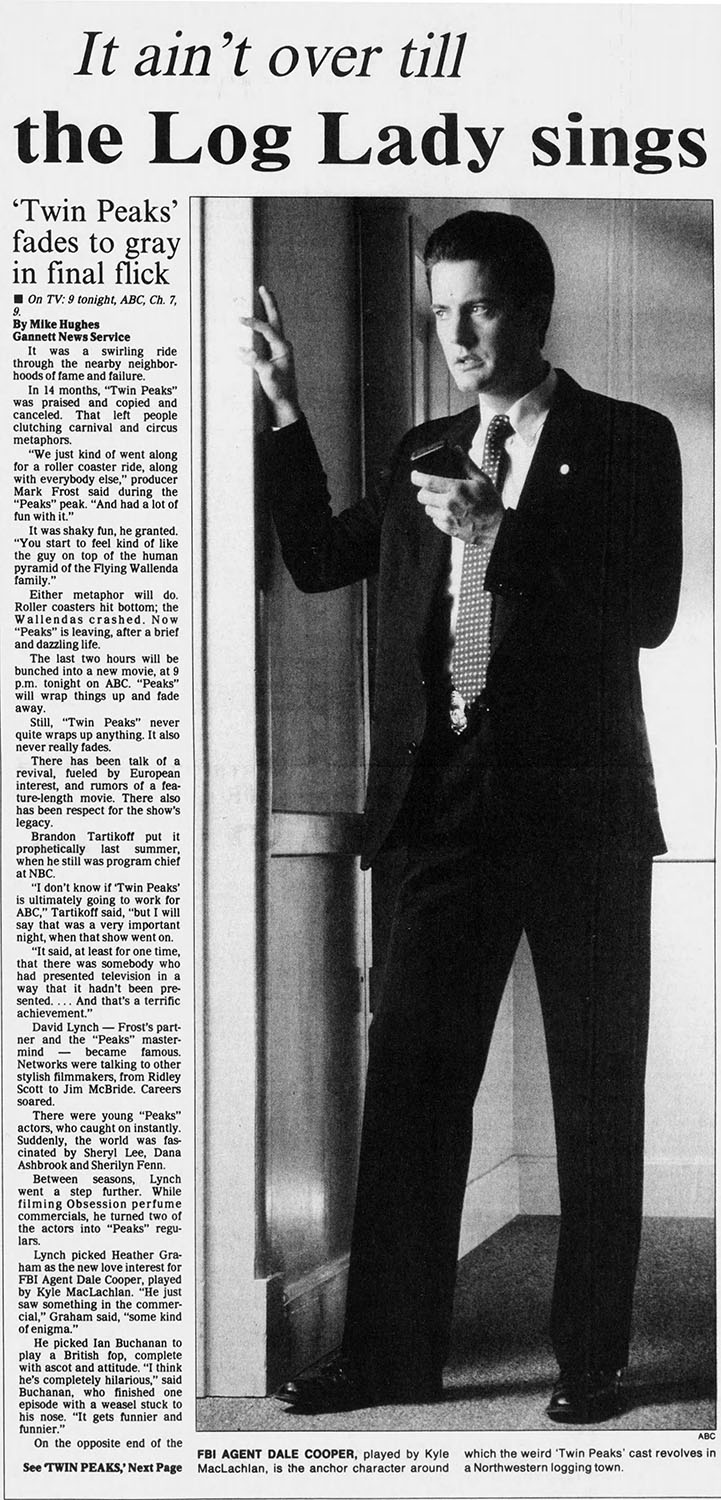
It ain’t over till the Log Lady sings
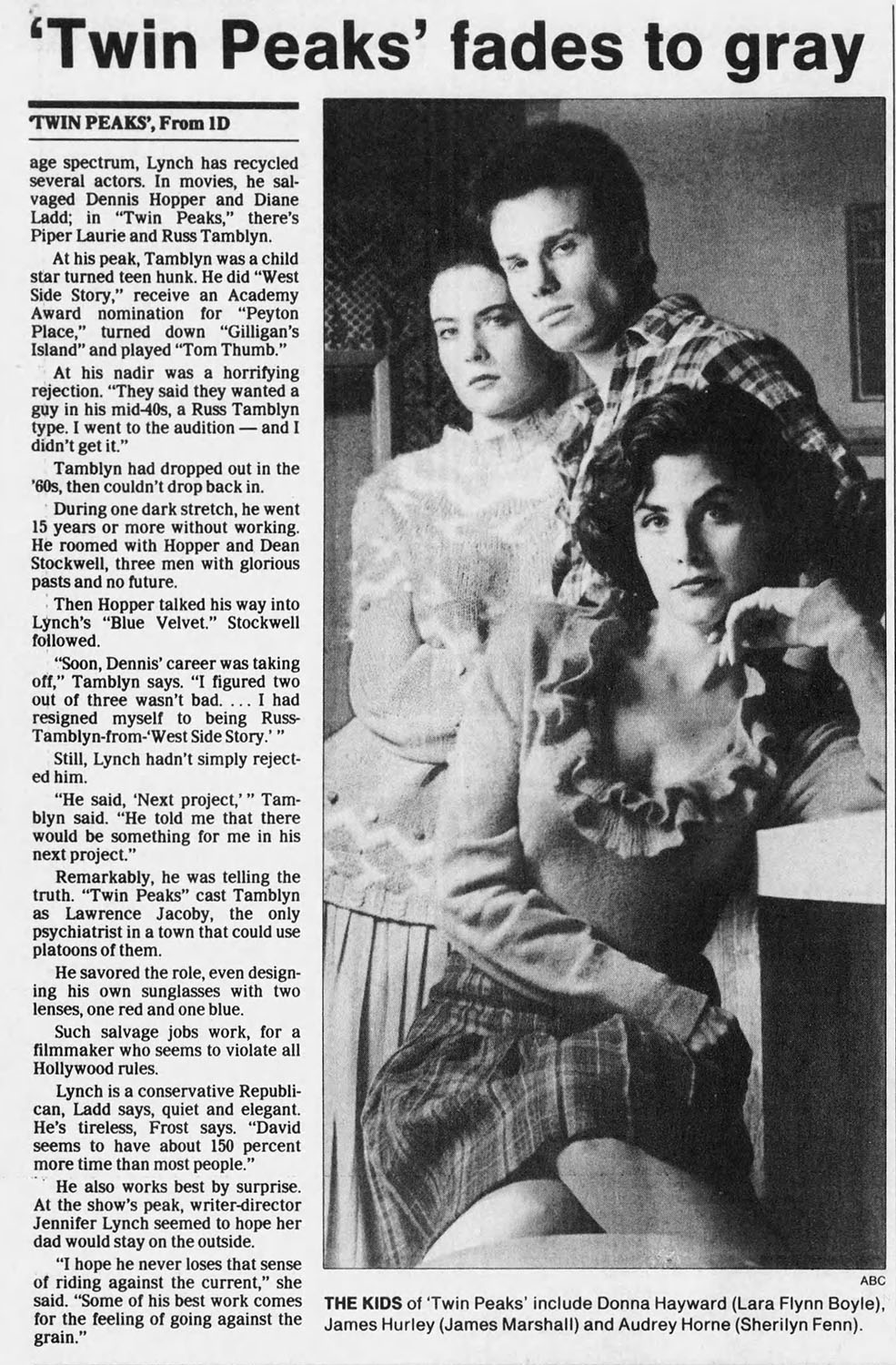
`Twin Peaks’ fades to gray in final flick
It was a swirling ride through the nearby neighbor-hoods of fame and failure.
In 14 months, “Twin Peaks” was praised and copied and canceled. That left people clutching carnival and circus metaphors.
“We just kind of went along for a roller coaster ride, along with everybody else,” producer Mark Frost said during the “Peaks” peak. “And had a lot of fun with it.”
It was shaky fun, he granted. “You start to feel kind of like the guy on top of the human pyramid of the Flying Wallenda family.
Either metaphor will do. Roller coasters hit bottom; the Wallendas crashed. Now “Peaks” is leaving, after a brief and dazzling life.
The last two hours will be bunched into a new movie, at 9 p.m. tonight on ABC. “Peaks” will wrap things up and fade away.
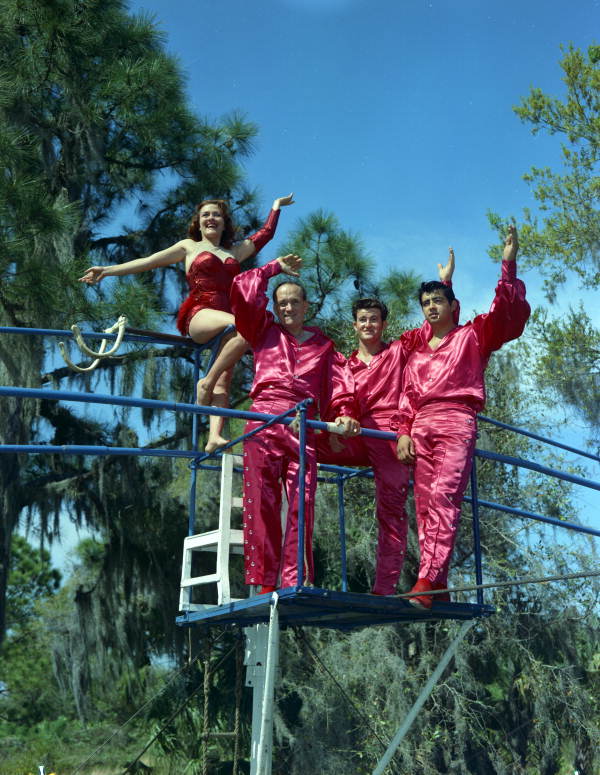
The Flying Wallendas is a circus act and group of daredevil stunt performers who perform highwire acts without a safety net. In 1929, they were known as The Great Wallendas, but their current name was coined by the press as early as 1933 and has stayed the same since.
Still, “Twin Peaks” never quite wraps up anything. It also never really fades.
There has been talk of a revival, fueled by European interest, and rumors of a feature-length movie. There also has been respect for the show’s legacy.
Brandon Tartikoff put it prophetically last summer, when he still was program chief at NBC. “I don’t know if ‘Twin Peaks’ is ultimately going to work for ABC,” Tartikoff said, “but I will say that was a very important night, when that show went on.
“It said, at least for one time, that there was somebody who had presented television in a way that it hadn’t been presented. … And that’s a terrific achievement.”
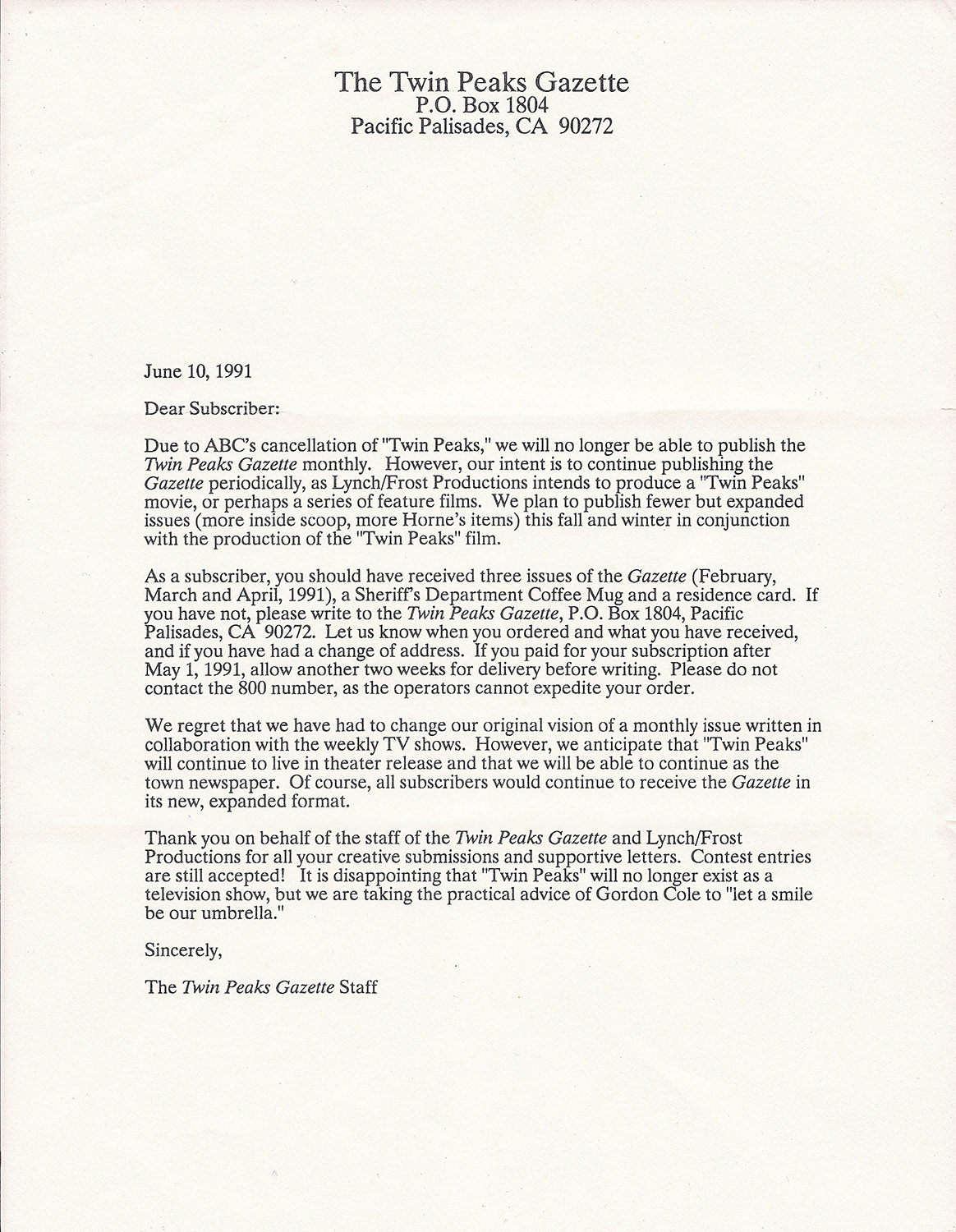
It’s interesting to note the mention of a feature-length movie. It may have been a nod to a letter sent by short-lived The Twin Peaks Gazette on June 10, 1991. In the letter, staff mentioned they planned to publish more papers “this fall and winter in conjunction with the production of the ‘Twin Peaks’ film.”
The final episodes were filmed in early March 1991. By July 1, 1991, the movie was officially confirmed by Mark Frost who said, the “Peaks” movie, financed through foreign syndication of the series, will have a bigger budget than the weekly episodes and will shoot more in the Pacific Northwest, though the existing sets in Van Nuys, Calif., also will be used (‘Twin Peaks’ film in the works, Minn.-St. Paul Star Tribune, July 1, 1990).
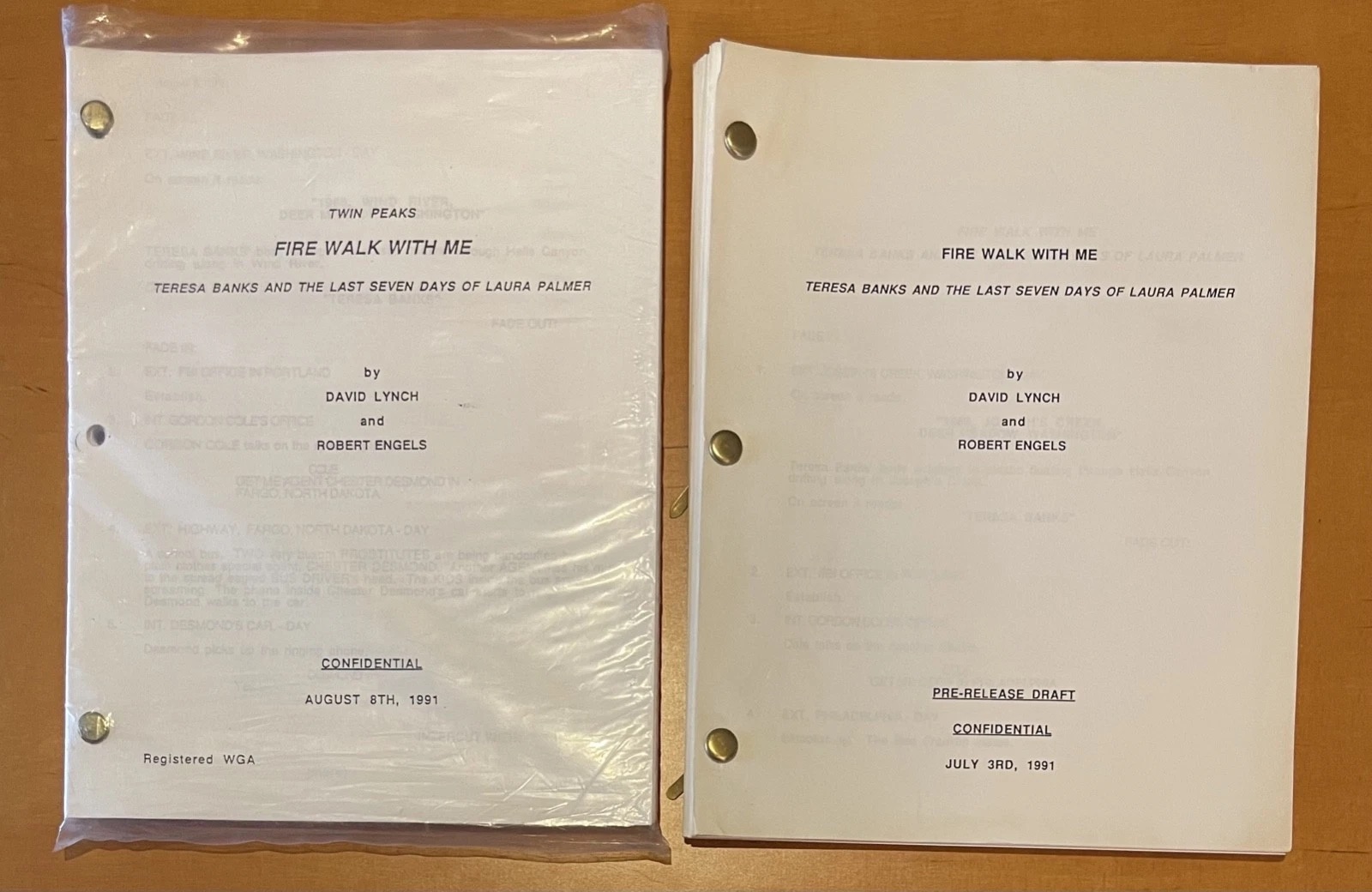
David Lynch and Robert “Bob” Engels completed their pre-release draft of Fire Walk With Me: Teresa Banks and the Last Seven Days of Laura Palmer on July 3, less than a month after the second season finale aired. This means they were most likely writing the script at some point between March to June.
Back to Hughes’ article.
David Lynch – Frost’s partner and the “Peaks” master-mind – became famous. Networks were talking to other stylish filmmakers, from Ridley Scott to Jim McBride. Careers soared.
There were young “Peaks” actors, who caught on instantly. Suddenly, the world was fascinated by Sheryl Lee, Dana Ashbrook and Sherilyn Fenn.
Between seasons, Lynch went a step further. While filming Obsession perfume commercials, he turned two of the actors into “Peaks” regulars. Lynch picked Heather Graham as the new love interest for FBI Agent Dale Cooper, played by Kyle MacLachlan.
“He just saw something in the commercial,” Graham said, “some kind of enigma.”

He picked Ian Buchanan to play a British fop, complete with ascot and attitude. “I think he’s completely hilarious,” said Buchanan, who finished one episode with a weasel stuck to his nose. “It gets funnier and funnier.”
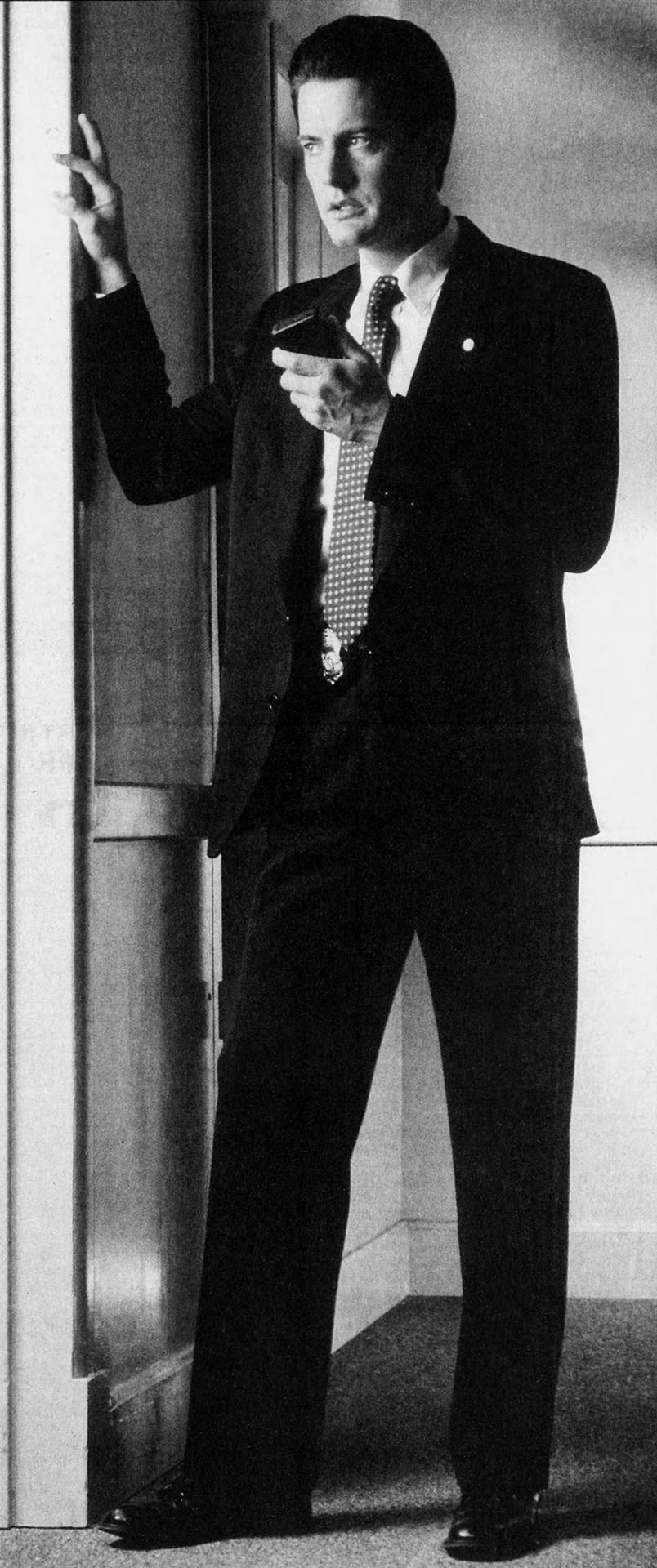
FBI AGENT DALE COOPER, played by Kyle MacLachlan, is the anchor character in which the weird ‘Twin Peaks’ cast revolves around a Northwestern logging town.
Hughes articles continued on the next page.
On the opposite end of the age spectrum, Lynch has recycled several actors. In movies, he salvaged Dennis Hopper and Diane Ladd; in “Twin Peaks,” there’s Piper Laurie and Russ Tamblyn.
At his peak, Tamblyn was a child star turned teen hunk. He did “West Side Story,” receive an Academy Award nomination for “Peyton Place,” turned down “Gilligan’s Island” and played “Tom Thumb.”
At his nadir was a horrifying rejection. “They said they wanted a guy in his mid-40s, a Russ Tamblyn type. I went to the audition – and I didn’t get it.”
Tamblyn had dropped out in the ’60s, then couldn’t drop back in. During one dark stretch, he went 15 years or more without working. He roomed with Hopper and Dean Stockwell, three men with glorious pasts and no future.
Then Hopper talked his way into Lynch’s “Blue Velvet.” Stockwell followed.
“Soon, Dennis’ career was taking off,” Tamblyn says. “I figured two out of three wasn’t bad. . I had resigned myself to being Russ-Tamblyn-from-‘West Side Story.'” Still, Lynch hadn’t simply rejected him.
“He said, ‘Next project,'” Tamblyn said. “He told me that there would be something for me in his next project.”

Remarkably, he was telling the truth. “Twin Peaks” cast Tamblyn as Lawrence Jacoby, the only psychiatrist in a town that could use platoons of them.
He savored the role, even designing his own sunglasses with two lenses, one red and one blue.
Such salvage jobs work, for a filmmaker who seems to violate all Hollywood rules.
Lynch is a conservative Republican, Ladd says, quiet and elegant. He’s tireless, Frost says. “David seems to have about 150 percent more time than most people.”
He also works best by surprise. At the show’s peak, writer-director Jennifer Lynch seemed to hope her dad would stay on the outside.
“I hope he never loses that sense of riding against the current,” she said. “Some of his best work comes for the feeling of going against the grain.”
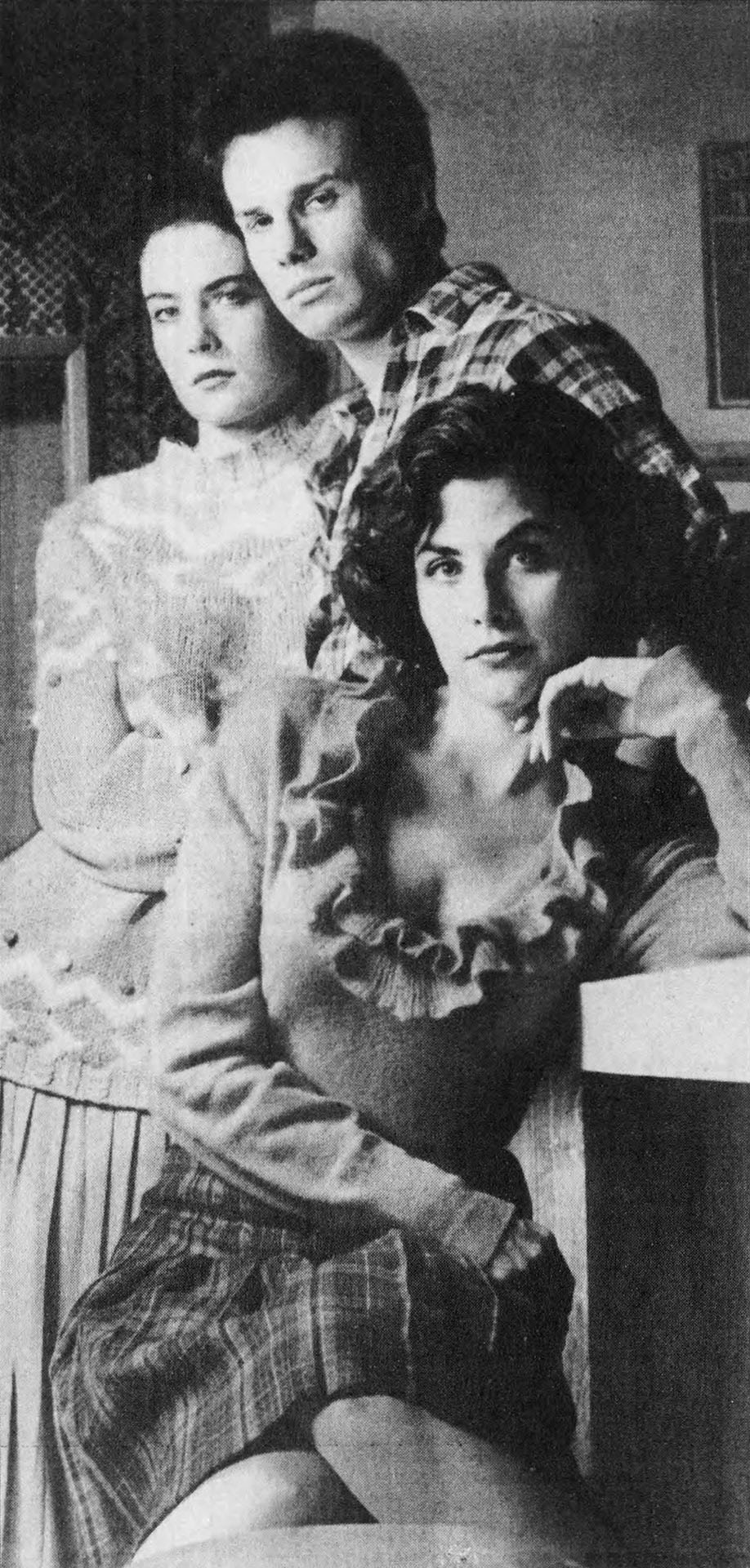
THE KIDS of ‘Twin Peaks’ include Donna Hayward (Lara Flynn Boyle), James Hurley (James Marshall) and Audrey Horne (Sherilyn Fenn).
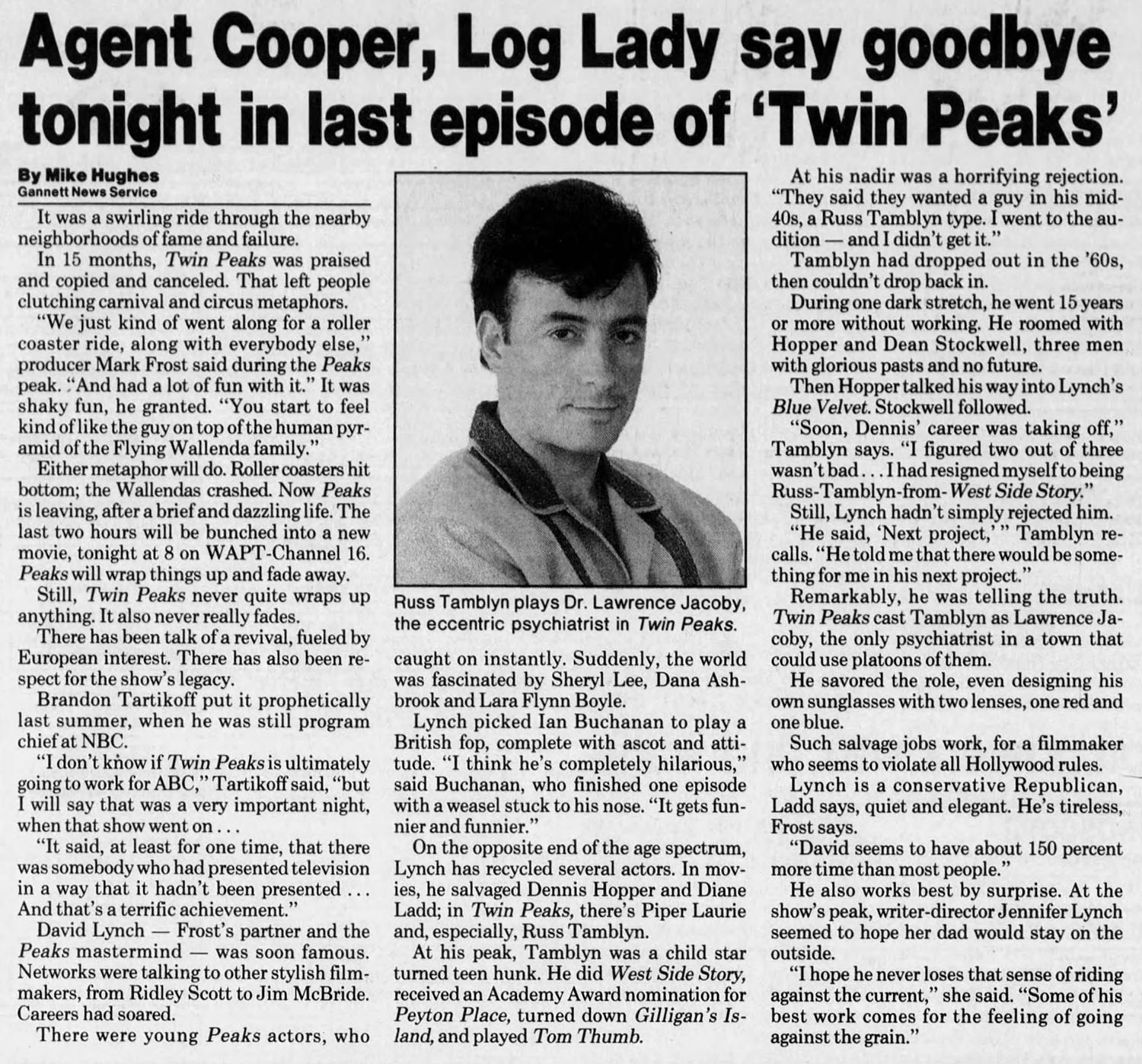
The Clarion Ledger also ran Hughes’ story on June 10 with the headline, “Agent Cooper, Log Lady say goodbye tonight in last episode of ‘Twin Peaks.'” It’s mostly the same as the Florida Today article except the paper used a photo of Ray Sharkey, not Russ Tamblyn. Sharkey was staring as Sal, the head of the Bavasso family, in the forgotten half-hour comedy series, The Man in The Family, which aired on Wednesday, June 19, 1991 on ABC Television.
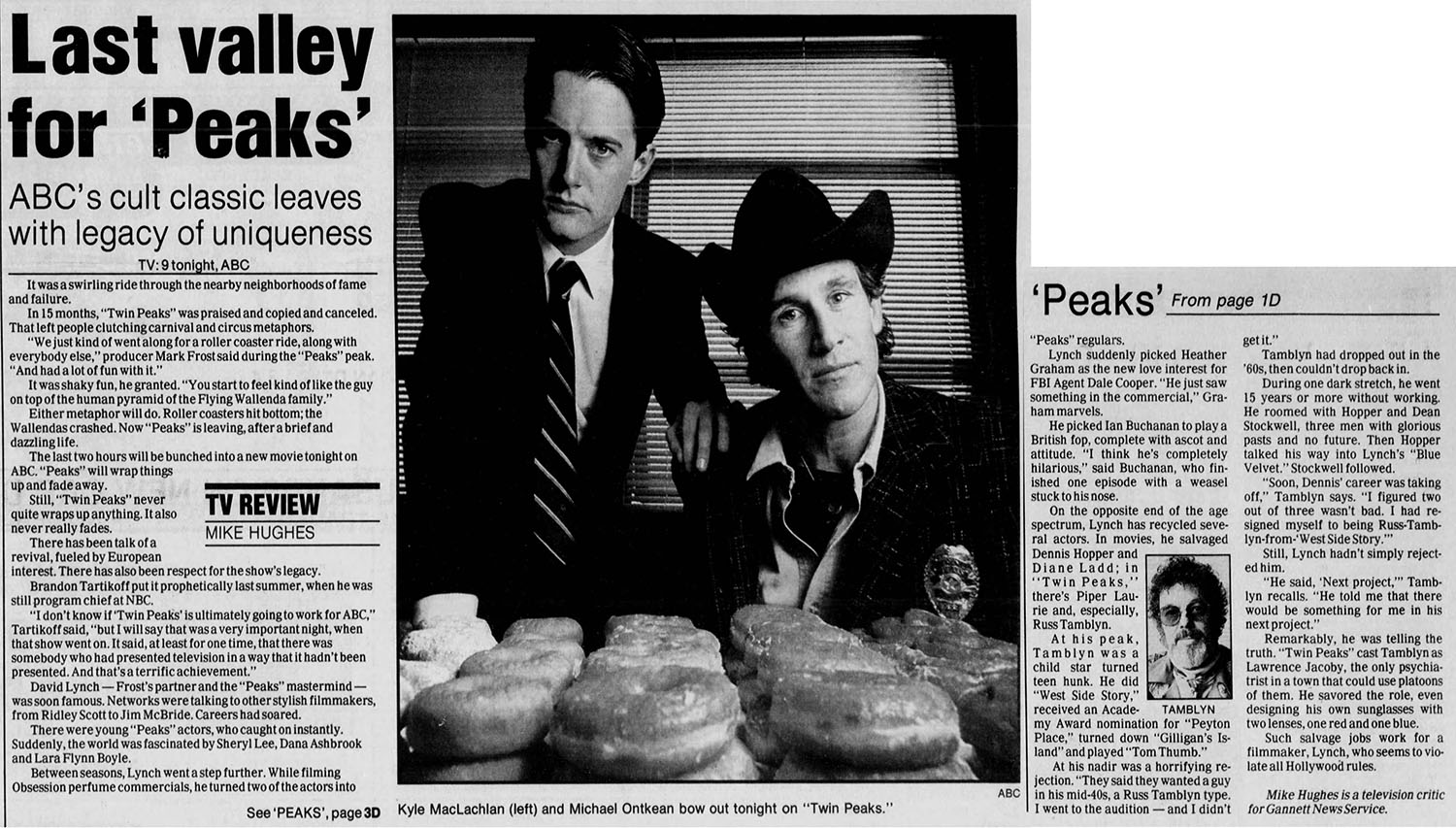
Yet another paper, News Press, also ran the story though the ending was truncated compared to the Florida Today article. It’s headline was a play on “Twin Peaks” – Last valley for ‘Peaks.” Syndicated stories often got cut based on available space in the paper.
Looking back, it’s difficult to believe there was a time when Twin Peaks fans thought June 10, 1991 was it – the final hoorah for Lynch and Frost’s wonderful and strange world. Hughes’ observation – “Still, ‘Twin Peaks’ never quite wraps up anything. It also never really fades. – is even more poignant more than three and a half decades later.
Author

Discover more from TWIN PEAKS BLOG
Subscribe to get the latest posts sent to your email.