
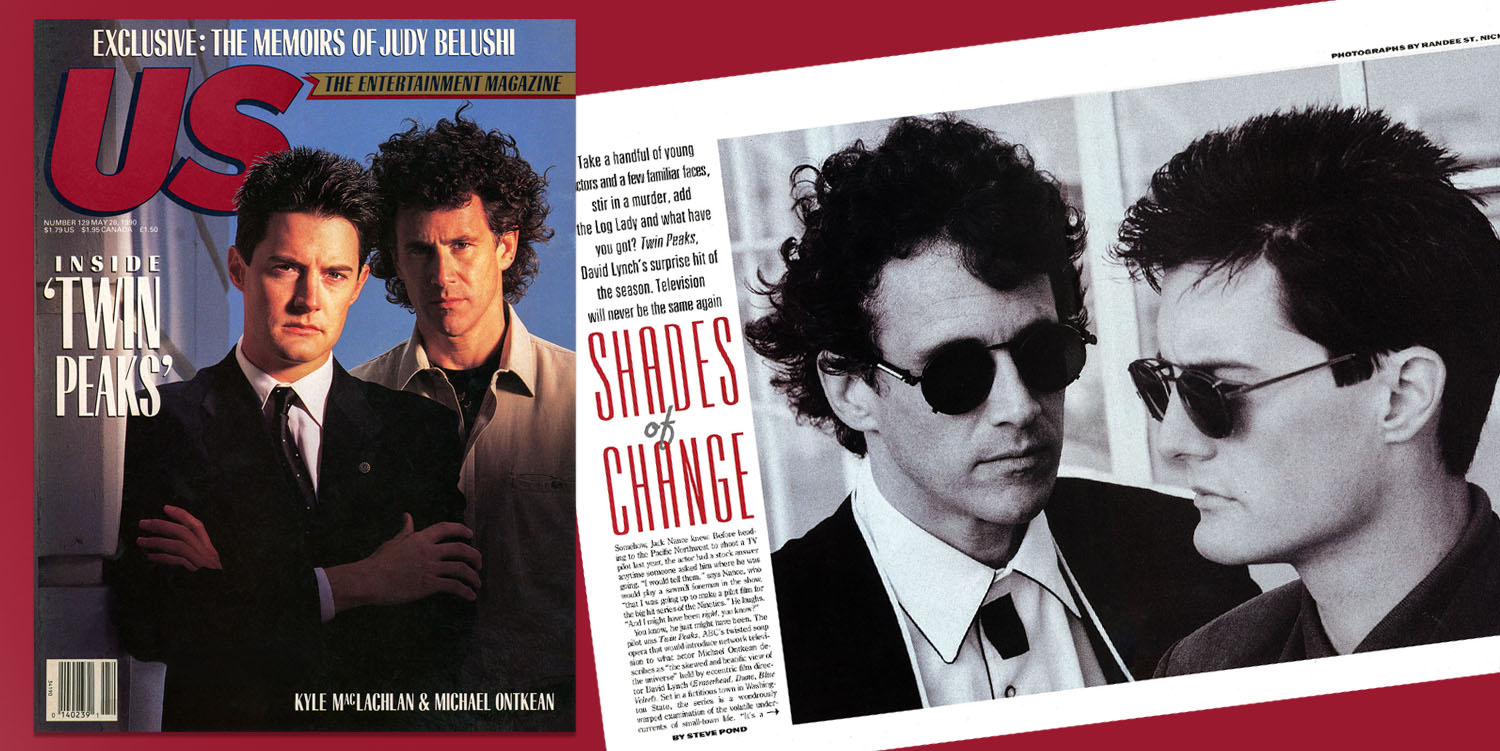
When Mark Frost and David Lynch’s Twin Peaks first aired between April and May 1990, it was one of the most talked about shows of the year. Countless stories were published in newspapers and magazines as viewing audiences wondered, “Who killed Laura Palmer?” On May 28, 1990, US magazine dedicated several pages to the show just a few days after the first season finale aired. With Kyle MacLachlan and Michael Ontkean on the cover, Steve Pond offered readers a look inside the show.
WHAT IS ‘US’ MAGAZINE?
First published in 1977 by The New York Times Company, US magazine was a bi-weekly publication covering topics ranging from celebrity relationships to the latest trends in fashion, beauty, and entertainment. After three years of loses, Peter J. Callahan’s Macfadden Group acquired US in 1980. Six years later, it was sold again to Straight Arrow Publishers, Inc., now known as Wenner Media LLC. This company also published Rolling Stone and Men’s Journal.
By 1990, Jann S. Wenner was serving as the magazine’s editor-in-chief with Helene F. Rubinstein acting as Managing Editor. A year later, the magazine moved from a bi-weekly to monthly publication.
In 2000, the magazine was renamed Us Weekly. It was sold again to American Media Inc. in 2017 and continues operating today as a physical magazine and online.
‘US’ MAGAZINE ON MAY 28, 1990 | COVER
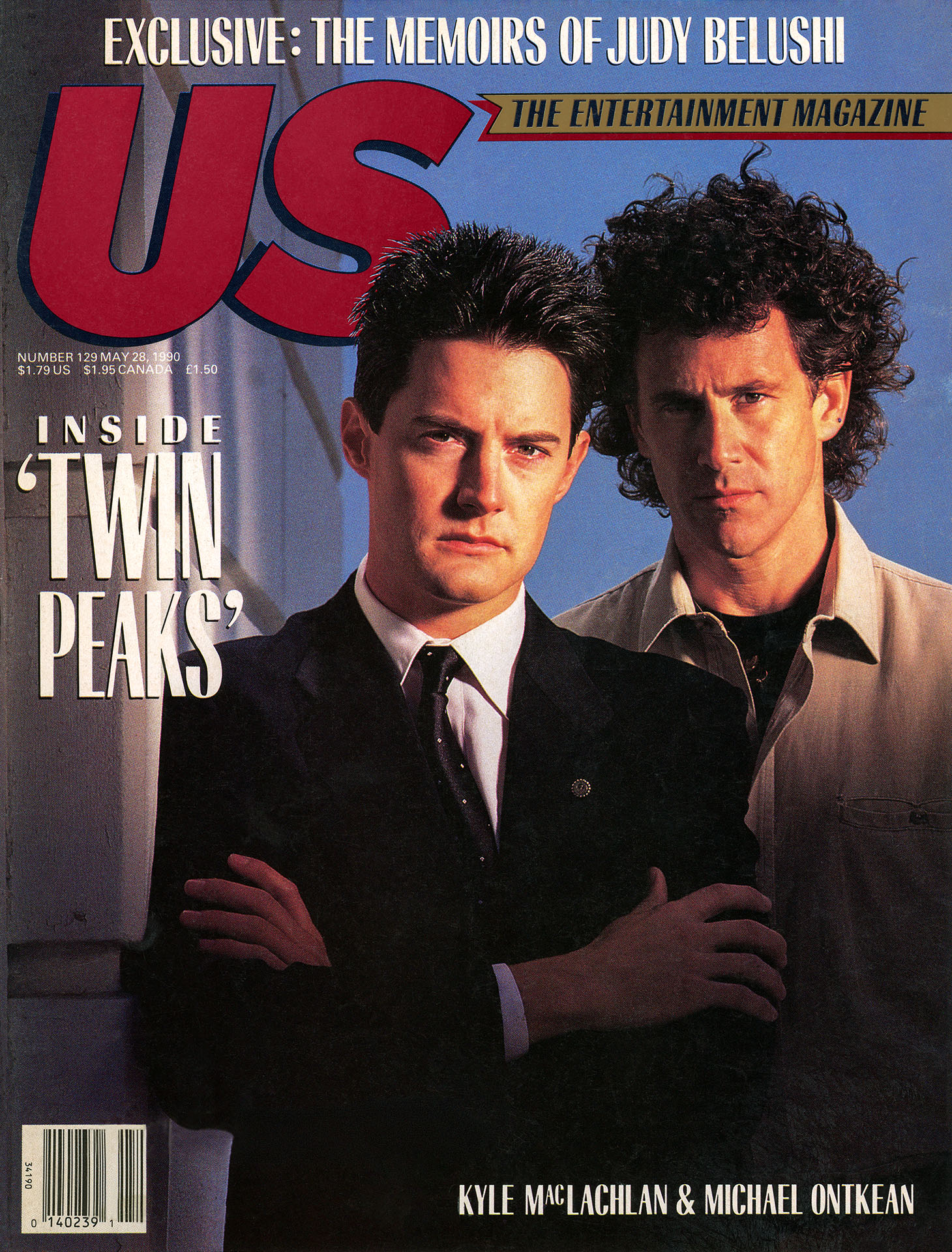
The cover of the May 28, 1990 issue of US features a photograph of Kyle MacLachlan and Michael Ontkean taken by legendary Prince photographer Randee St. Nicholas. They are wearing costumes from the show designed by Sarah Markowitz. The stylist for this shoot was Deborah Waknin from George Newell, Inc. Groomers were Lucienne Zammit Cloutier and Lizabeth Williamson who also worked on the Twin Peaks pilot. The assistant stylist was Erin Flannegan.
One interesting tidbit is Ontkean’s belt and t-shirt were provided by Emporio Armani, N.Y. I guess Josie Packard’s expensive tastes wore off on her beau.
‘US’ MAGAZINE ON MAY 28, 1990 | TABLE OF CONTENTS
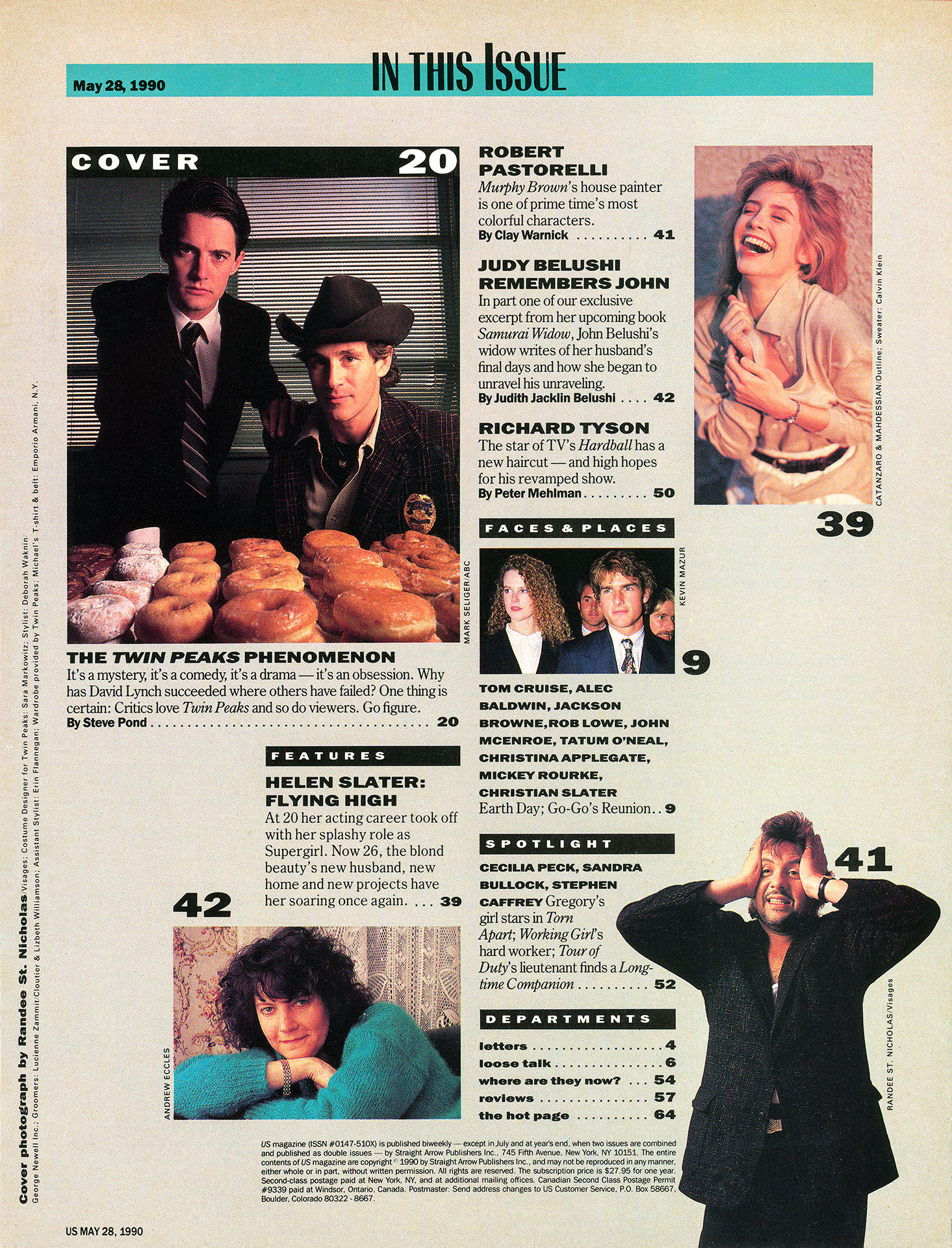
The Table of Contents provided a sneak preview of Steve Pond’s Twin Peaks article on page 20.
According to his bio on The Wrap, Pond spent decades “writing about film, television, music and the entertainment industry for the Los Angeles Times, Washington Post, Rolling Stone, Premiere, New York Times, Playboy and many other publications.” He published the L.A. Times bestseller “The Big Show,” a behind-the-scenes look at the Academy Awards based on 15 years of unprecedented access to that show. Today, he serves as The Wrap’s Executive Editor and has been writing about awards coverage on the site since 2009.
Additional reporting for this story was done by the late Mark Schwed. He was an American television critic, journalist and actor who worked for The Palm Beach Post for 11 years and also as a critic for the Los Angeles Herald Examiner.
Most likely, Pond wrote his interview at some point toward the end of April or beginning of May. It would have taken a few weeks for the magazine to be designed, edited and printed for thier May 28 release.
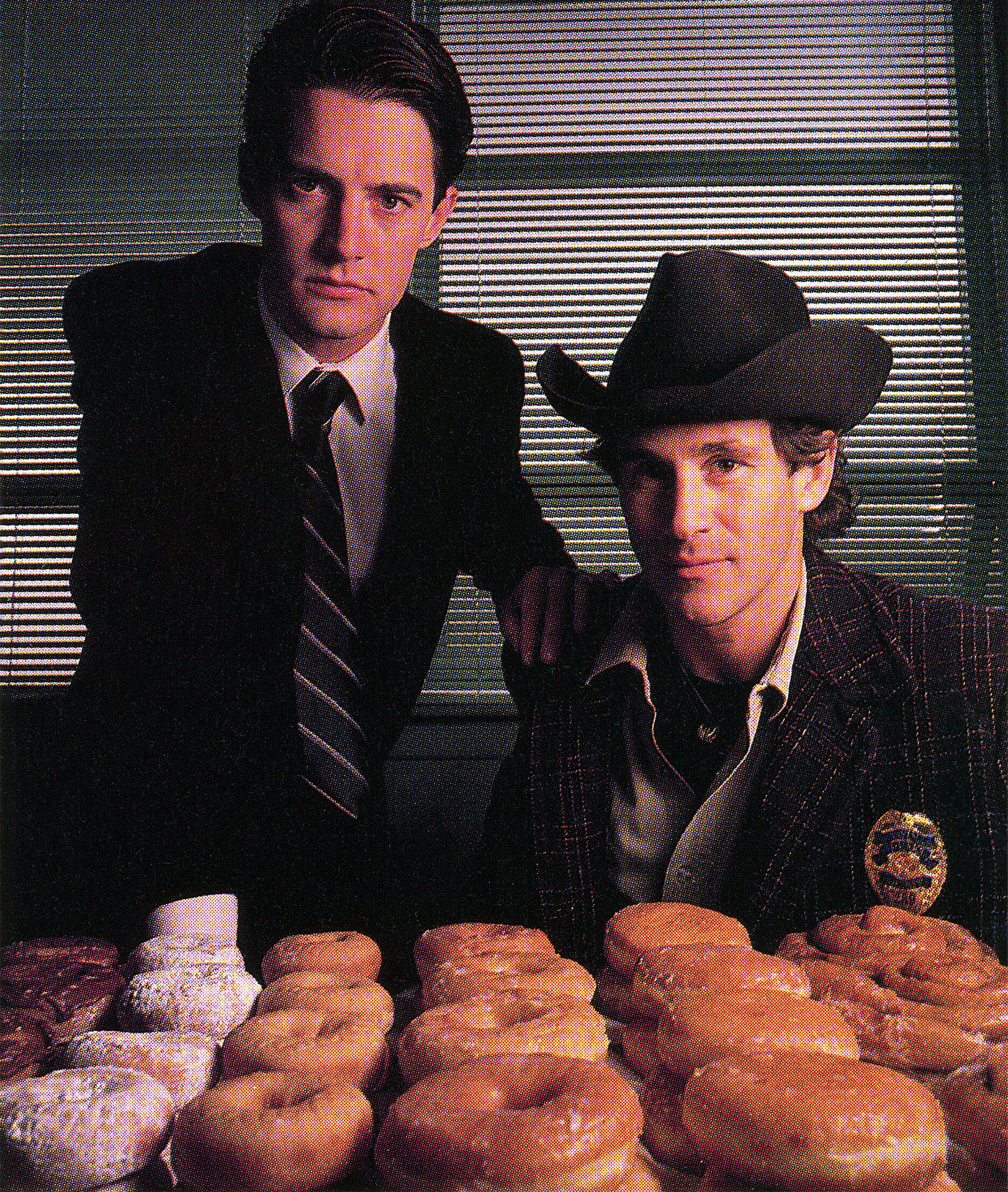
The publicity photo of Special Agent Dale Cooper and Michael Ontkean was taken by ABC Television photographer Mark Seliger. The article preview reads:
THE TWIN PEAKS PHENOMENON
It’s a mystery, it’s a comedy, it’s a drama-it’s an obsession. Why has David Lynch succeeded where others have failed? One thing is certain: Critics love Twin Peaks and so do viewers. Go figure.
‘US’ MAGAZINE ON MAY 28, 1990 | PAGES 20-21 – SHADES OF CHANGE
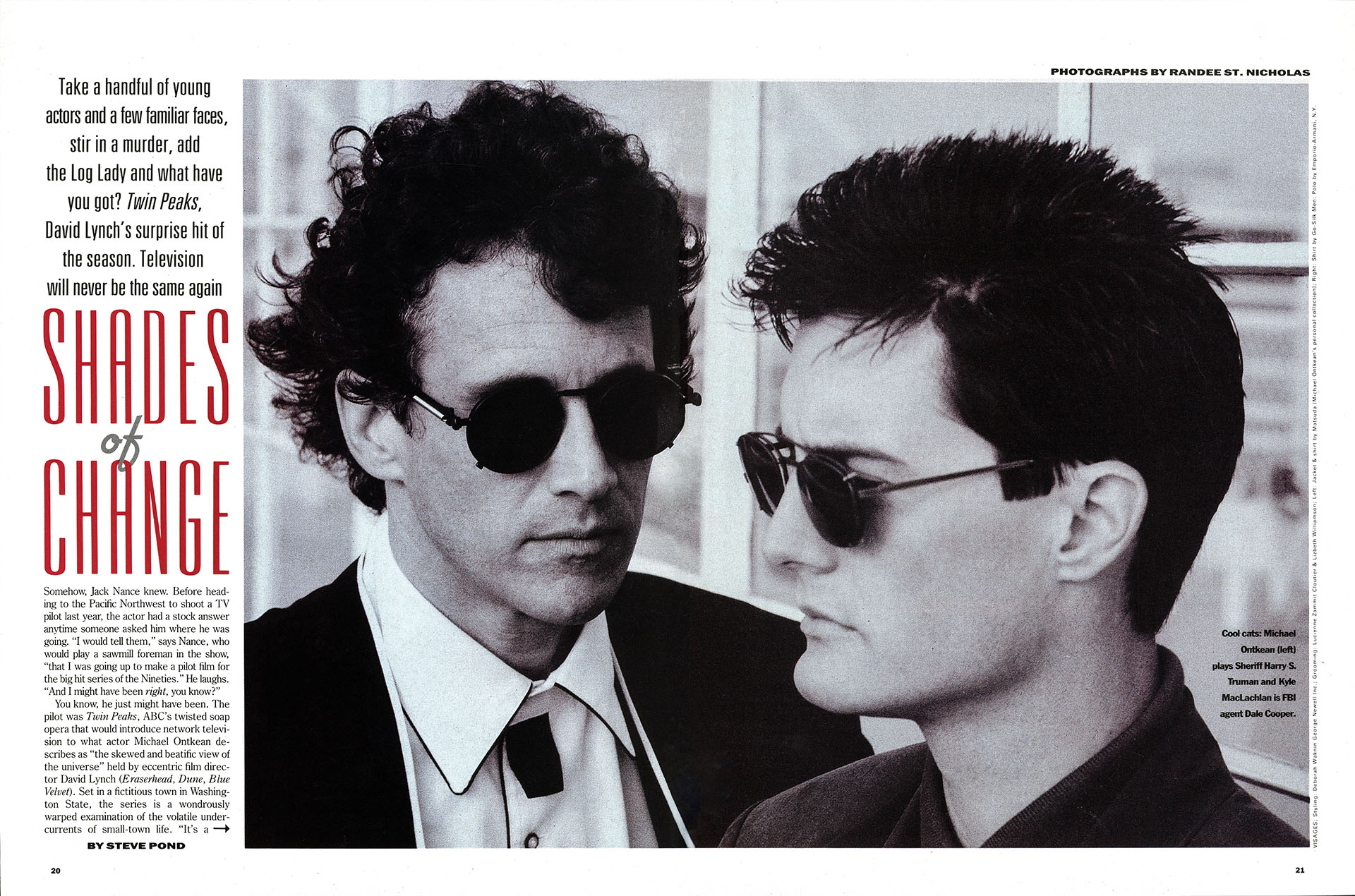
Pond’s article titled “Shades of Change” begins on pages 20-21.
Take a handful of young actors and a few familiar faces, stir in a murder, add the Log Lady and what have you got? Twin Peaks, David Lynch’s surprise hit of the season. Television will never be the same again.
Somehow, Jack Nance knew. Before heading to the Pacific Northwest to shoot a TV pilot last year, the actor had a stock answer anytime someone asked him where he was going. “I would tell them,” says Nance, who would play a sawmill foreman in the show, “that I was going up to make a pilot film for the big hit series of the Nineties. “He laughs. “And I might have been right, you know?”
You know, he just might have been. The pilot was Twin Peaks, ABC’s twisted soap opera that would introduce network television to what actor Michael Ontkean describes as “the skewed and beatific view of the universe” held by eccentric film director David Lynch (Eraserhead, Dune, Blue Velvet). Set in a fictitious town in Washington State, the series is a wondrously warped examination of the volatile under-currents of small-town life.
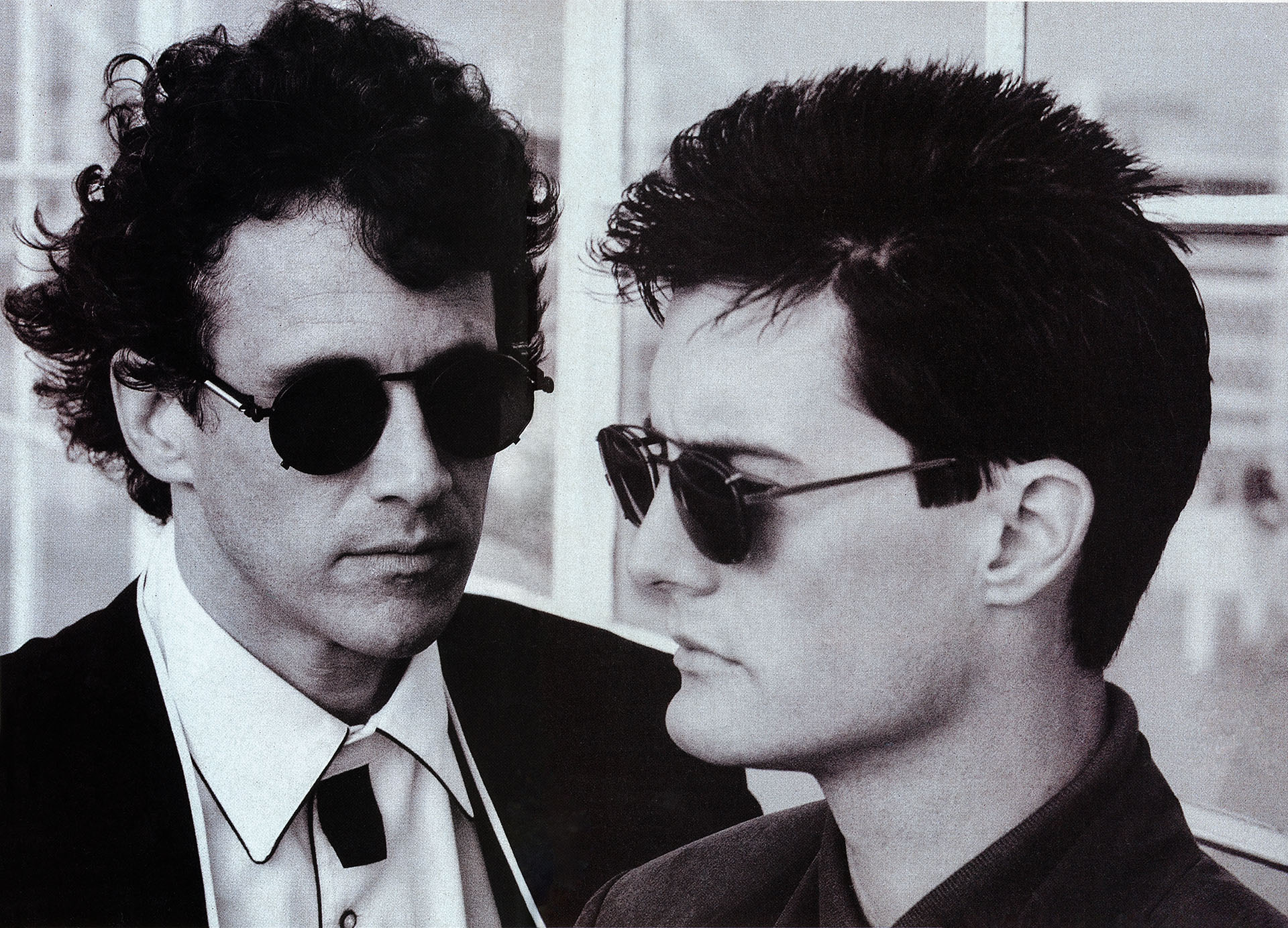
A fantastic 1990s photo of Ontkean and MacLachlan wearing sunglasses accompanies Pond’s article. Randee St. Nicholas took the image. She is an acclaimed photographer, designer, and director based in Los Angeles, California. Today, she is known worldwide for her collaborations with musicians and actors including Prince, Brittany Spears Diana Ross, and Christina Aguilera. Examples of her notable and iconic work are found both on her Instagram account and website.
Deborah Waknin from George Newell, Inc. provided styling for the photo. Lucienne Zammit Cloutier and Lizabeth Williamson served again as groomers. Michael wore items from his own closet, a shirt and jacket by Matsuda. Kyle’s shirt was by Go-Silk Men. Polo by Emporio-Armani of New York.
‘US’ MAGAZINE ON MAY 28, 1990 | PAGE 22
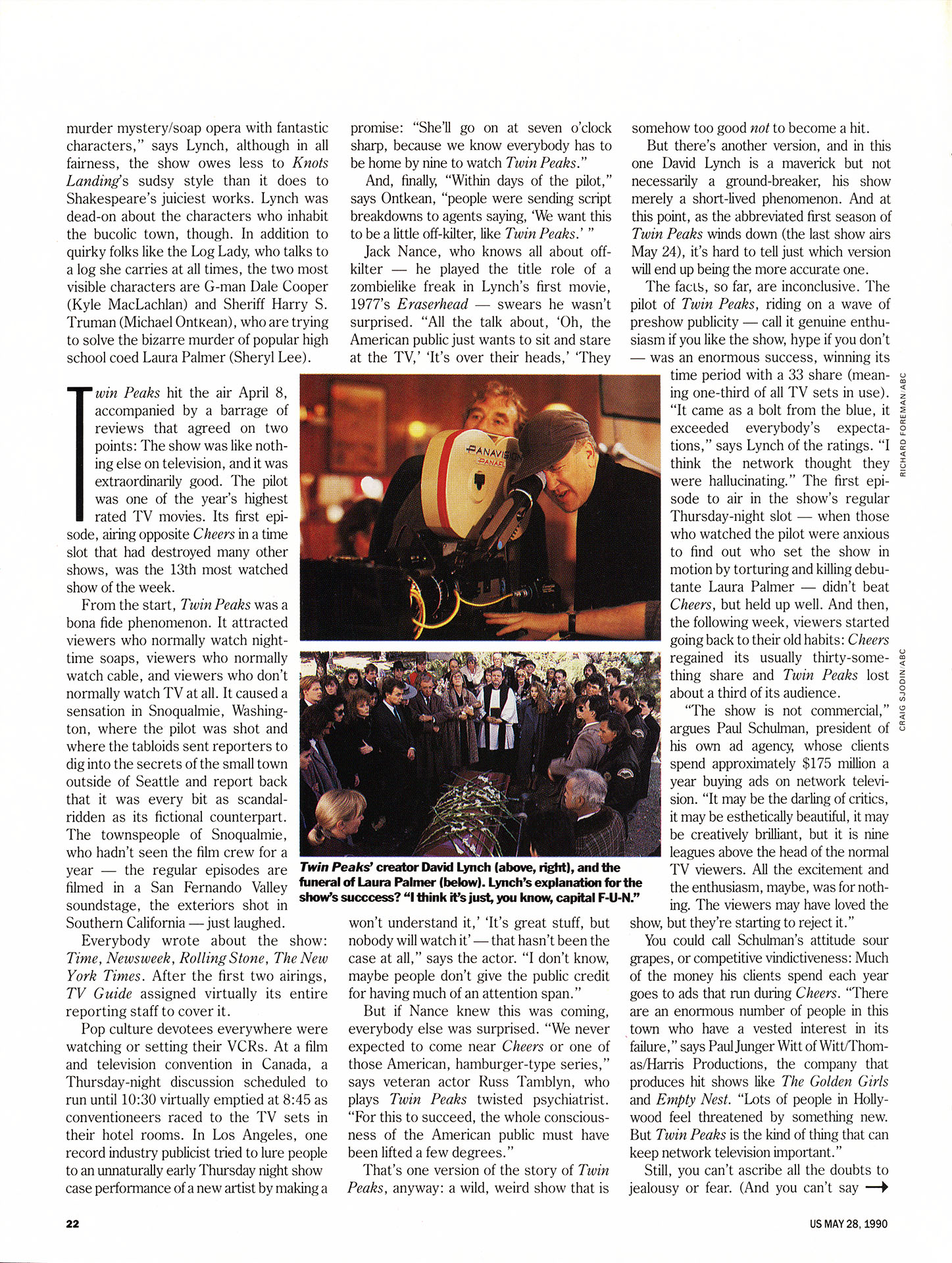
Steve Pond’s article continued on page 22.
“It’s a murder mystery/soap opera with fantastic characters,” says Lynch, although in all fairness, the show owes less to Knots Landing‘s sudsy style than it does to Shakespeare’s juiciest works. Lynch was dead-on about the characters who inhabit the bucolic town, though. In addition to quirky folks like the Log Lady, who talks to a log she carries at all times, the two most visible characters are G-man Dale Cooper (Kyle MacLachlan) and Sheriff Harry S. Truman (Michael Ontkean), who are trying to solve the bizarre murder of popular high school coed Laura Palmer (Sheryl Lee).
Twin Peaks hit the air April 8, accompanied by a barrage of reviews that agreed on two points: The show was like nothing else on television, and it was extraordinarily good. The pilot was one of the year’s highest rated TV movies. Its first episode, airing opposite Cheers in a time slot that had destroyed many other shows, was the 13th most watched show of the week.
From the start, Twin Peaks was a bona fide phenomenon. It attracted viewers who normally watch nighttime soaps, viewers who normally watch cable, and viewers who don’t normally watch TV at all. It caused a sensation in Snoqualmie, Washing-ton, where the pilot was shot and where the tabloids sent reporters to dig into the secrets of the small town outside of Seattle and report back that it was every bit as scandal-ridden as its fictional counterpart.
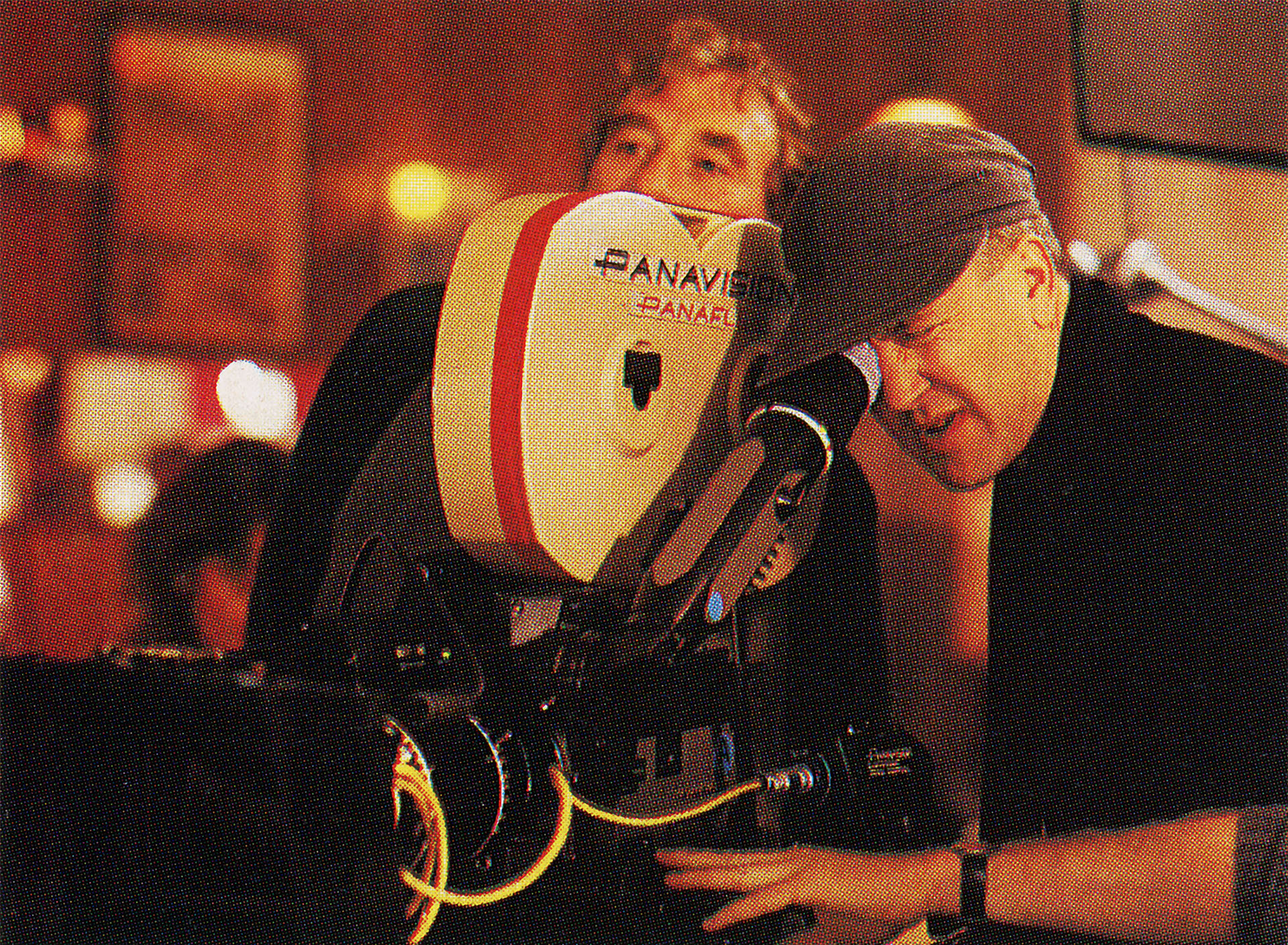
The townspeople of Snoqualmie, who hadn’t seen the film crew for a year – the regular episodes are filmed in a San Fernando Valley soundstage, the exteriors shot in Southern California – just laughed.
Everybody wrote about the show: Time, Newsweek, Rolling Stone, The New York Times. After the first two airings, TV Guide assigned virtually its entire reporting staff to cover it.
Pop culture devotees everywhere were watching or setting their VCRs. At a film and television convention in Canada, a Thursday-night discussion scheduled to run until 10:30 virtually emptied at 8:45 as conventioneers raced to the TV sets in their hotel rooms. In Los Angeles, one record industry publicist tried to lure people to an unnaturally early Thursday night show case performance of a new artist by making a promise: “She’ll go on at seven o’clock sharp, because we know everybody has to be home by nine to watch Twin Peaks.”
And, finally, “Within days of the pilot,” says Ontkean, “people were sending script breakdowns to agents saying, ‘We want this to be a little off-kilter, like Twin Peaks.‘ ” Jack Nance, who knows all about off-kilter – he played the title role of a zombielike freak in Lynch’s first movie, 1977’s Eraserhead – swears he wasn’t surprised.
“All the talk about, ‘Oh, the American public just wants to sit and stare at the TV, It’s over their heads,’ “They won’t understand it,’ ‘It’s great stuff, but nobody will watch it’ – that hasn’t been the case at all,” says the actor. “I don’t know, maybe people don’t give the public credit for having much of an attention span.” But if Nance knew this was coming, everybody else was surprised. “We never expected to come near Cheers or one of those American, hamburger-type series, says veteran actor Russ Tamblyn, who plays Twin Peaks twisted psychiatrist. “For this to succeed, the whole consciousness of the American public must have been lifted a few degrees.”
That’s one version of the story of Twin Peaks, anyway: a wild, weird show that is somehow too good not to become a hit.
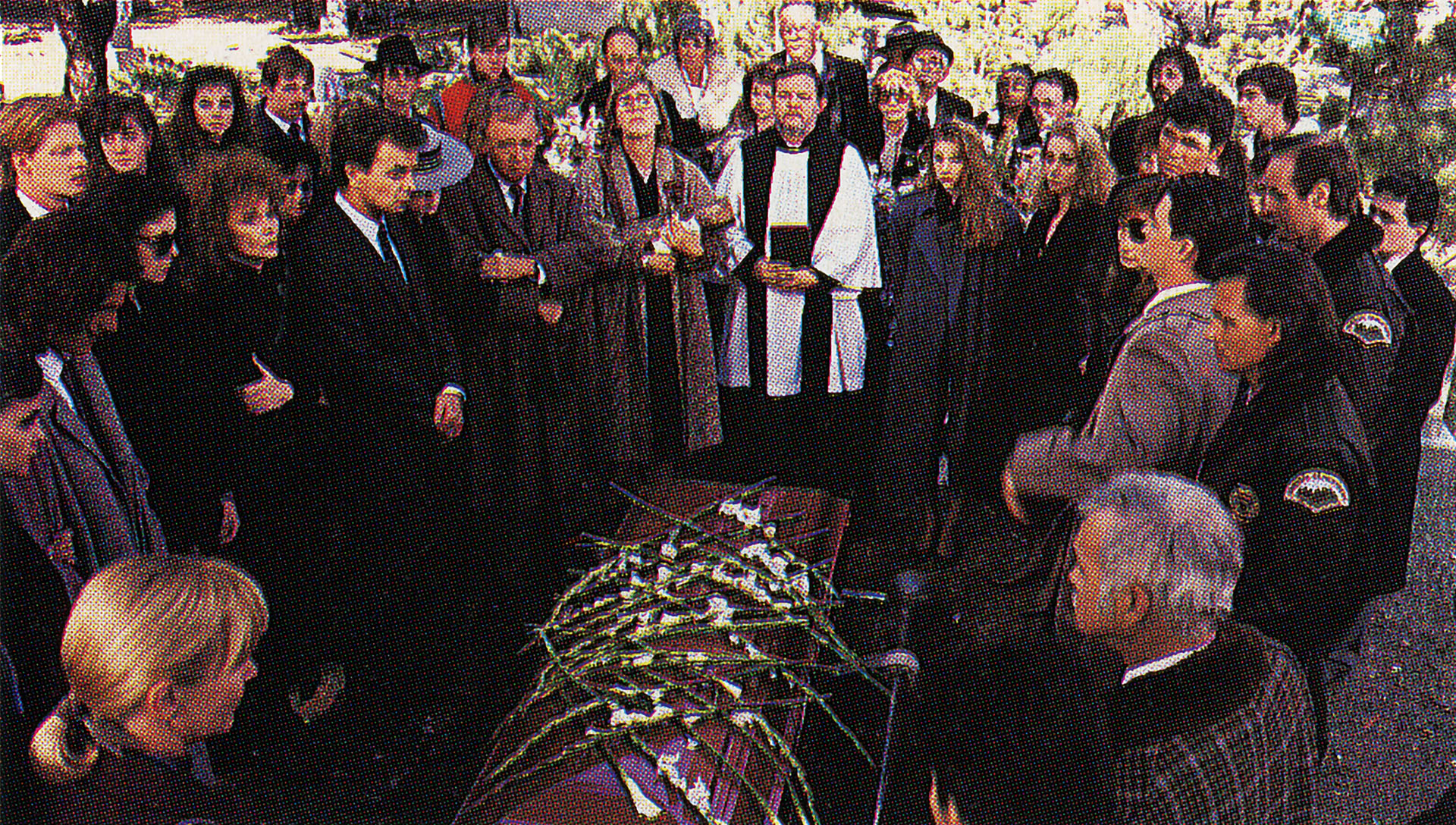
But there’s another version, and in this one David Lynch is a maverick but not necessarily a ground-breaker, his merely a short-lived phenomenon. And at this point, as the abbreviated first season of Twin Peaks winds down (the last show airs May 24 – [ed. note – episode 1.007 aired on Wednesday, May 23), it’s hard to tell just which version will end up being the more accurate one.
The facts, so far, are inconclusive. The pilot of Twin Peaks, riding on a wave of preshow publicity – call it genuine enthusiasm if you like the show, hype if you don’t – was an enormous success, winning its time period with a 33 share (meaning one-third of all TV sets in use).
“It came as a bolt from the blue, it exceeded everybody’s expectations,” says Lynch of the ratings. “I think the network thought they were hallucinating.” The first episode to air in the show’s regular Thursday-night slot — when those who watched the pilot were anxious to find out who set the show in motion by torturing and killing debutante Laura Palmer — didn’t beat Cheers, but held up well. And then, the following week, viewers started going back to their old habits: Cheers regained its usually thirty-some-thing share and Twin Peaks lost about a third of its audience.
“The show is not commercial,” argues Paul Schulman, president of his own ad agency, whose clients spend approximately $175 million a year buying ads on network television. “It may be the darling of critics, it may be esthetically beautiful, it may be creatively brilliant, but it is nine leagues above the head of the normal TV viewers. All the excitement and the enthusiasm, maybe, was for nothing. The viewers may have loved the show, but they’re starting to reject it.”
You could call Schulman’s attitude sour grapes, or competitive vindictiveness: Much of the money his clients spend each year goes to ads that run during Cheers. “There are an enormous number of people in this town who have a vested interest in its failure,” says Paul Junger Witt of Witt/Thomas/Harris Productions, the company that produces hit shows like The Golden Girls and Empty Nest. “Lots of people in Hollywood feel threatened by something new. But Twin Peaks is the kind of thing that can keep network television important.”
‘US’ MAGAZINE ON MAY 28, 1990 | PAGE 24
Pond’s article continues on page 24 with a separate article titled “Twin Pasts” that spotlights Richard Beymer and Russ Tamblyn. I’ll discuss Pond’s article first.
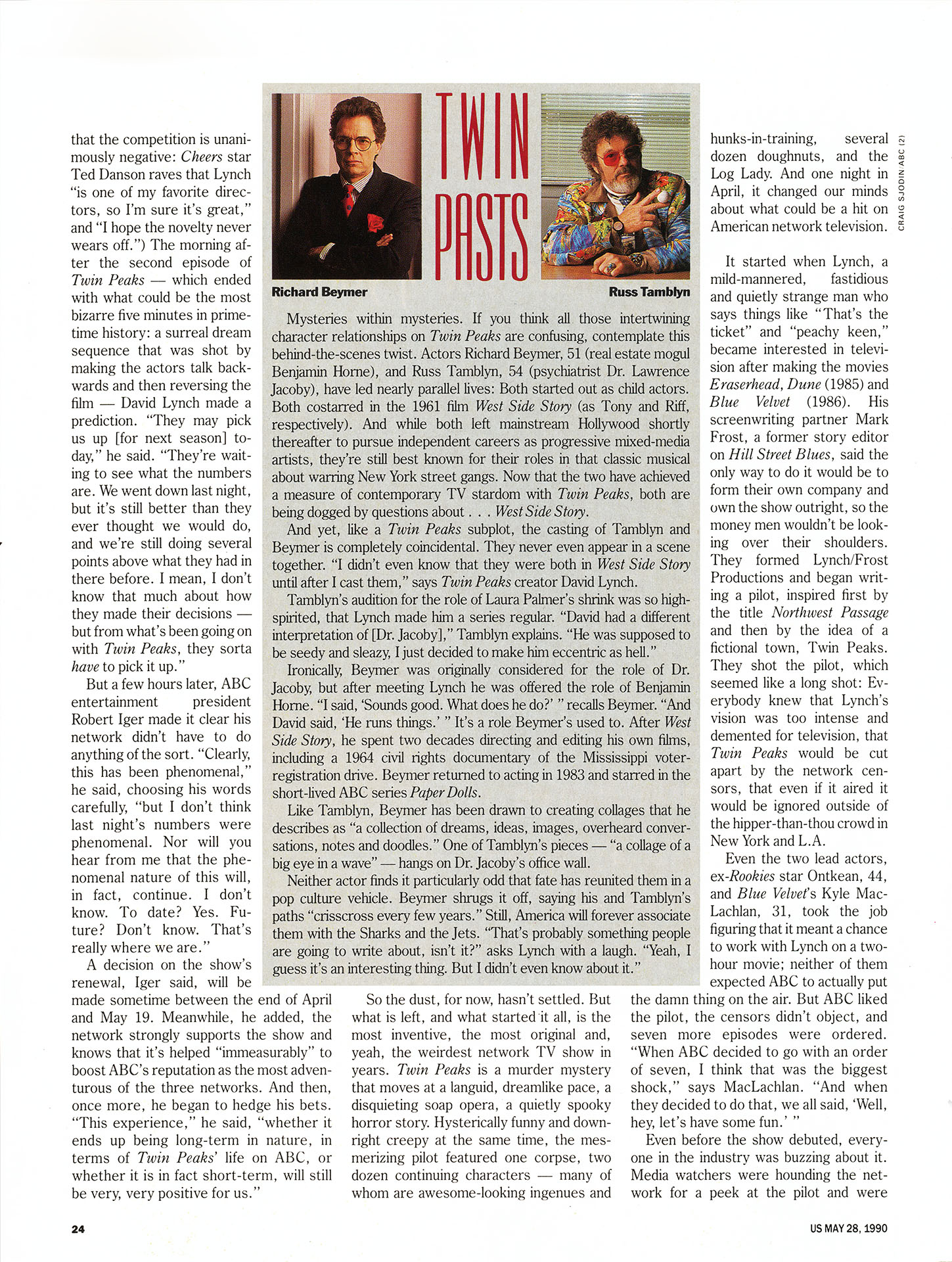
“Still, you can’t ascribe all the doubts to jealousy or fear. (And you can’t say that the competition is unanimously negative: Cheers star Ted Danson raves that Lynch “is one of my favorite directors, so I’m sure it’s great,” and “I hope the novelty never wears off.”) The morning after the second episode of Twin Peaks – which ended with what could be the most bizarre five minutes in prime-time history: a surreal dream sequence that was shot by making the actors talk backwards and then reversing the film – David Lynch made a prediction. “They may pick us up [for next season] today,” he said. “They’re waiting to see what the numbers are. We went down last night, but it’s still better than they ever thought we would do, and we’re still doing several points above what they had in there before. I mean, I don’t know that much about how they made their decisions — but from what’s been going on with Twin Peaks, they sorta have to pick it up.”
But a few hours later, ABC entertainment Robert Iger made it clear his network didn’t have to do anything of the sort. “Clearly, this has been phenomenal,” he said, choosing his words carefully, “but I don’t think last night’s numbers were phenomenal. Nor will you hear from me that the phenomenal nature of this will, in fact, continue. I don’t know. To date? Yes. Future? Don’t know. That’s really where we are.”
A decision on the show’s renewal, Iger said, will be made sometime between the end of April and May 19. Meanwhile, he added, the network strongly supports the show and knows that it’s helped “immeasurably” to boost ABC’s reputation as the most adventurous of the three networks. And then. once more, he began to hedge his bets.
“This experience,” he said, “whether it ends up being long-term in nature, in terms of Twin Peaks‘ life on ABC, or whether it is in fact short-term, will still be very, very positive for us.”
So the dust, for now, hasn’t settled. But what is left, and what started it all, is the most inventive, the most original and, yeah, the weirdest network TV show in years. Twin Peaks is a murder mystery that moves at a languid, dreamlike pace, a disquieting soap opera, a quietly spooky horror story. Hysterically funny and downright creepy at the same time, the mesmerizing pilot featured one corpse, two dozen continuing characters – many of whom are awesome-looking ingenues and hunks-in-training, several dozen doughnuts, and the Log Lady. And one night in April, it changed our minds about what could be a hit on American network television.
It started when Lynch, a mild-mannered, fastidious and quietly strange man who says things like “That’s the ticket” and “peachy keen,” became interested in television after making the movies Eraserhead, Dune (1985) and Blue Velvet (1986). His screenwriting partner Mark Frost, a former story editor on Hill Street Blues, said the only way to do it would be to form their own company and own the show outright, so the money men wouldn’t be looking over their shoulders. They formed Lynch/Frost Productions and began writing a pilot, inspired first by the title Northwest Passage and then by the idea of a fictional town, Twin Peaks.
They shot the pilot, which seemed like a long shot: Everybody knew that Lynch’s vision was too intense and demented for television, that Twin Peaks would be cut apart by the network censors, that even if it aired it would be ignored outside of the hipper-than-thou crowd in New York and L.A.
Even the two lead actors, ex-Rookies star Ontkean, 44, and Blue Velvet’s Kyle MacLachlan, 31, took the job figuring that it meant a chance to work with Lynch on a two-hour movie; neither of them expected ABC to actually put the damn thing on the air. But ABC liked the pilot, the censors didn’t object, and seven more episodes were ordered.
“When ABC decided to go with an order of seven, I think that was the biggest shock,” says MacLachlan. “And when they decided to do that, we all said, ‘Well, hey, let’s have some fun.”
TWIN PASTS
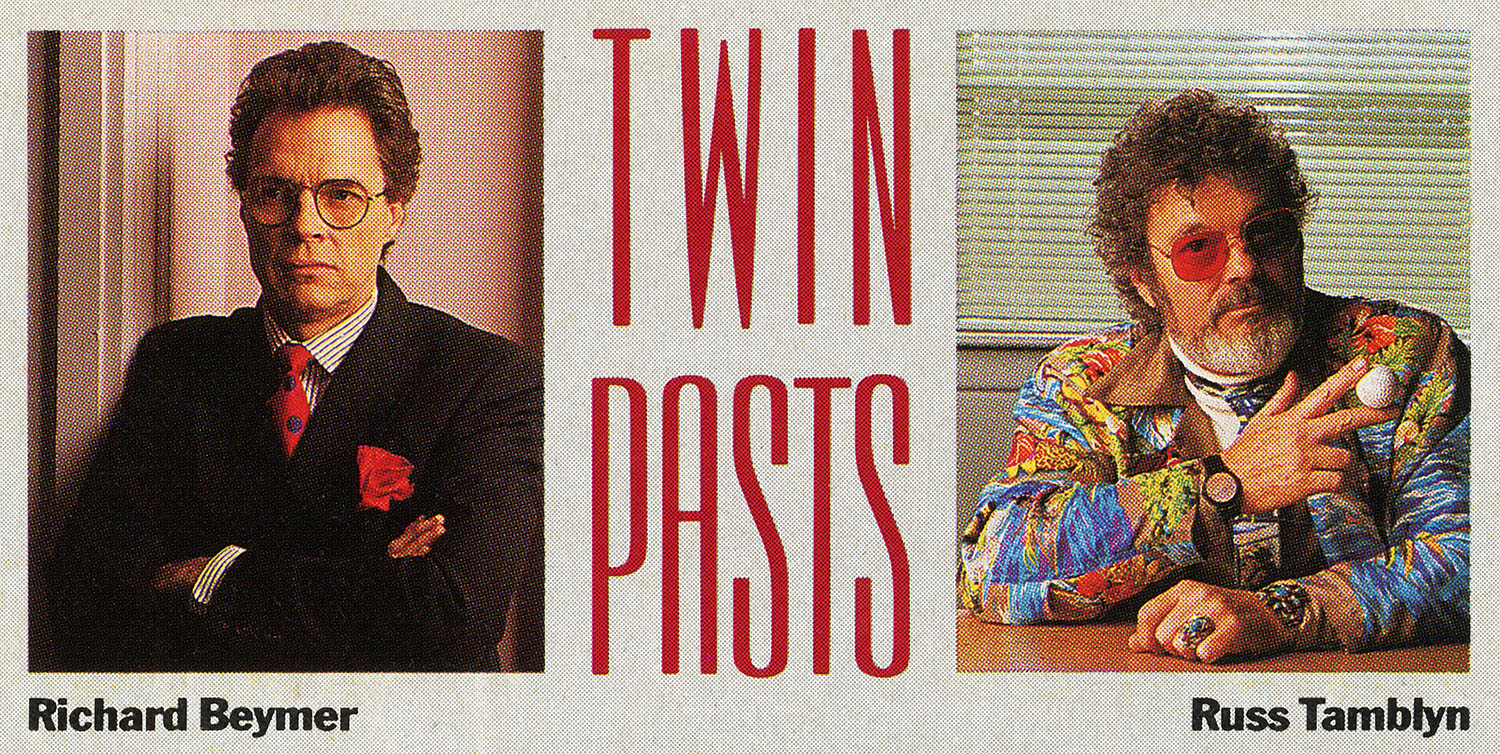
Mysteries within mysteries. If you think all those intertwining character relationships on Twin Peaks are confusing, contemplate this behind-the-scenes twist. Actors Richard Beymer, 51 (real estate mogul Benjamin Horne), and Russ Tamblyn, 54 (psychiatrist Dr. Lawrence Jacoby, have led nearly parallel lives: Both started out as child actors.
Both costarred in the 1961 film West Side Story (as Tony and Riff respectively. And while both left mainstream Hollywood shortly thereafter to pursue independent careers as progressive mixed-media artists, they’re still best known for their roles in that classic musical about warring New York street gangs. Now that the two have achieved a measure of contemporary TV stardom with Twin Peaks, both are being dogged by questions about… West Side Story.
And yet, like a Twin Peaks subplot, the casting of Tamblyn and Beymer is completely coincidental. They never even appear in a scene together. “I didn’t even know that they were both in West Side Story until after I cast them,” says Twin Peaks creator David Lynch.
Tamblyn’s audition for the role of Laura Palmer’s shrink was so high-spirited, that Lynch made him a series regular.
“David had a different interpretation of [Dr. Jacoby],” Tamblyn explains. “He was supposed to be seedy and sleazy, I just decided to make him eccentric as hell.” Ironically, Beymer was originally considered for the role of Dr. Jacoby, but after meeting Lynch he was offered the role of Benjamin Horne. “I said, ‘Sounds good. What does he do?’ ” recalls Beymer. “And David said, ‘He runs things.’ ” It’s a role Beymer’s used to. After West Side Story, he spent two decades directing and editing his own films, including a 1964 civil rights documentary of the Mississippi voter-registration drive. Beymer returned to acting in 1983 and starred in the short-lived ABC series Paper Dolls.
Like Tamblyn, Beymer has been drawn to creating collages that he describes as “a collection of dreams, ideas, images, overheard conversations, notes and doodles.” One of Tamblyn’s pieces — “a collage of a big eye in a wave”- hangs on Dr. Jacoby’s office wall.
Neither actor finds it particularly odd that fate has reunited them in a pop culture vehicle. Beymer shrugs it off, saying his and Tamblyn’s paths “crisscross every few years.” Still, America will forever associate them with the Sharks and the Jets. “That’s probably something people are going to write about, isn’t it?” asks Lynch with a laugh. “Yeah, I guess it’s an interesting thing. But I didn’t even know about it.”
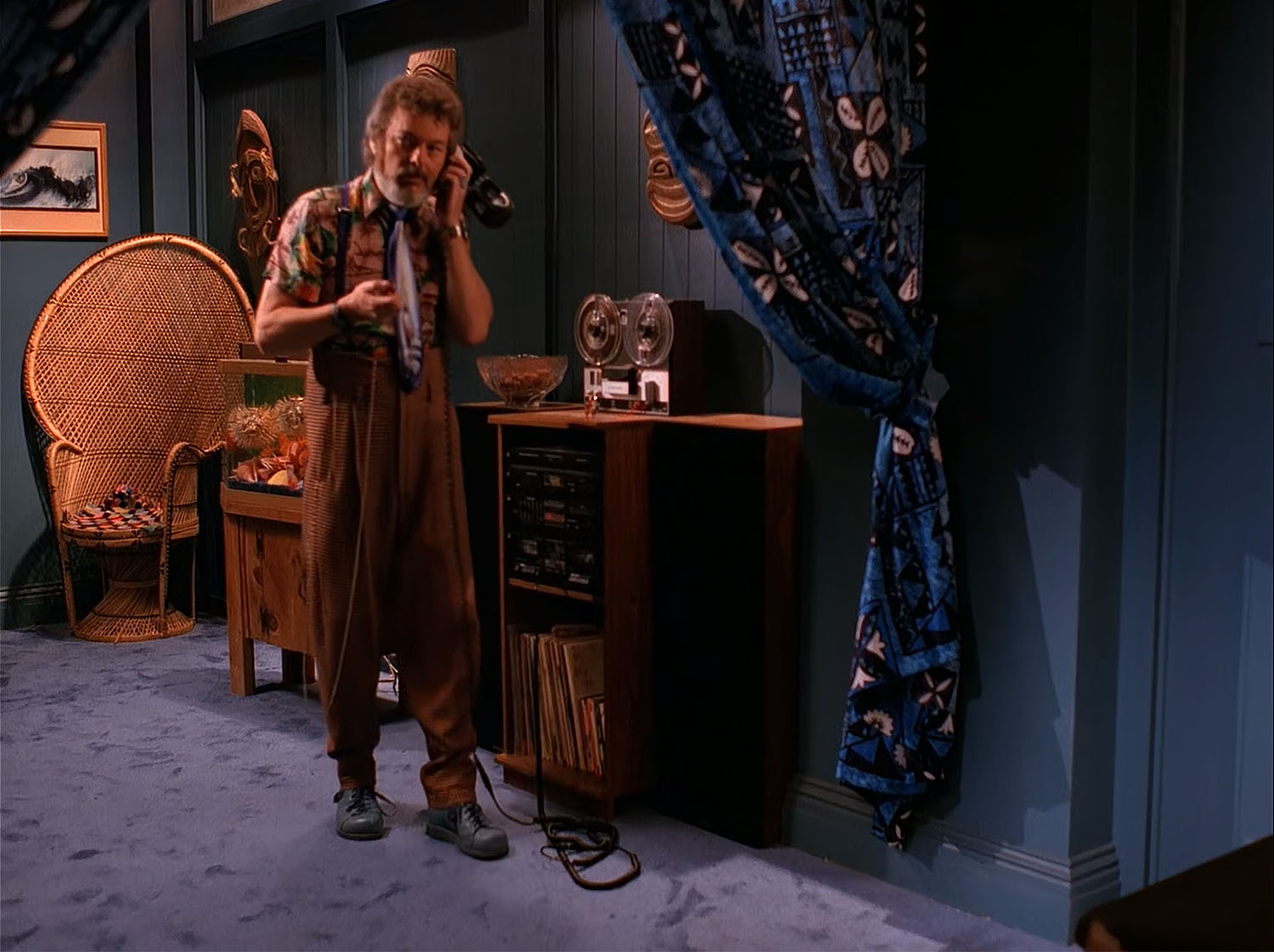
You can briefly seen the collage of a “big eye in a wave” in the background of Dr. Jacoby’s office from Twin Peaks episode 1.001.
‘US’ MAGAZINE ON MAY 28, 1990 | PAGE 25
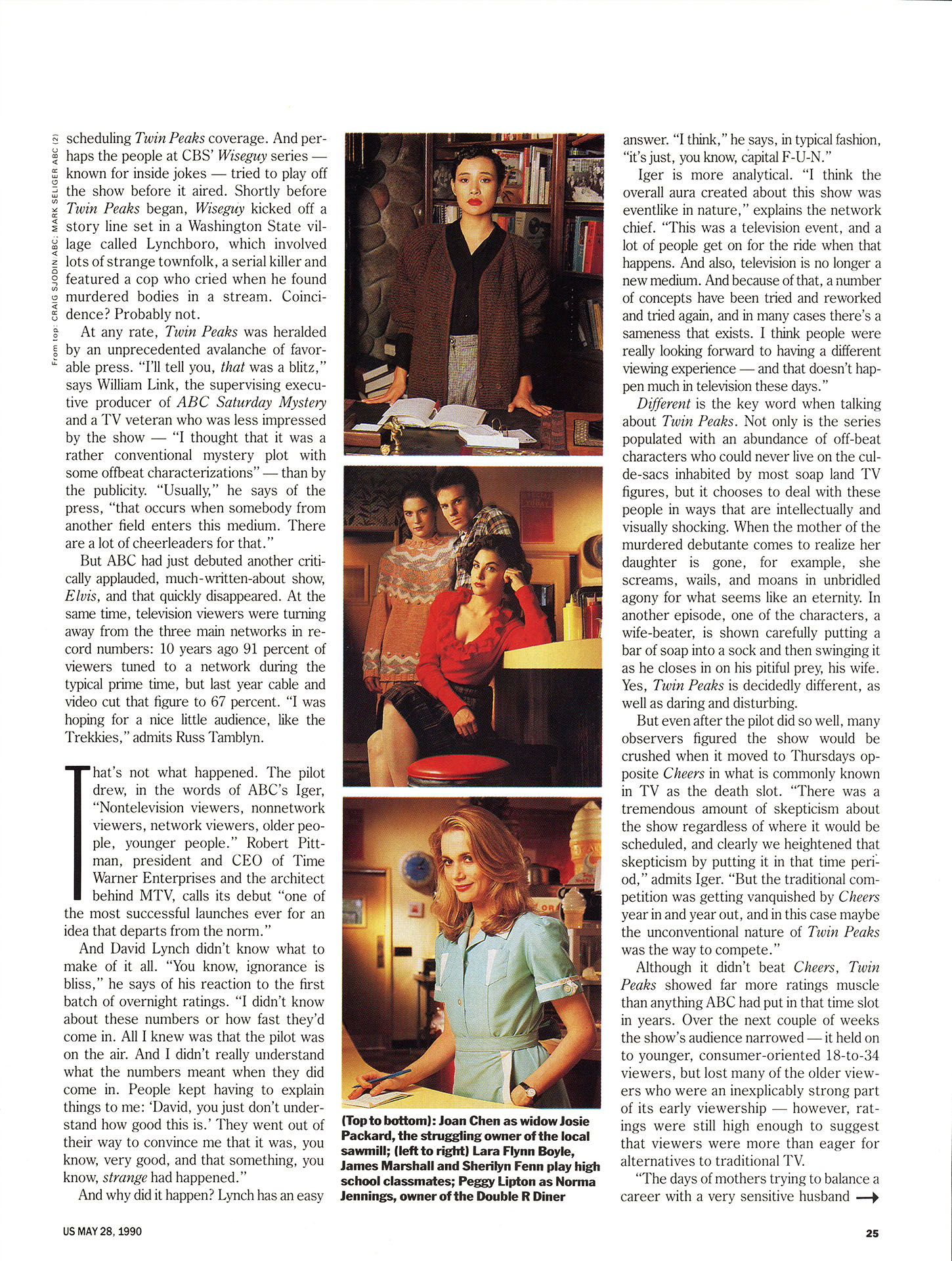
Even before the show debuted, everyone in the industry was buzzing about it. Media watchers were hounding the network for a peek at the pilot and were scheduling Twin Peaks coverage. And perhaps the people at CBS’ Wiseguy series — known for inside jokes – tried to play off the show before it aired. Shortly before Twin Peaks began, Wiseguy kicked off a story line set in a Washington State village called Lynchboro, which involved lots of strange townfolk, a serial killer and featured a cop who cried when he found murdered bodies in a stream. Coincidence? Probably not.
At any rate, Twin Peaks was heralded by an unprecedented avalanche of favorable press. “I’ll tell you, that was a blitz, says William Link, the supervising executive producer of ABC Saturday Mystery and a TV veteran who was less impressed by the show – “I thought that it was a rather conventional mystery plot with some offbeat characterizations” – than by the publicity. “Usually,” he says of the press, “that occurs when somebody from another field enters this medium. There are a lot of cheerleaders for that.”
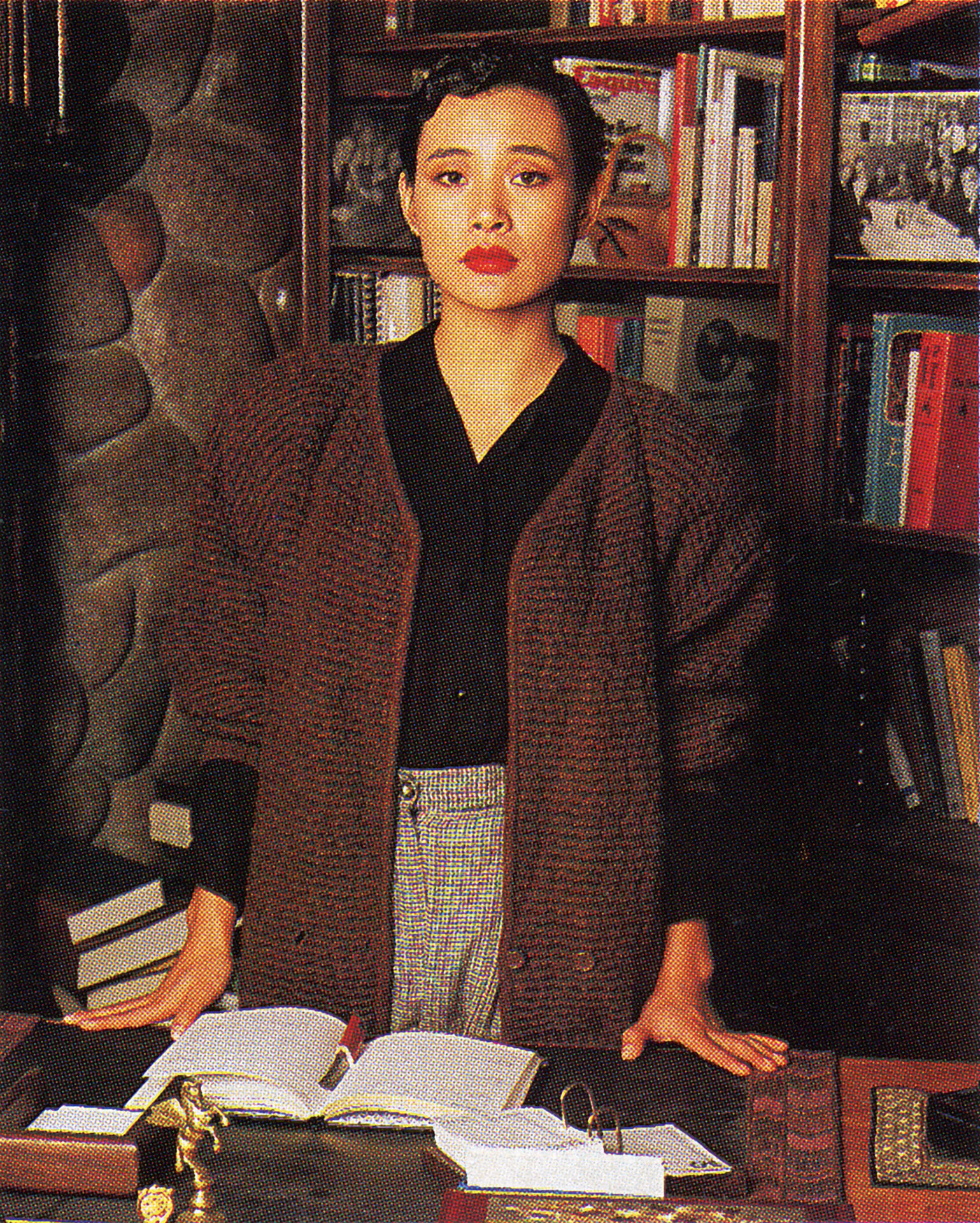
But ABC had just debuted another critically applauded, much-written-about show, Elvis, and that quickly disappeared. At the same time, television viewers were turning away from the three main networks in record numbers: 10 years ago 91 percent of viewers tuned to a network during the typical prime time, but last year cable and video cut that figure to 67 percent.
“I was hoping for a nice little audience, like the Trekkies, ” admits Russ Tamblyn.
That’s not what happened. The pilot drew, in the words of ABC’s Iger,”Non-television viewers, non-network viewers, network viewers, older people, younger people.” Robert Pittman, president and CEO of Time Warner Enterprises and the architect behind MTV, calls its debut “one of the most successful launches ever for an idea that departs from the norm.”
And David Lynch didn’t know what to make of it all.
“You know, ignorance is bliss,” he says of his reaction to the first batch of overnight ratings. “I didn’t know about these numbers or how fast they’d come in. All I knew was that the pilot was on the air. And I didn’t really understand what the numbers meant when they did come in. People kept having to explain things to me: ‘David, you just don’t understand how good this is. They went out of their way to convince me that it was, you know, very good, and that something, you know, strange had happened.”
And why did it happen? Lynch has an easy answer. “I think,” he says, in typical fashion, “it’s just, you know, capital F-U-N.”
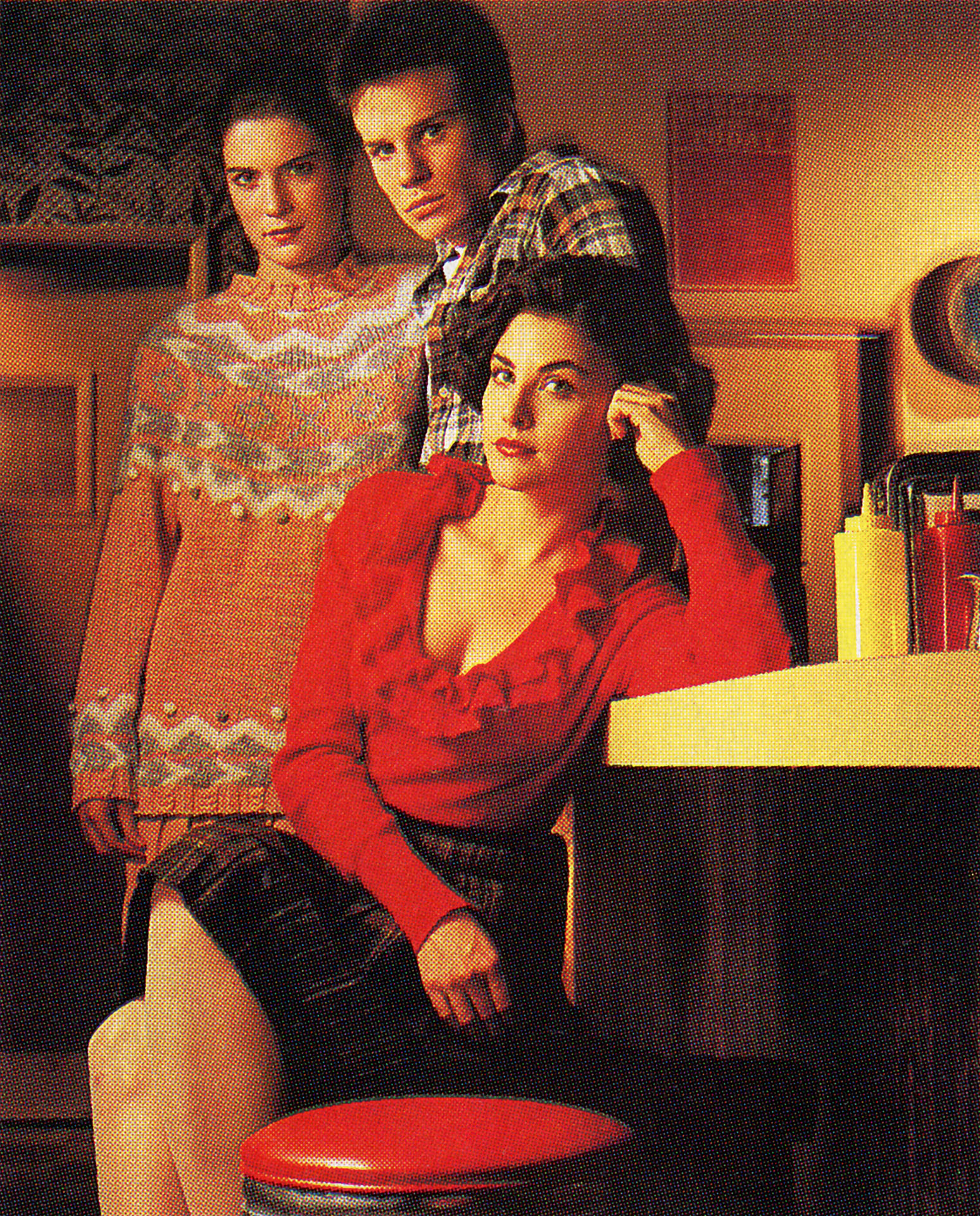
Iger is more analytical. “I think the overall aura created about this show was eventlike in nature,” explains the network chief. “This was a television event, and a lot of people get on for the ride when that happens. And also, television is no longer a new medium. And because of that, a number of concepts have been tried and reworked and tried again, and in many cases there’s a sameness that exists. I think people were really looking forward to having a different viewing experience – and that doesn’t happen much in television these days.”
Different is the key word when talking about Twin Peaks. Not only is the series populated with an abundance of off-beat characters who could never live on the cul-de-sacs inhabited by most soap land TV figures, but it chooses to deal with these people in ways that are intellectually and visually shocking. When the mother of the murdered debutante comes to realize her daughter is gone, for example, she screams, wails, and moans in unbridled agony for what seems like an eternity. In another episode, one of the characters, a wife-beater, is shown carefully putting a bar of soap into a sock and then swinging it as he closes in on his pitiful prey, his wife.
Yes, Twin Peaks is decidedly different, as well as daring and disturbing.
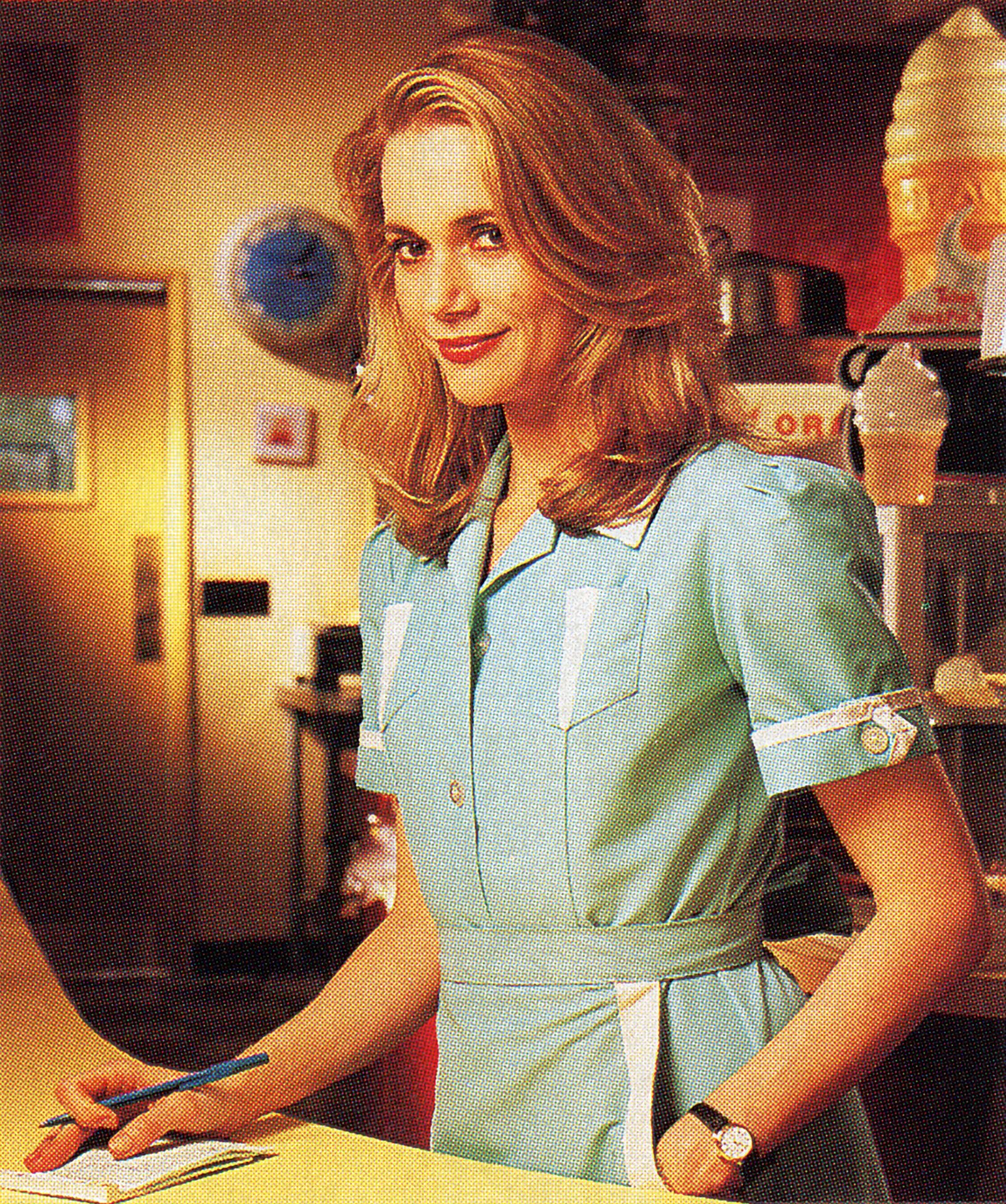
But even after the pilot did so well, many observers figured the show would be crushed when it moved to Thursdays opposite Cheers in what is commonly known in TV as the death slot. “There was a tremendous amount of skepticism about the show regardless of where it would be scheduled, and clearly we heightened that skepticism by putting it in that time period,” admits Iger.
“But the traditional competition was getting vanquished by Cheers year in and year out, and in this case maybe the unconventional nature of Twin Peaks was the way to compete.”
Although it didn’t beat Cheers, Twin Peaks showed far more ratings muscle than anything ABC had put in that time slot in years. Over the next couple of weeks the show’s audience narrowed – it held on to younger, consumer-oriented 18-to-34 viewers, but lost many of the older viewers who were an inexplicably strong part of its early viewership – however, ratings were still high enough to suggest that viewers were more than eager for alternatives to traditional TV.
‘US’ MAGAZINE ON MAY 28, 1990 | PAGE 26
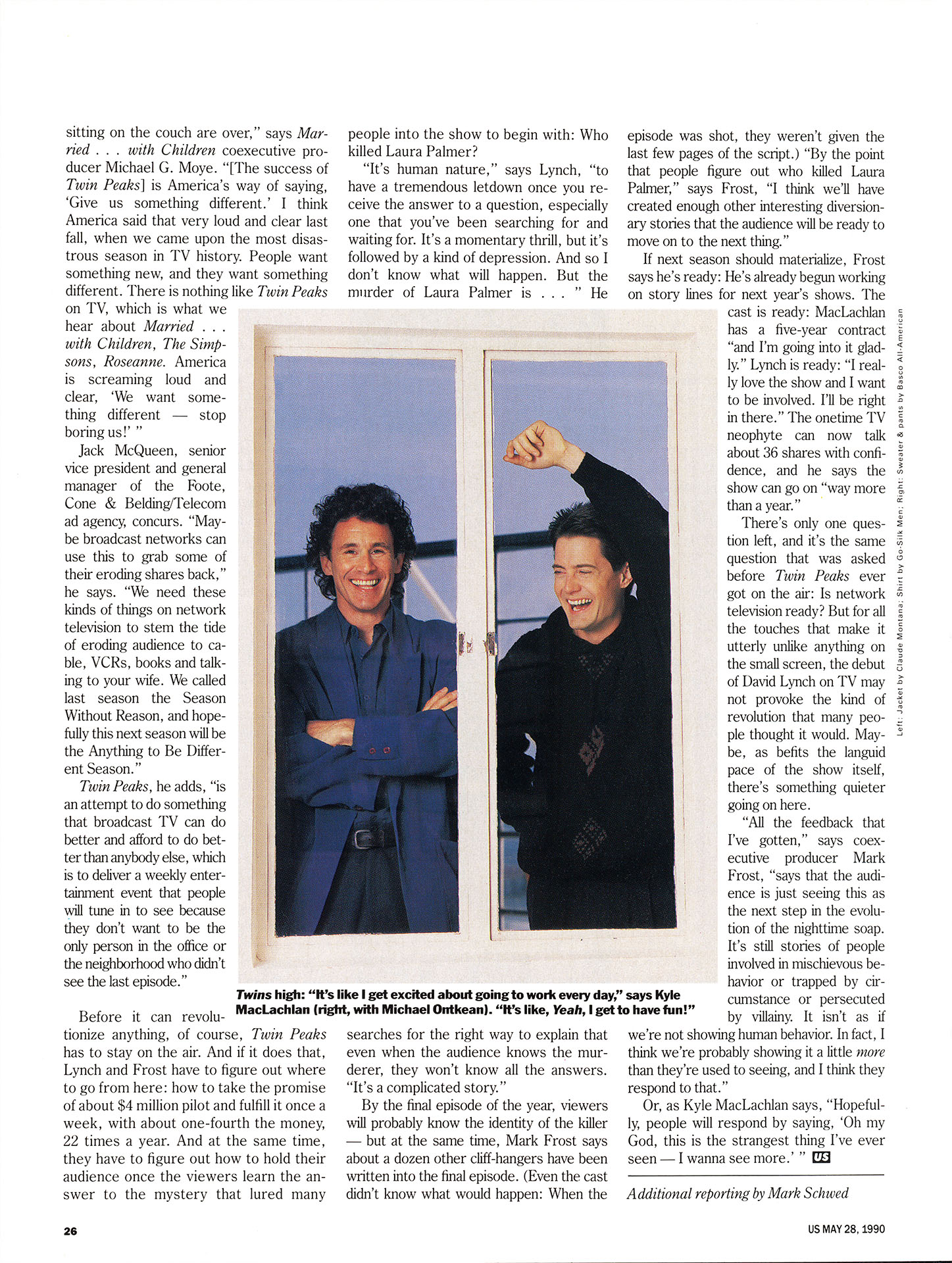
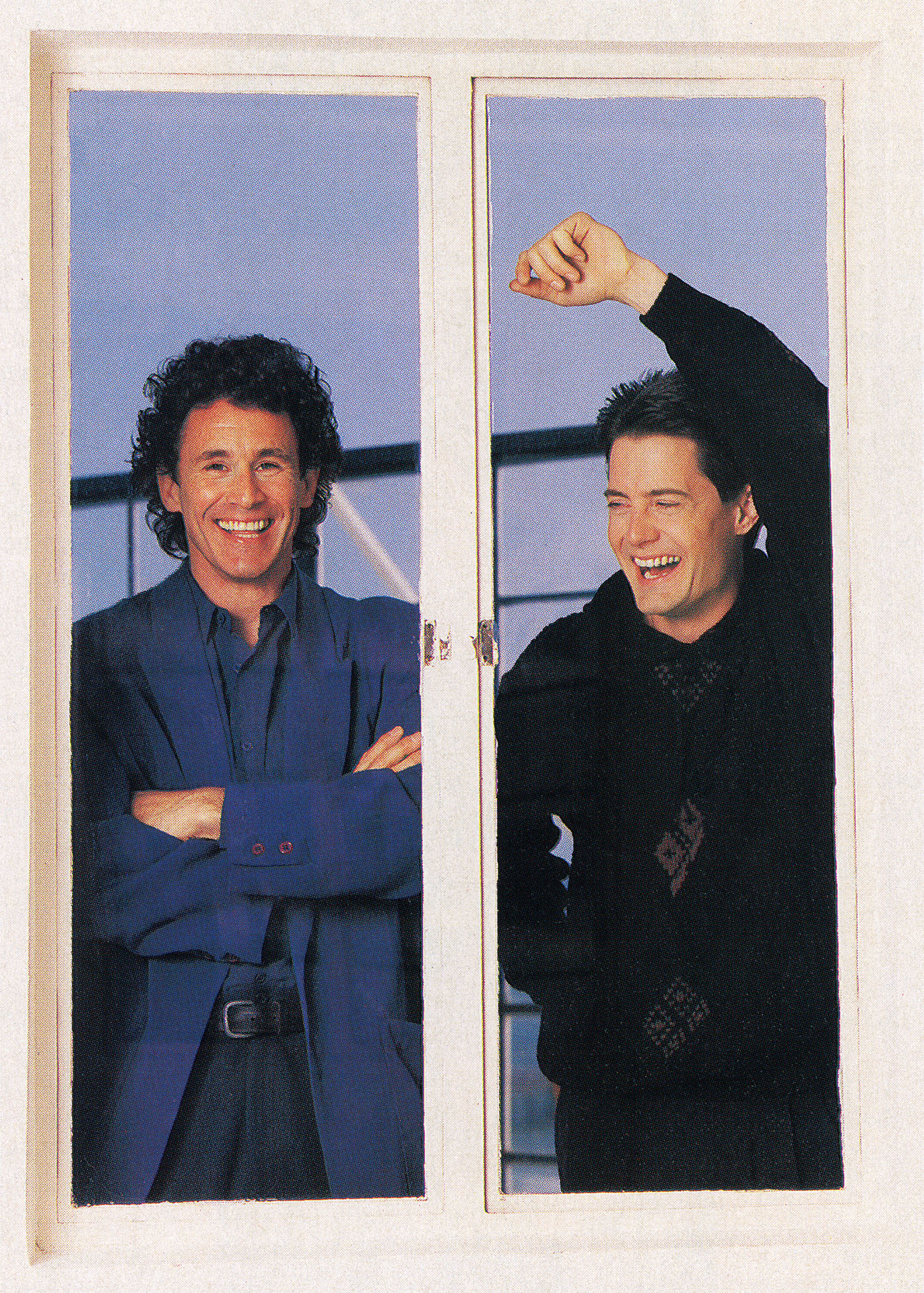
Steve Pond’s article concluded on page 26 along with another photo of Michael Ontkean and Kyle MacLachlan taken by Randee St. Nicholas.
“The days of mothers trying to balance a career with a very sensitive husbandsitting on the couch are over,” says Married… with Children coexecutive producer Michael G. Moye. “[The success of Twin Peaks] is America’s way of saying, ‘Give us something different? I think America said that very loud and clear last fall, when we came upon the most disastrous season in TV history. People want something new, and they want something different. There is nothing like Twin Peaks on TV, which is what we hear about Married with Children, The Simpsons, Roseanne. America is screaming loud and clear,
‘We want something different – stop boring us!’ ” Jack McQueen, senior vice president and general manager of the Foote, Cone & Belding/Telecom ad agency, concurs. “Maybe broadcast networks can use this to grab some of their eroding shares back,” he says.
“We need these kinds of things on network television to stem the tide of eroding audience to cable, VCRs, books and talking to your wife. We called last season the Season Without Reason, and hopefully this next season will be the Anything to Be Different Season.”
“Twin Peaks, he adds, “is an attempt to do something that broadcast TV can do better and afford to do better than anybody else, which is to deliver a weekly entertainment event that people will tune in to see because they don’t want to be the only person in the office or the neighborhood who didn’t see the last episode.”
Before it can revolutionize anything, of course, Twin Peaks has to stay on the air. And if it does that, Lynch and Frost have to figure out where to go from here: how to take the promise of about $4 million pilot and fulfill it once a week, with about one-fourth the money, 22 times a year. And at the same time, they have to figure out how to hold their audience once the viewers learn the answer to the mystery that lured many people into the show to begin with: Who killed Laura Palmer?
“It’s human nature,” says Lynch, “to have a tremendous letdown once you receive the answer to a question, especially one that you’ve been searching for and waiting for. It’s a momentary thrill, but it’s followed by a kind of depression. And so I don’t know what will happen. But the murder of Laura Palmer is
“He searches for the right way to explain that even when the audience knows the murderer, they won’t know all the answers. “It’s a complicated story.”
By the final episode of the year, viewers will probably know the identity of the killer — but at the same time, Mark Frost says about a dozen other cliff-hangers have been written into the final episode. (Even the cast didn’t know what would happen: When the episode was shot, they weren’t given the last few pages of the script.) “By the point that people figure out who killed Laura Palmer, says Frost, “I think we’ll have created enough other interesting diversionary stories that the audience will be ready to move on to the next thing.”
If next season should materialize, Frost says he’s ready: He’s already begun working on story lines for next year’s shows. The cast is ready: MacLachlan has a five-year contract “and I’m going into it gladly.” Lynch is ready: “I really love the show and I want to be involved. I’ll be right in there.” The onetime TV neophyte can now talk about 36 shares with confidence, and he says the show can go on “way more than a year.”
There’s only one question left, and it’s the same question that was asked before Twin Peaks ever got on the air: Is network television ready? But for all the touches that make it utterly unlike anything on the small screen, the debut of David Lynch on TV may not provoke the kind of revolution that many people thought it would. Maybe, as befits the languid pace of the show itself, there’s something quieter going on here.
“All the feedback that I’ve gotten,” says coexecutive producer Mark Frost, “says that the audience is just seeing this as the next step in the evolution of the nighttime soap. It’s still stories of people involved in mischievous behavior or trapped by circumstance or persecuted by villainy. It isn’t as if we’re not showing human behavior. In fact, I think we’re probably showing it a little more than they’re used to seeing, and I think they respond to that.” Or, as Kyle MacLachlan says, “Hopefully, people will respond by saying, ‘Oh my God, this is the strangest thing I’ve ever seen — I wanna see more.'”
For St. Nicholas’ photo, Michael Ontkean is wearing a jacket by Claude Montana and a shirt by Go-Silk Men. Kyle MacLachlan’s sweater and pants are by Basco All-American.
What a treasure to add to the ever growing archive of Twin Peaks materials! Download high-resolution images from this magazine on my Flickr account – https://www.flickr.com/photos/aloha75/albums/72177720331697858/
Author
Discover more from TWIN PEAKS BLOG
Subscribe to get the latest posts sent to your email.