
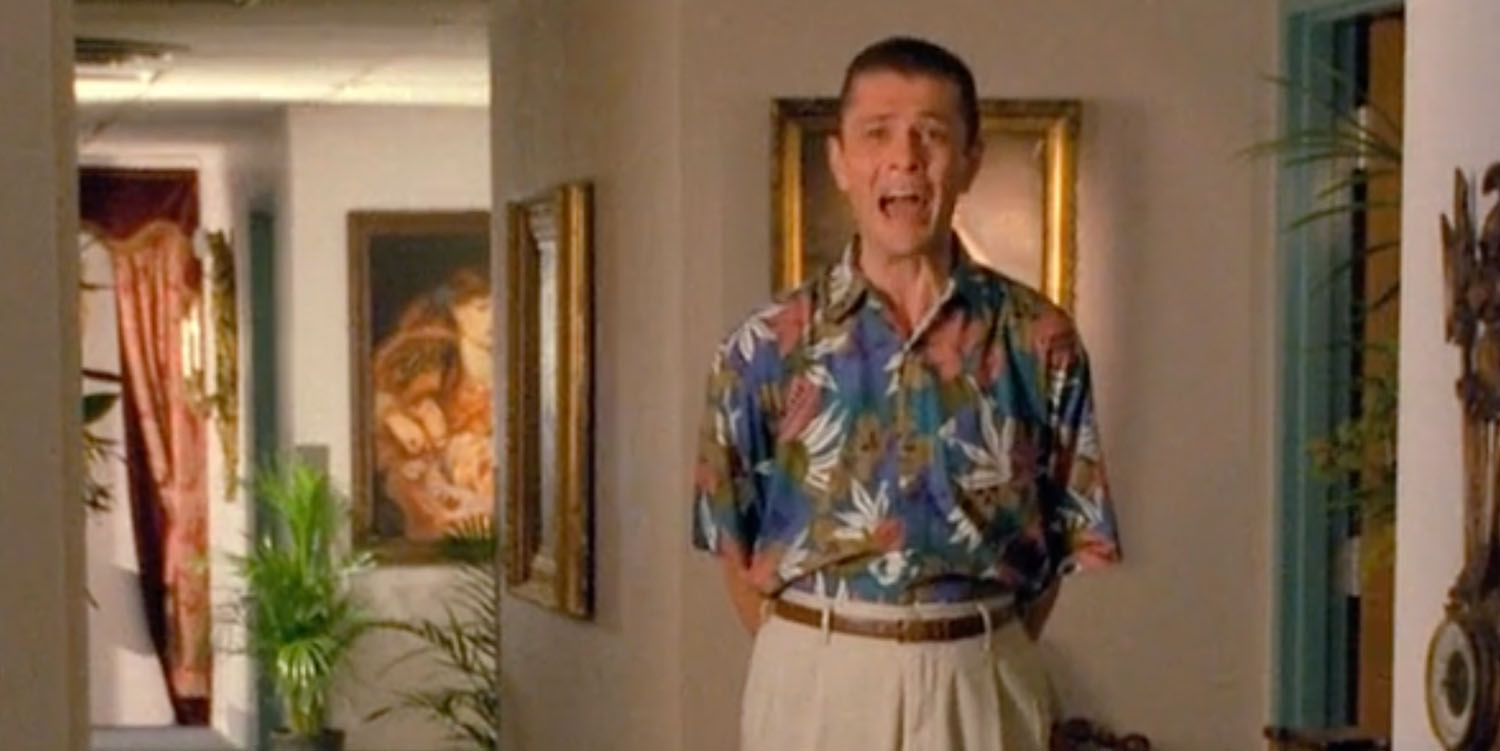
David Lynch and Mark Frost’s Twin Peaks is like a time capsule from the 1990s, best seen in costume pieces worn by the actors through the series and feature film. Costume designers selected items from labels such as Benetton, Liz Sport and Pendleton that were reminiscent of the 1950s and 60s. While researching scenes from The Missing Pieces of Lynch’s 1992 film Twin Peaks: Fire Walk With Me, I stumbled upon another early 90s designer featured in the Buenos Aires Palm Deluxe Hotel scenes with David Bowie’s character, Phillip Jeffries. The hotel’s bellhops wore floral print shirts designed and manufactured by Alexander Julian.
THE PALM DELUXE HOTEL BELLHOP SHIRT
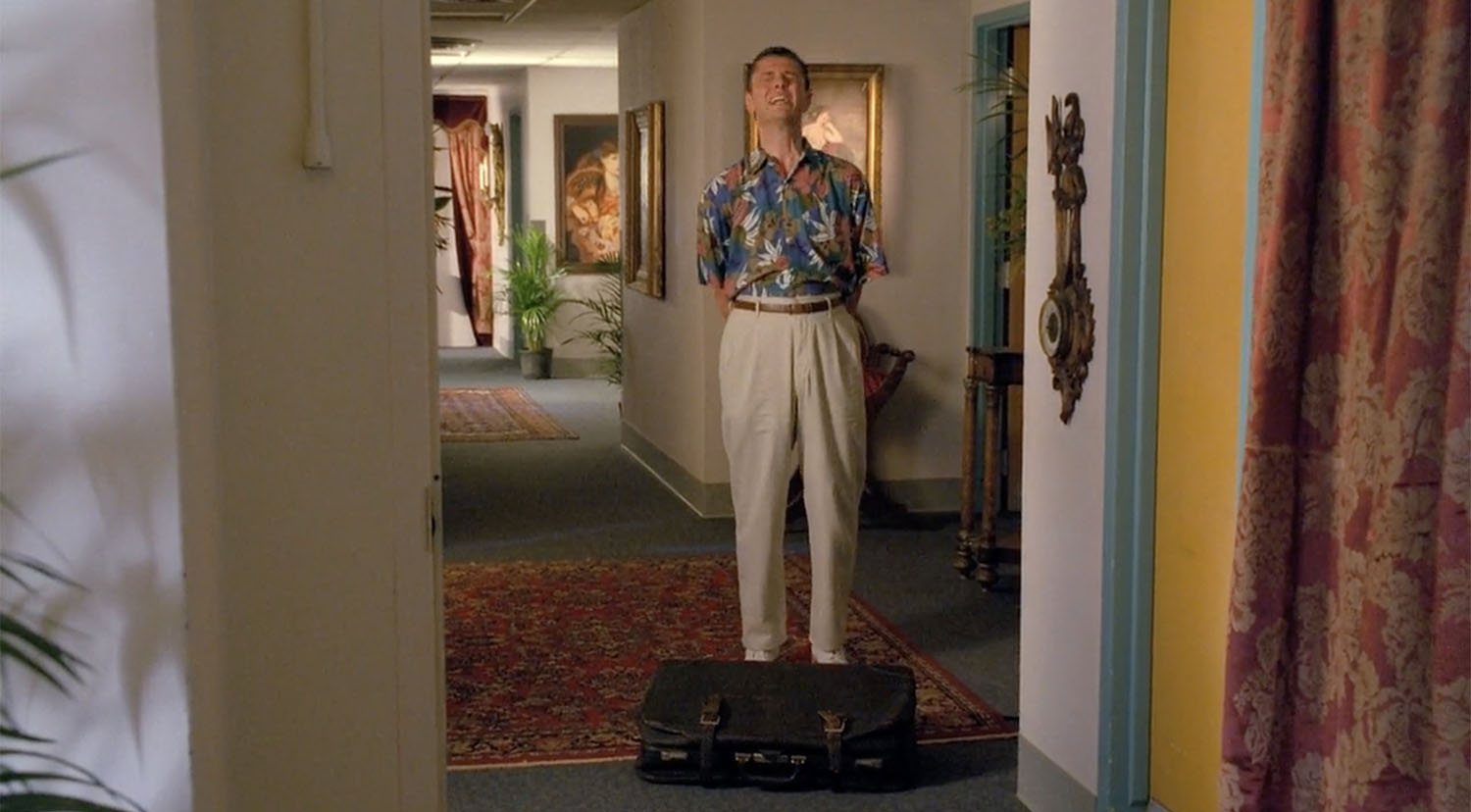
For the Buenos Aires Palm Deluxe Hotel scene there are three bellhops dressed in khaki pants and button-down floral shirt. One bellhop, played by Stefano Loverso, is seen meeting Special Agent Phillip Jeffries in the hotel’s lobby. He is later seen in the hotel’s hallway when Jeffries suddenly appears from nowhere on a set of stairs.
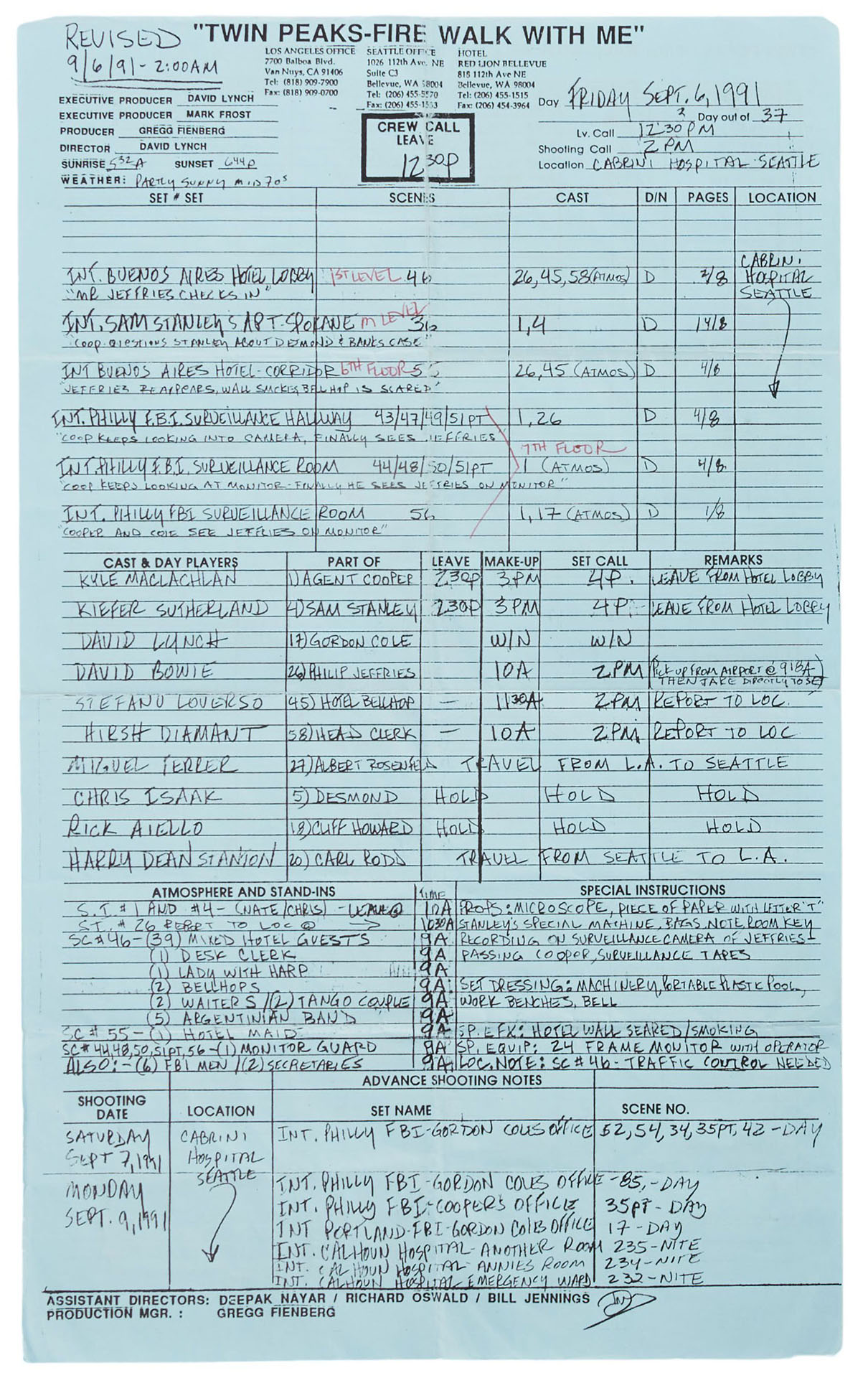 According to the call sheet from Lynch’s film, the hotel scenes were filmed on September 6, 1991 at the former Cabrini Hospital in downtown Seattle. Loverso’s Hotel Bellhop was listed on the call sheet as he has on-screen dialogue.
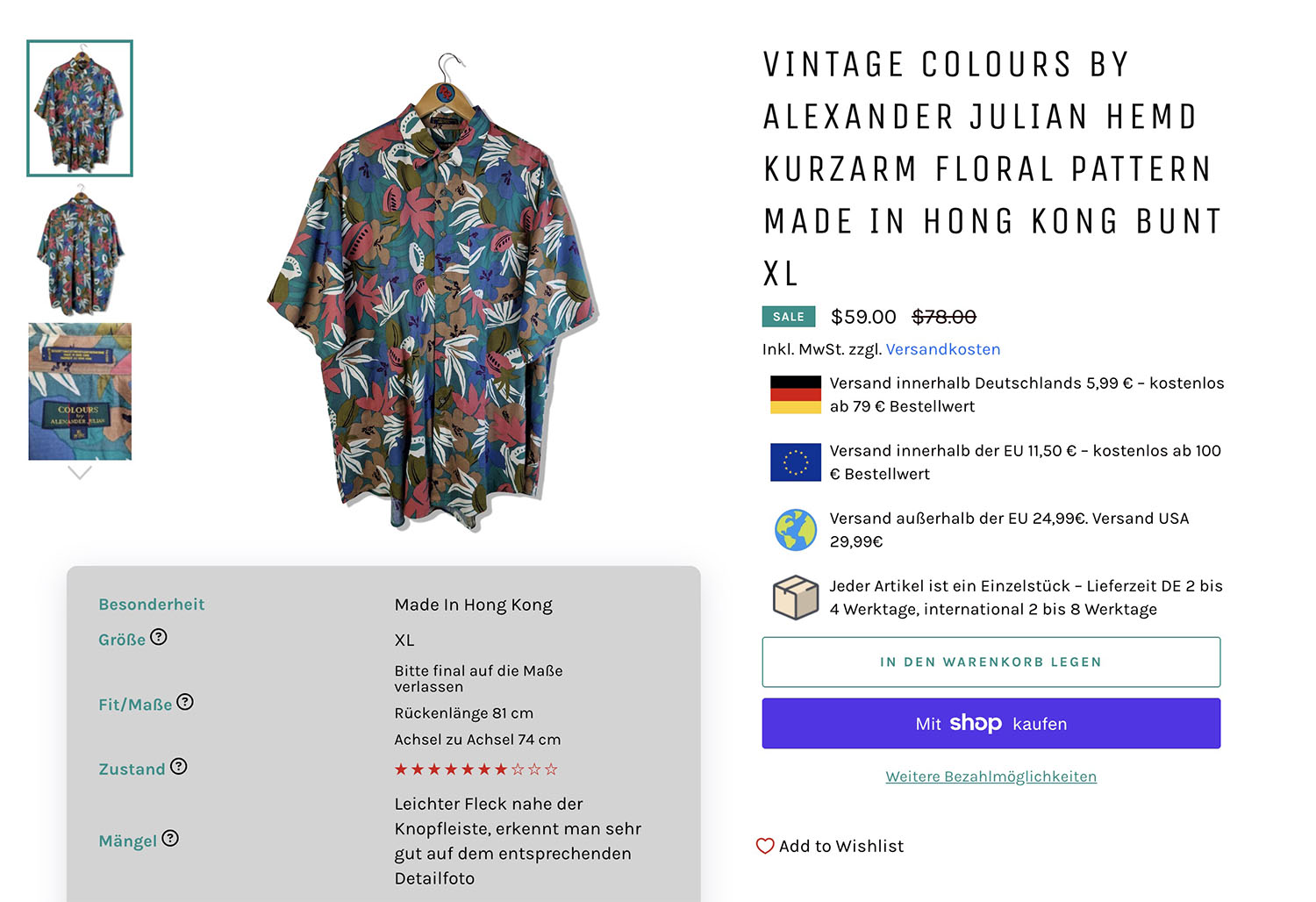
To find the bellhop’s shirt I did a reverse image search on Google Images. It returned an immediate match from a German clothing site, Rare-rags.de. The shirt was listed as “Alexander Julian Hemd Kurzarm Floral Pattern” and was manufactured in Hong Kong. The German term “Hem Kurzarm” translates to short-sleeve.
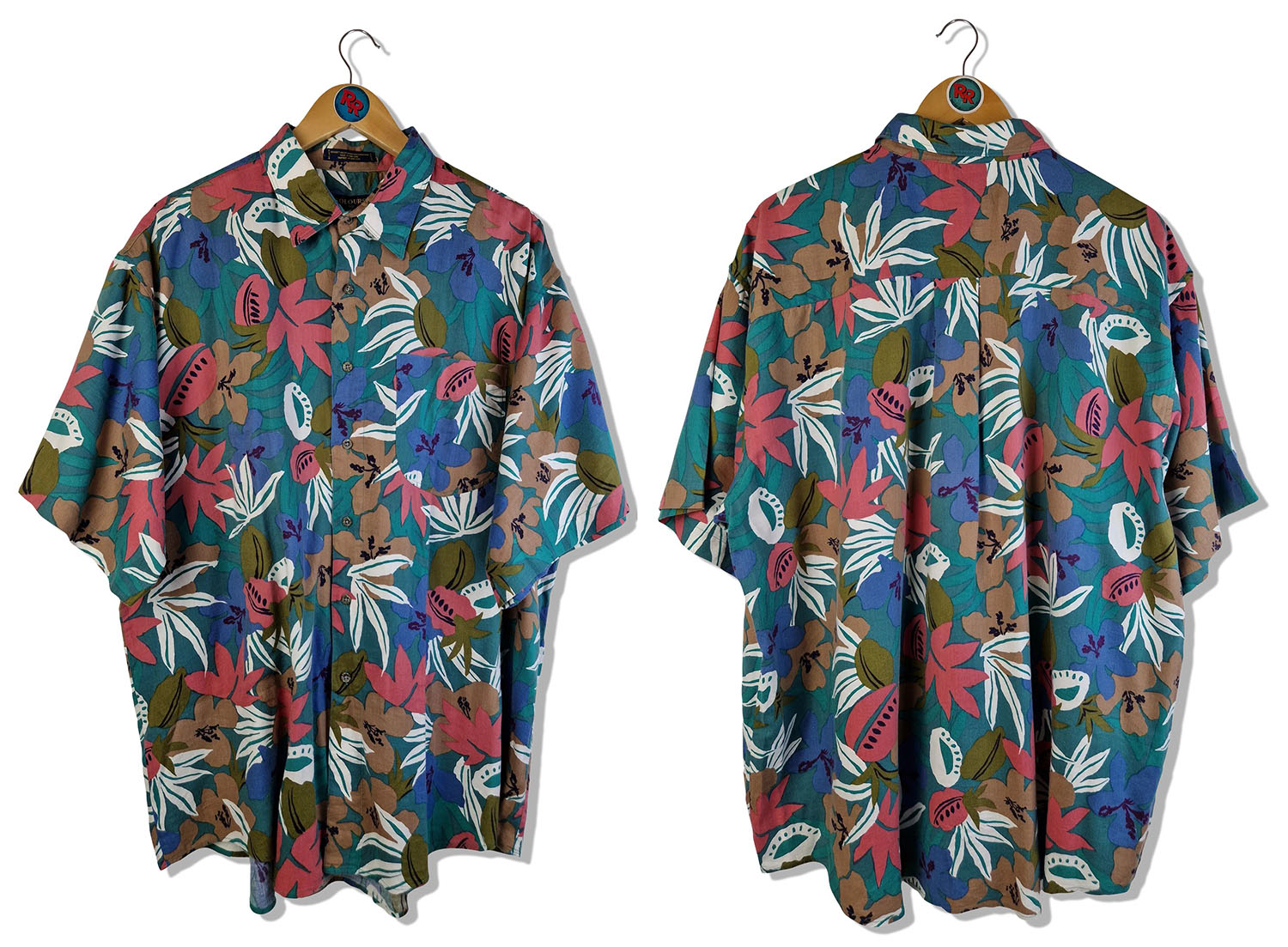
Here is the front and back of the button-down shirt that screams early 1990s.
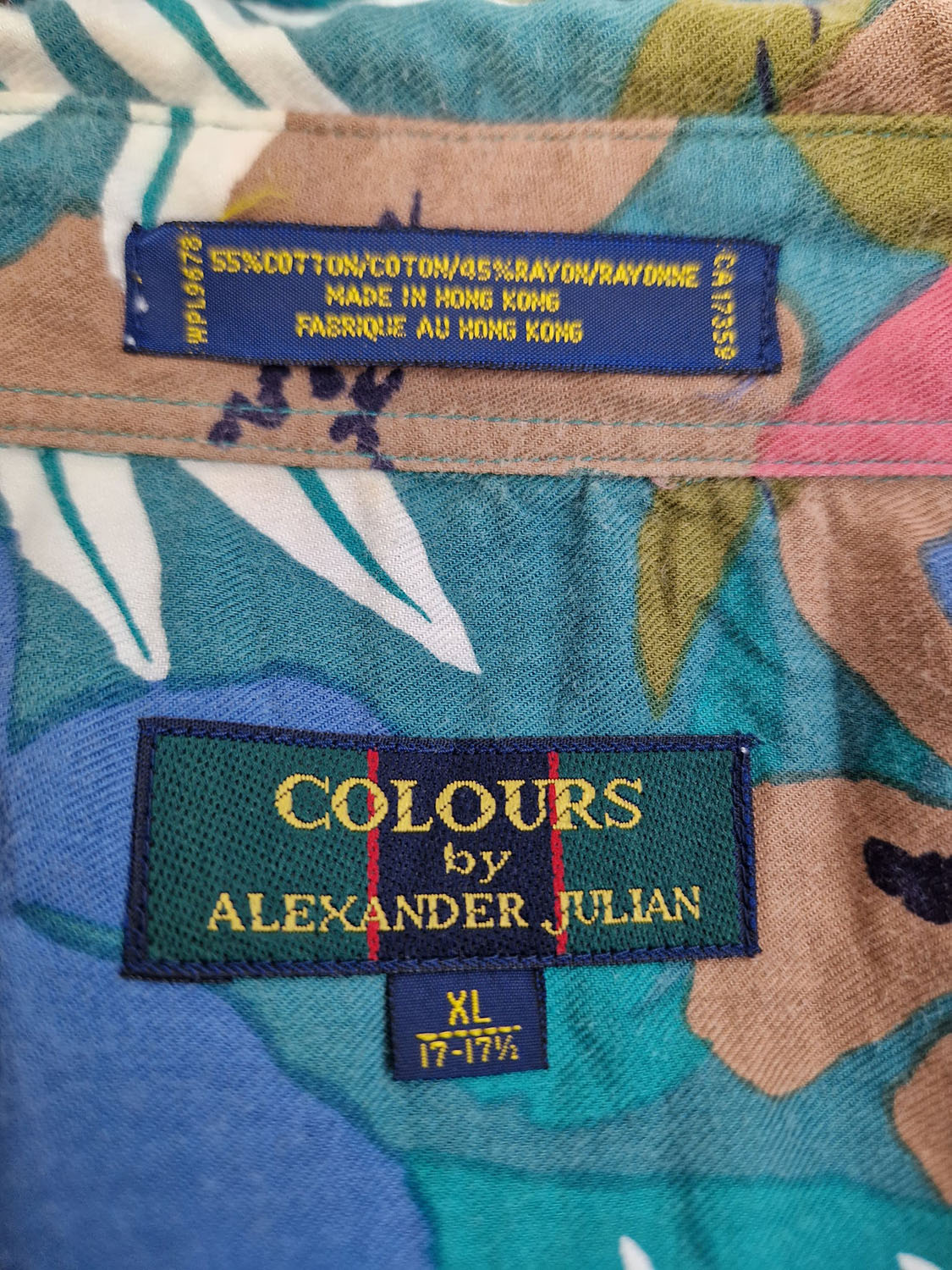
Thankfully the website included the shirt label – Colours by Alexander Julian. It was made from 55% cotton and 45% Rayon. If the shirt was offered in medium, I would currently own it. Extra-large is too big for me but what a joy to find an immediate match.
THE BELLHOP SHIRT APPEARANCES IN THE MISSING PIECES
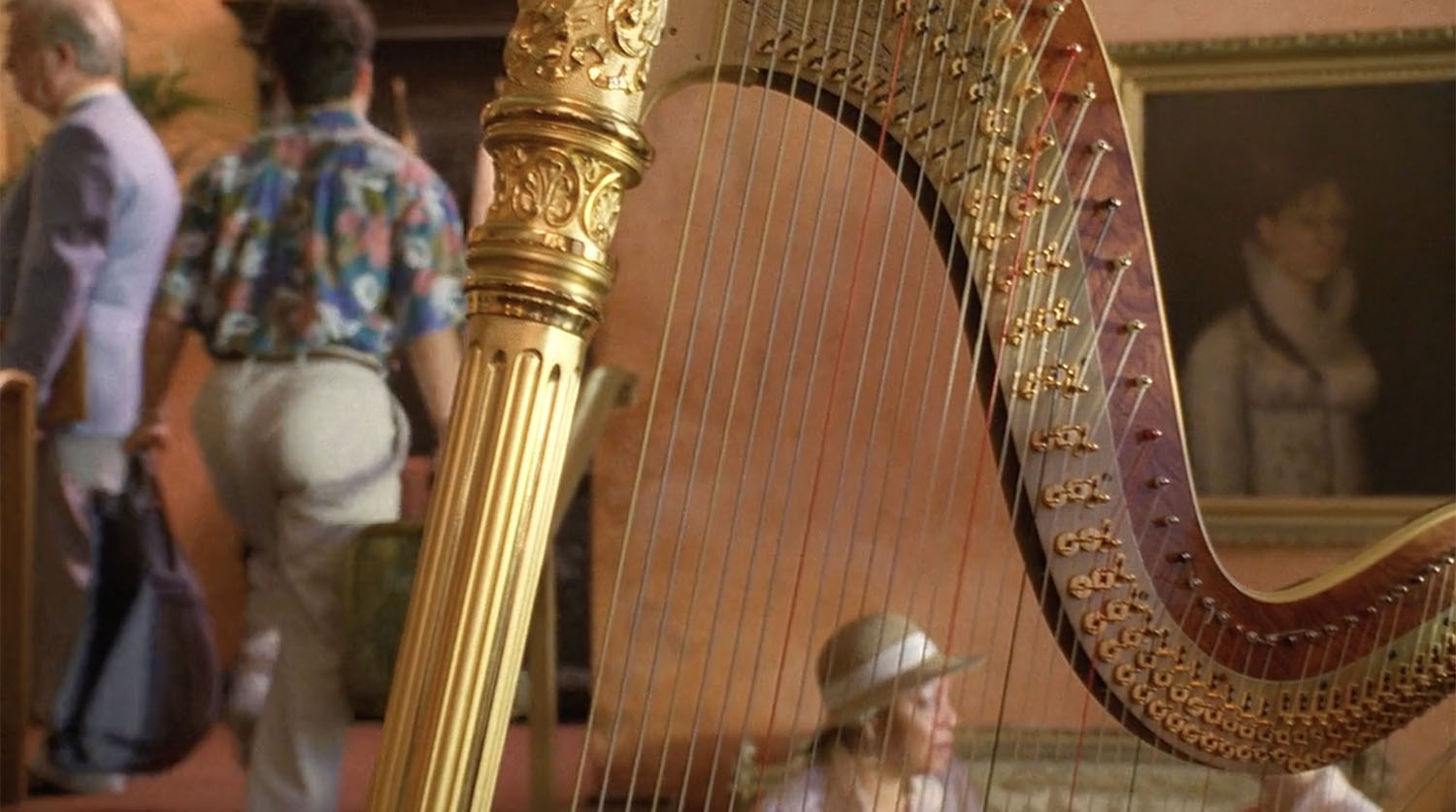
The three bellhops at the Palm Deluxe Hotel are wearing the same shirt. Most likely it was produced in 1991 when floral prints were all the rage in men’s fashion. You can see the first bellhop carrying bags as the camera pans from the harpist.
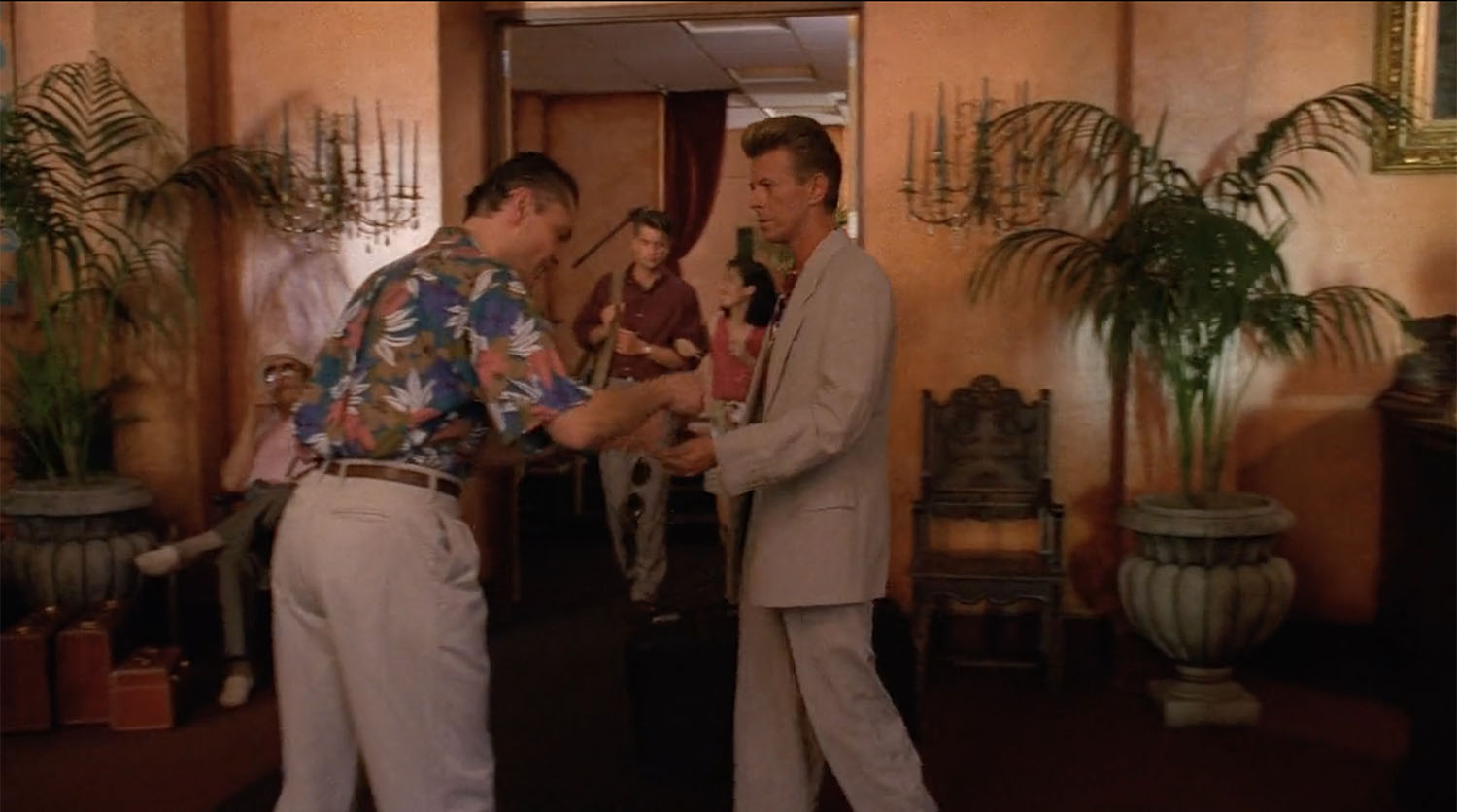
Jeffries then mets Loverso’s character after checking in the front desk. In Lynch and Bob Engels’ script from August 8, 1991, the bellhop says to Jeffries, “612 – very nice.”
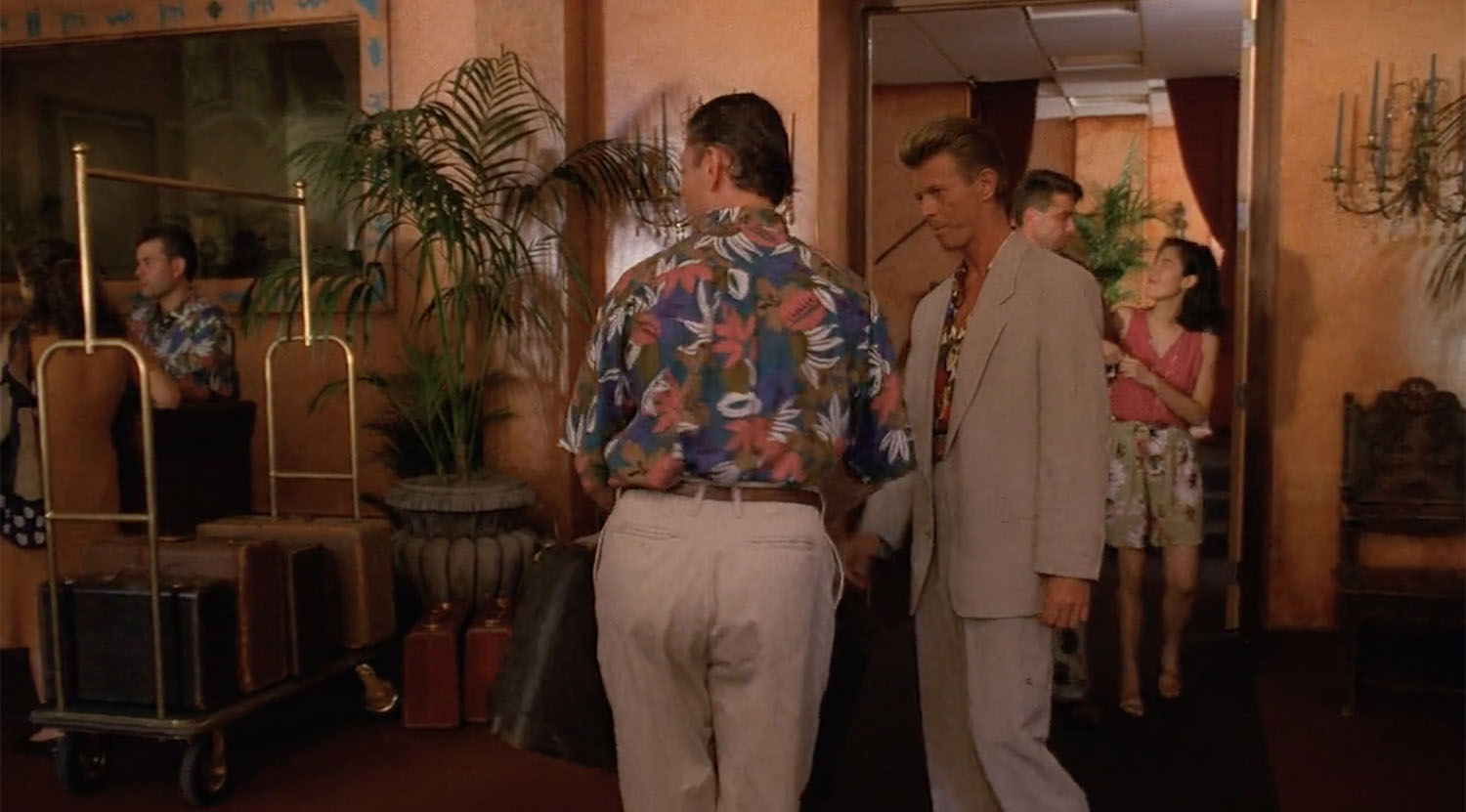
The bellhop then picks up Jeffries bag. You can see the third bellhop at the bell services desk in the background.
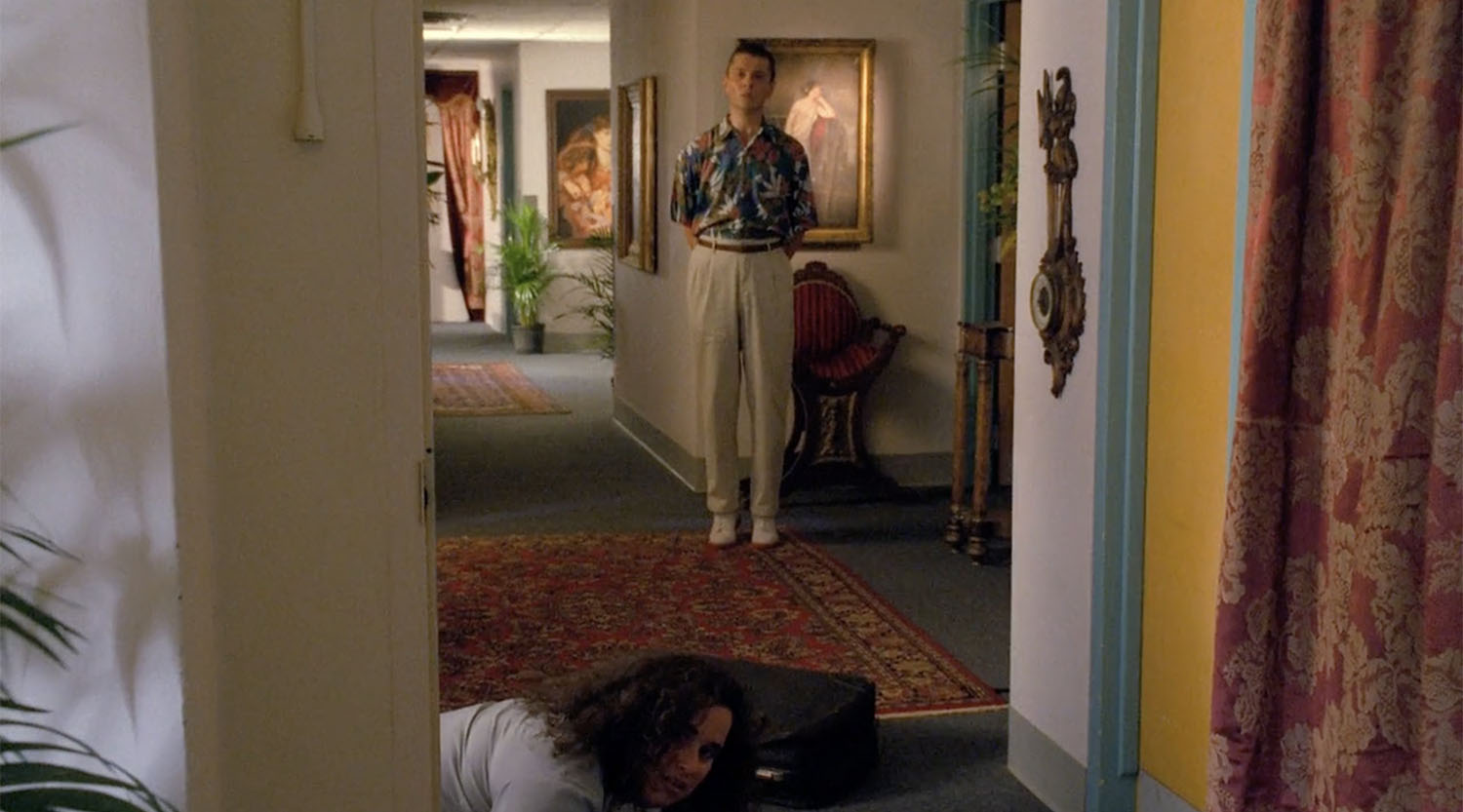
Loverso’s bellhop then appears in the hallway with an extremely frightened maid. He says to Jeffries, “Oh, Mr. Jeffries, de shit it come out of my ass! Santa Maria, where did you go?”
The scene concludes with the bellhop yelling “Ayúdame!” (“Help me” in Spanish) while Jeffries continues screaming from the strange ordeal.
WHAT IS COLOURS BY ALEXANDER JULIAN?
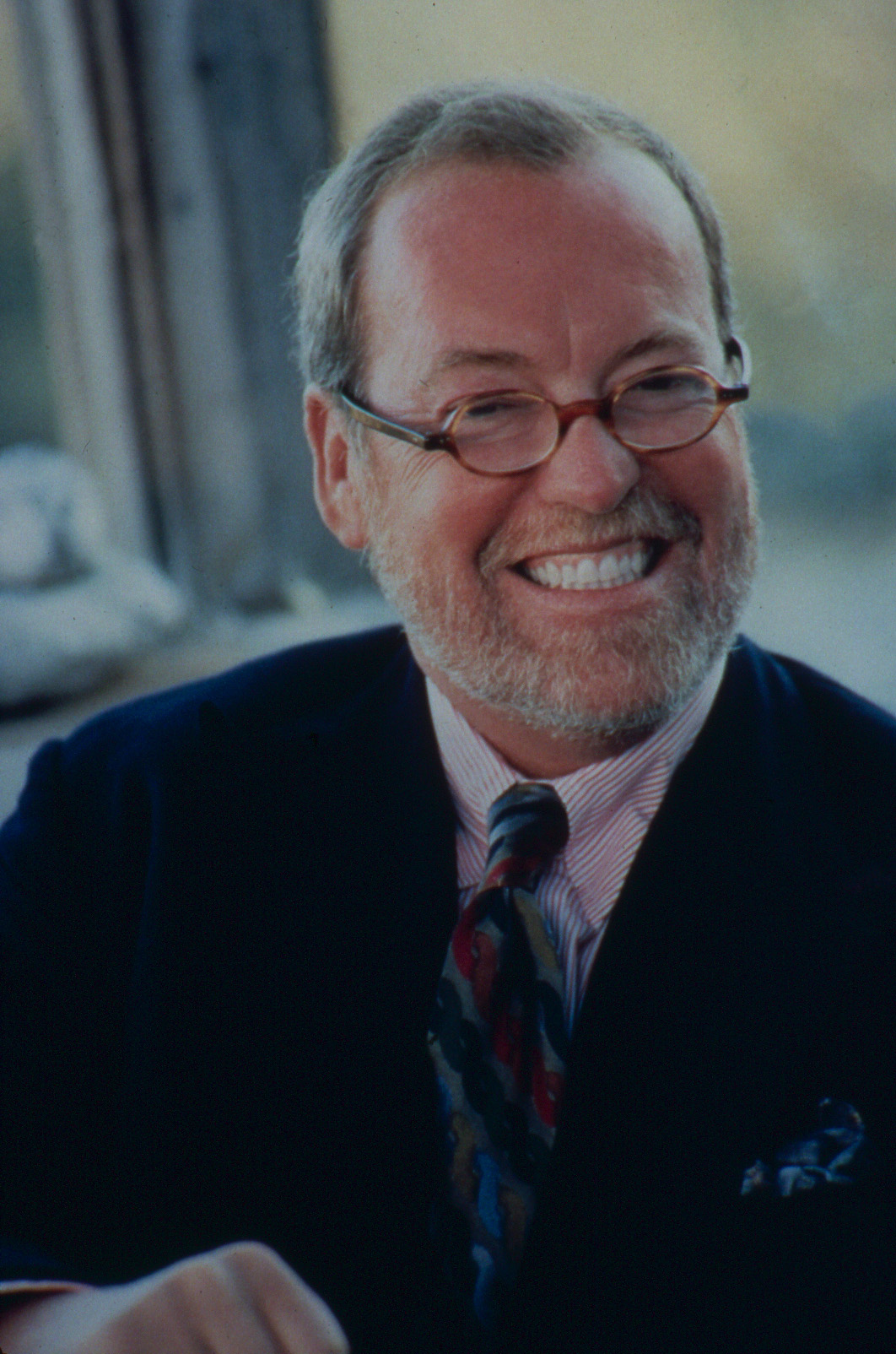
Alexander Julian was born February 8, 1948 in Chapel Hill, North Carolina. His father Maurice Julian (1915-1993) opened a cycling shop in Chapel Hill called Julian’s Cyclery which later became a clothing shop in 1942 simply called Julian’s. Alexander pursued a degree in English at the University of North Carolina, Chapel Hill while working at his father’s clothing store. At age 19, he dropped out of school, released a tenant from his father’s lease and opened his own store, Alexander’s Ambition.
In 1975, he moved to New York City and two years later won a Coty Award (which is like the Academy Awards of design). He is noted for his use of color and unique color combinations and for designing his own fabrics. In 1981, he introduced his Colours line from where the bellhop’s shirt originated.
“I do not believe clothes make the man. Nor should clothing be any man’s main focus,” he told Tribune Fashion Editor Carolyn Monson in a March 29, 1991 interview published in The Salt Lake Tribune. “But a man will be left out if he does not get with it and learn something about what kinds of clothes work best for him and make him look good.
Julian continued by explaining most men will spend time researching cars and technology but not their clothing.
“The average guy researches the car he buys,” continued Julian. “He knows what kind of gas mileage it gets. He knows the kind of CD player that comes with it. It doesn’t make sense that this same guy closes his eyes when he puts on a tie. Dressing well is another facet of living. It will be helpful to a man’s overall rate of success. Playboy magazine said that a man wearing my clothes improves his sex life. I can’t claim the improvement was due to my clothes only, but I do know it a man looks and feels good, the rest follows.”
That’s a bold claim but it was the 1990s.
Other notable designs from Julian include the Charlotte Hornets basketball uniforms when they joined the NBA, redesigned University of North Carolina Tar Heels men’s basketball uniforms, and apparel for Paul Newman’s Newman-Haas IndyCar team, including drivers Mario and Michael Andretti. Julian was the costume designer for the 1992 Robert Altman film, The Player which also had a premiere at the 1992 Cannes Film Festival where David Lynch’s Twin Peaks: Fire Walk With Me also premiered.
Alexander consolidated his companies under a venture capital fund in the early 1990s, which subsequently liquidated its fashion interests in 1995. Decades later in 2015, Alex and his youngest son, Huston, started working together to relaunch the Alexander Julian clothing brand. You can find them online at AlexanderJulian.com
WHO IS STEFANO LOVERSO, THE BELLHOP?

According to a bio on Concord Theatricals, Loverso worked as a professional actor in regional and Off-Broadway theatre, film, and television. His’s appeared in Saturday Night Live; One Life to Live; Ryan’s Hope; Northern Exposure; and Rage of Angels II. He’s also worked as a director, producer, and writer with his wife, Mary Irey. Their first writing collaboration the one-act Who’s Afraid of Scarlett O’Hara, which was produced as a workshop in New York City at Ensemble Studio Theatre. They also founded the professional theatre company Helper Intermountain Theatre, for which they co-wrote A Christmas Carol…more or less.
But I found an interesting connection to Twin Peaks from a 1973 The Minneapolis Star newspaper review of a play titled, “Angel Street.” The article mentions a key individual connected direct to Lynch and Frost’s show:
“Director Warren Frost has assembled an excellent cast for the working out of this entertainment. In addition, Thomas Prewitt’s setting is beautiful, substantial and subliminally malevolent … Stefano Loverso’s Manningham is strong, menacing and quite distasteful.”
So most likely Warren Frost, who is Mark Frost’s father and played Doc Hayward, knew Loverso from time together in Minnesota. They don’t share scenes in Twin Peaks: Fire Walk With Me or The Missing Pieces but i’m assuming there is some connection there.
Author
Discover more from TWIN PEAKS BLOG
Subscribe to get the latest posts sent to your email.