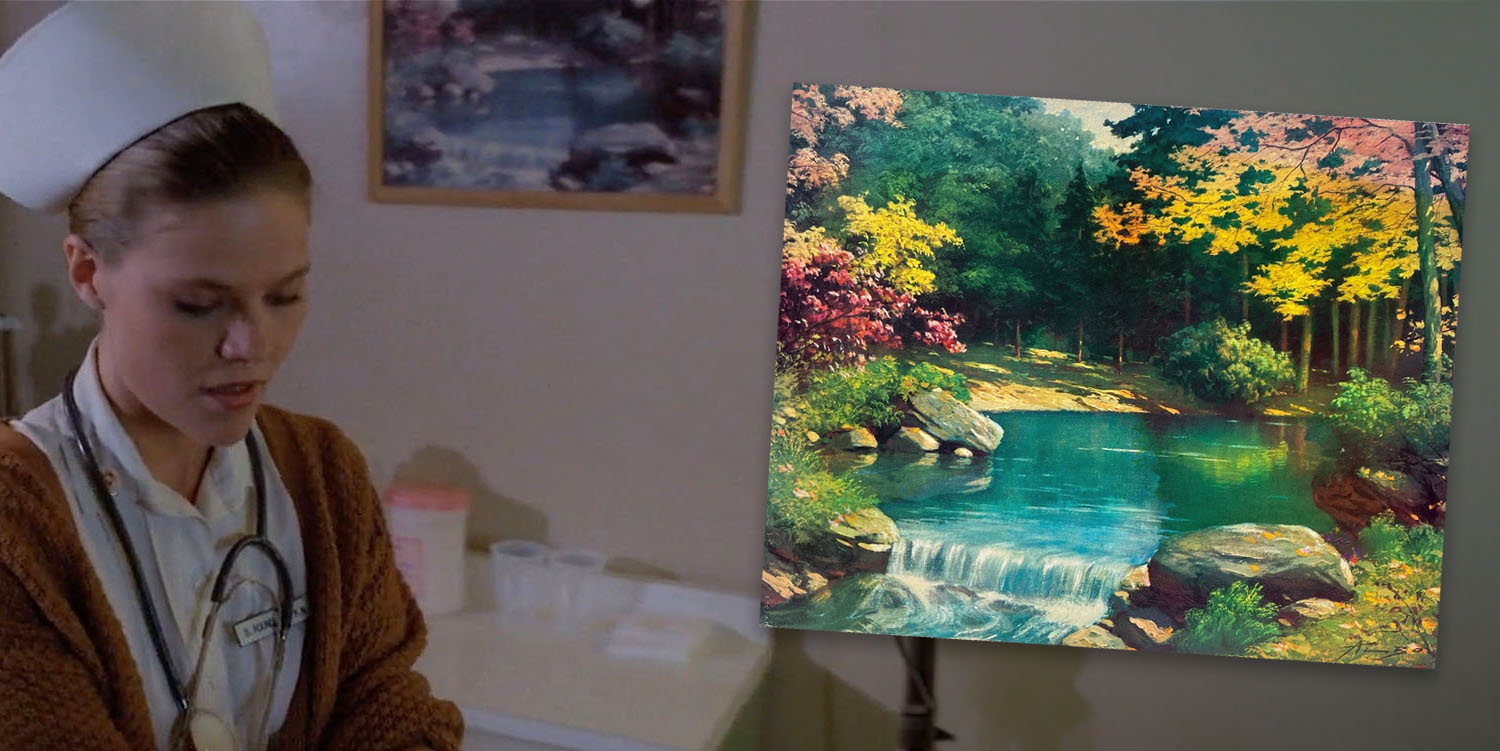
One of the earliest articles on Twin Peaks Blog was about artwork by English artist Jon Atwood displayed on the Double R Diner set. This article kicked off years of research into identifying props and other set decorations (there’s even a page dedicated to this work now). I love identifying these set pieces as they are something I can own, usually because the artwork was mass produced in the mid-1960s and is readily available via auction sites. This is the case with framed artwork found in Annie Blackburn’s hospital room as seen in Twin Peaks: The Missing Pieces. This deleted scene from Twin Peaks: Fire Walk With Me shows nurse B. Roundtree (Therese Xavier Tinling) tending to Annie before taking her Owl Cave ring. As I researched the artwork, I realized it’s a mystery worthy of inclusion in David Lynch and Mark Frost’s wonderful and strange world.
“WOODLAND POOL” IN ANNIE BLACKBURN’S HOSPITAL ROOM FROM TWIN PEAKS: THE MISSING PIECES
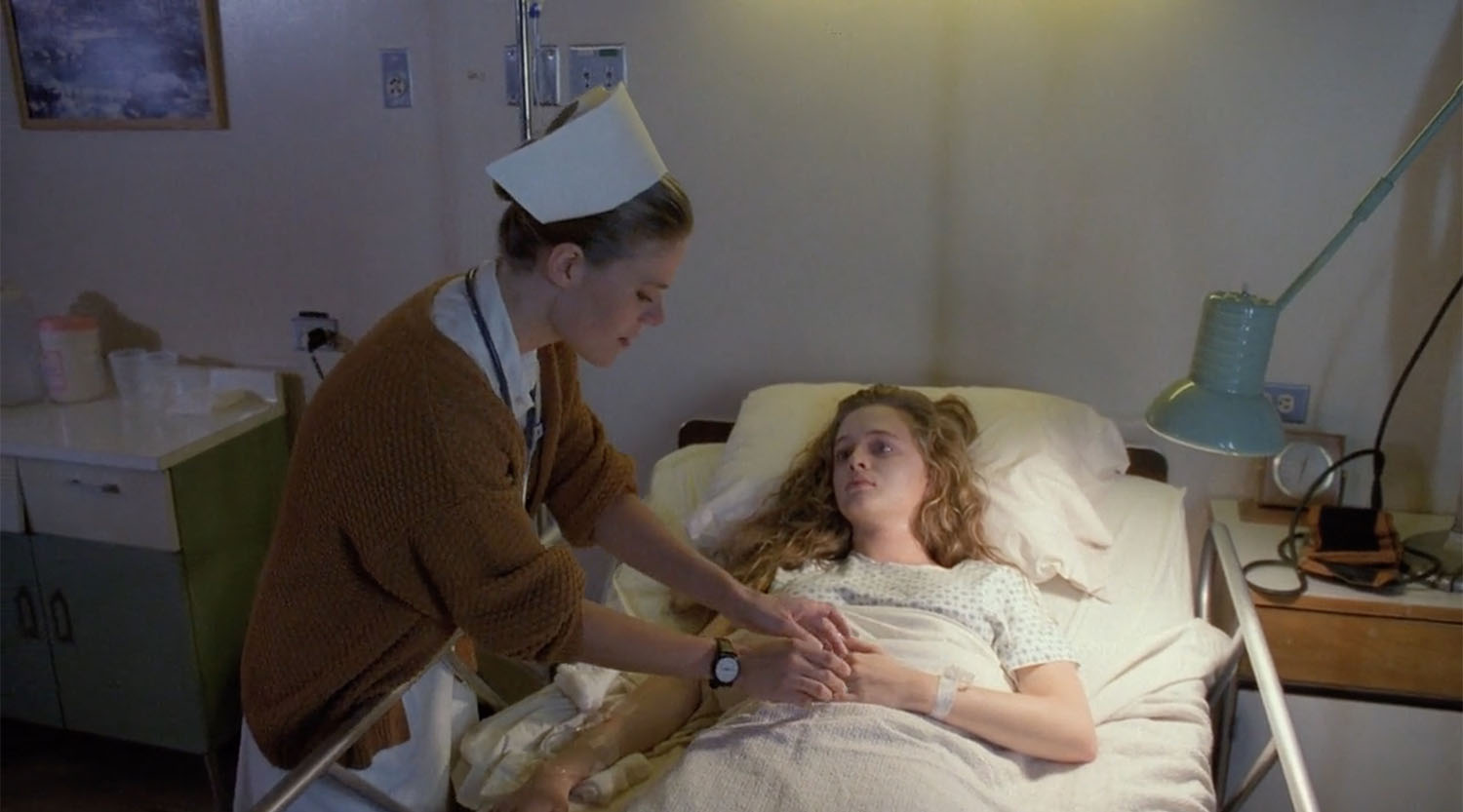
The framed artwork is briefly seen in the background of Annie Blackburn’s hospital room in Twin Peaks: The Missing Pieces. The scene was shot at the now demolished Cabrini Hospital in downtown Seattle (the F.B.I. Office scenes were also filmed in this location).
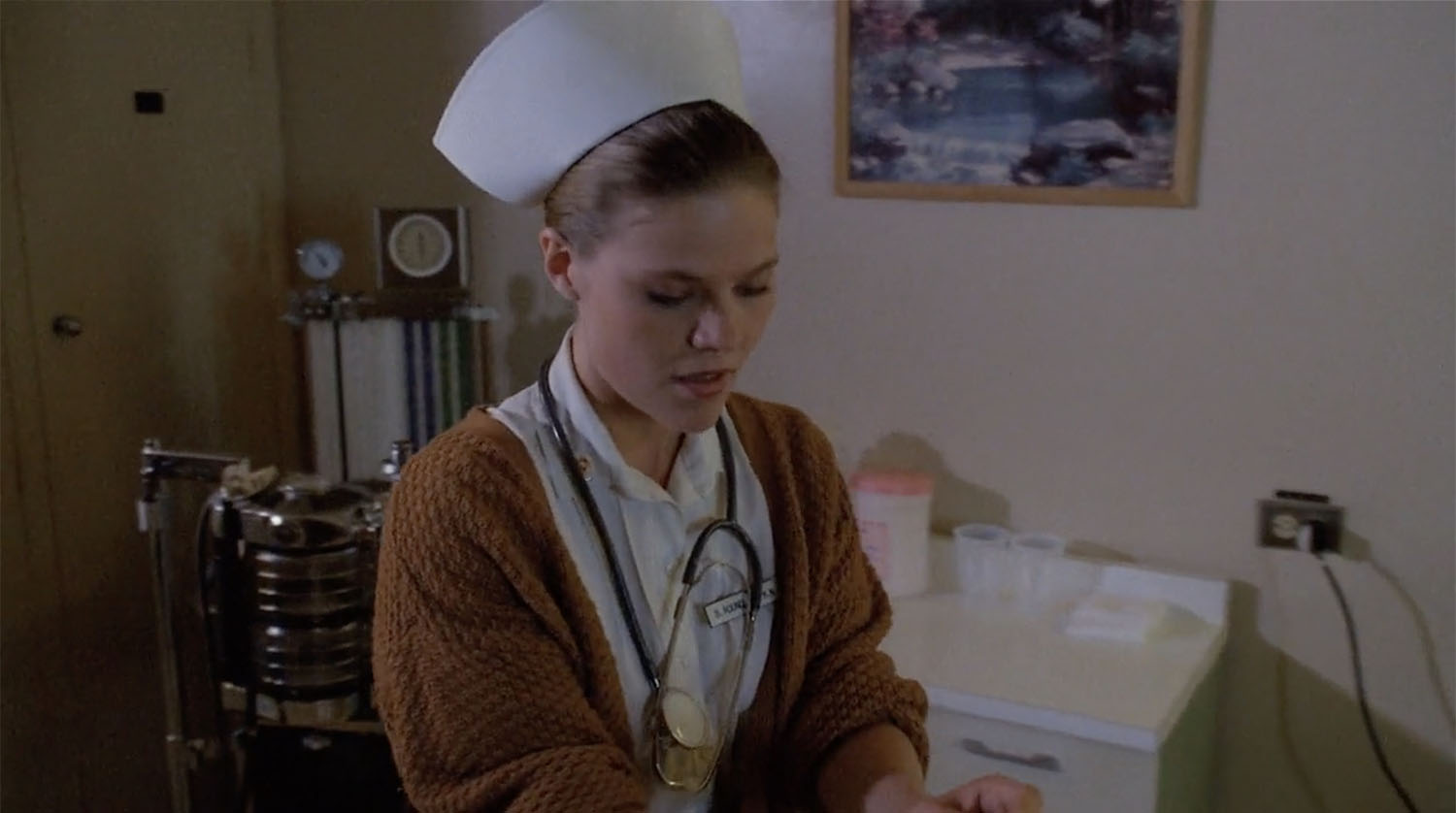
Most likely, the framed piece was added to the set by Production Designer Patricia Norris and Set Decorator Leslie Morales.
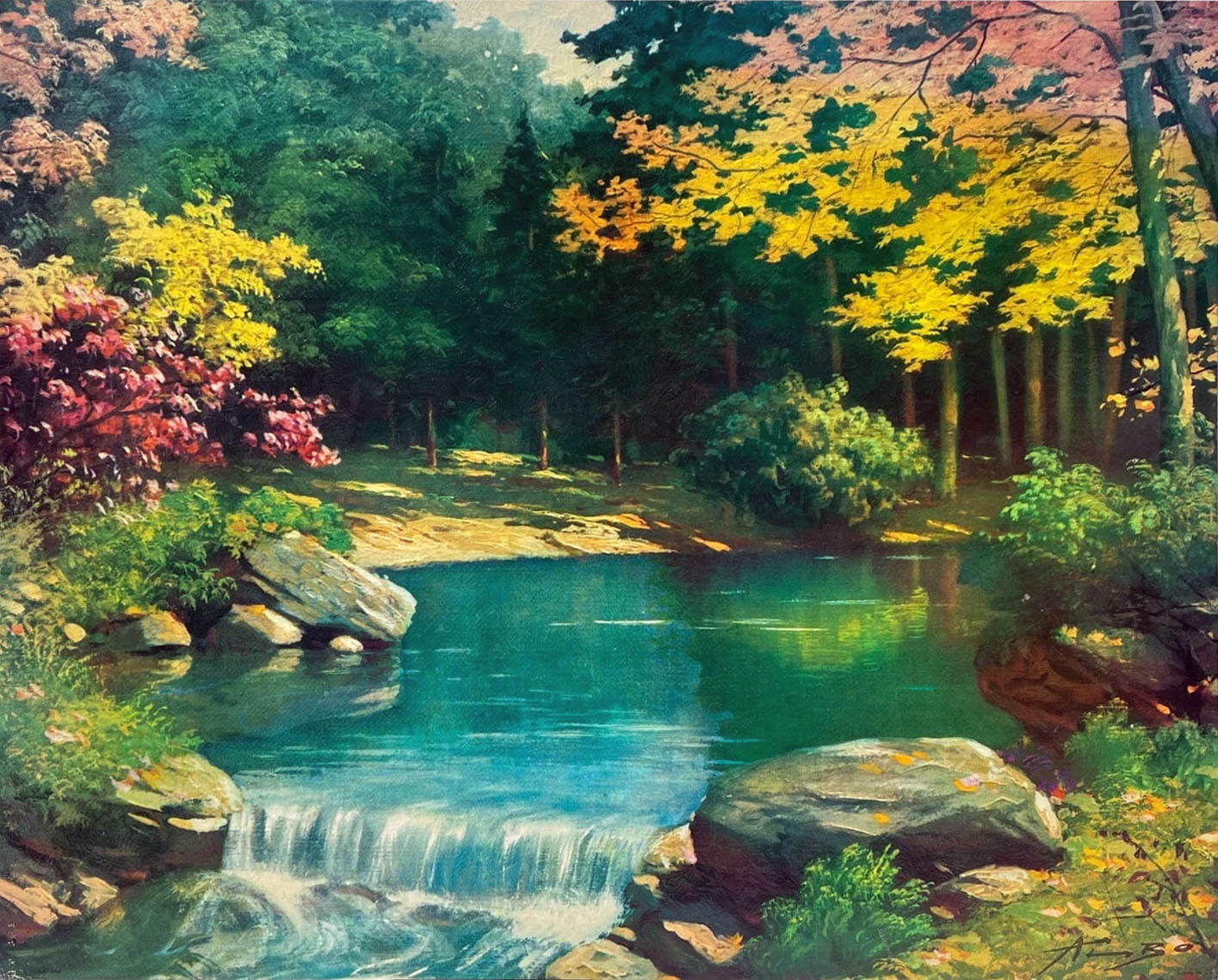
A quick image search turned up this colorful nature scene with trees overlooking a pool of water.
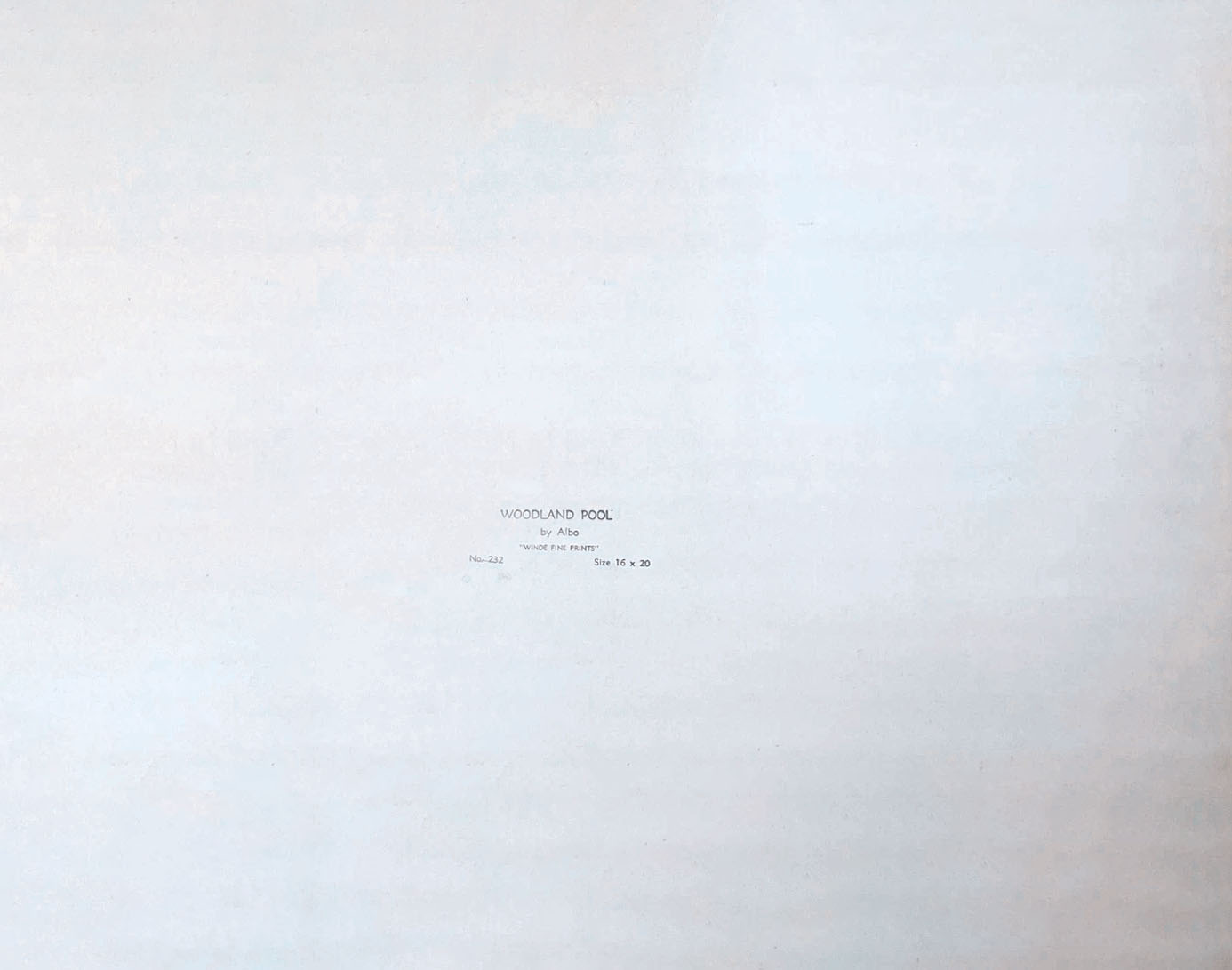
The back of this artwork contained the name, artist and publisher. The piece, titled “Woodland Pool,” was created by Albo. It was number 232 from Winde Fine Prints and measured 16-inches by 20-inches. Normally, I would be done with this article but researching the artist “August Albo” uncovered an even deeper mystery.
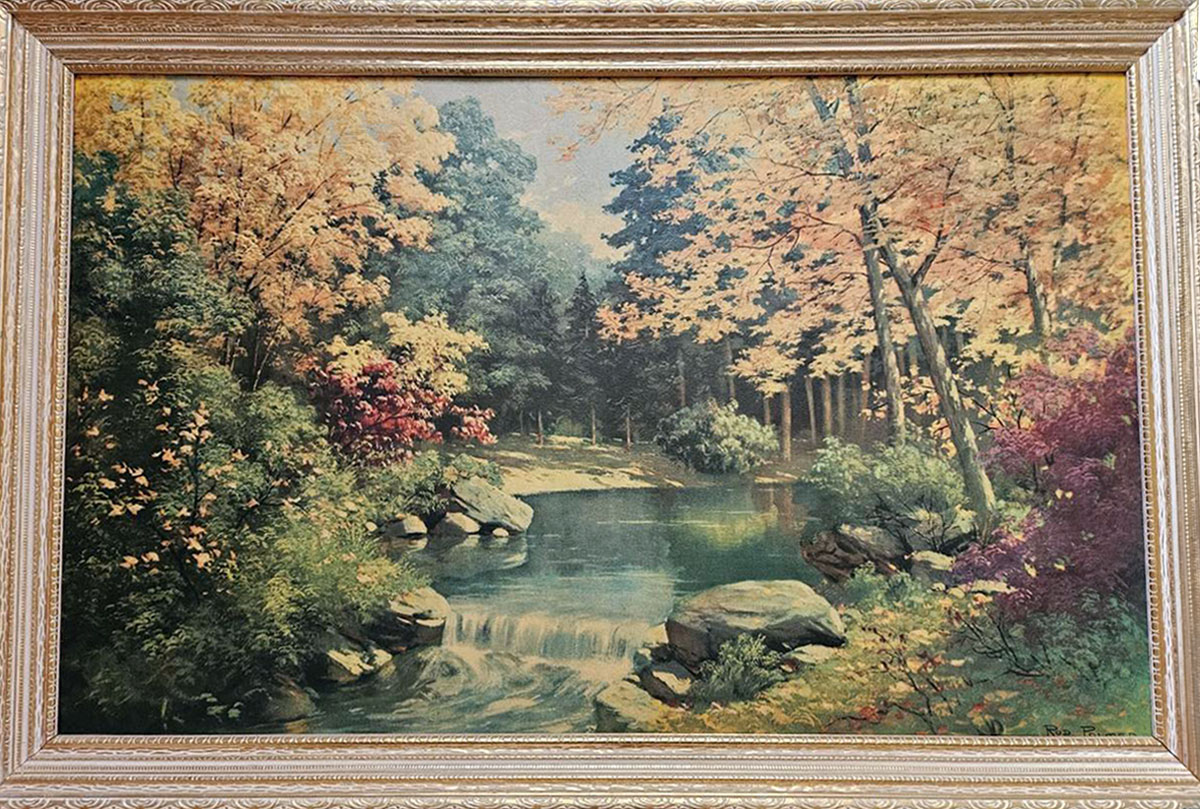
This “Woodland Pool” artwork was actually a cropped image from this original work by Rod Palmer titled “Turning Leaves.” It measured 30-inches by 46-inches.
TRACING THE “TURNING LEAVES” AND “WOODLAND POOL” PAINTINGS VIA NEWSPAPER ADS
I traced the history of these pieces from newspaper advertisements of the 1950s and 60s.
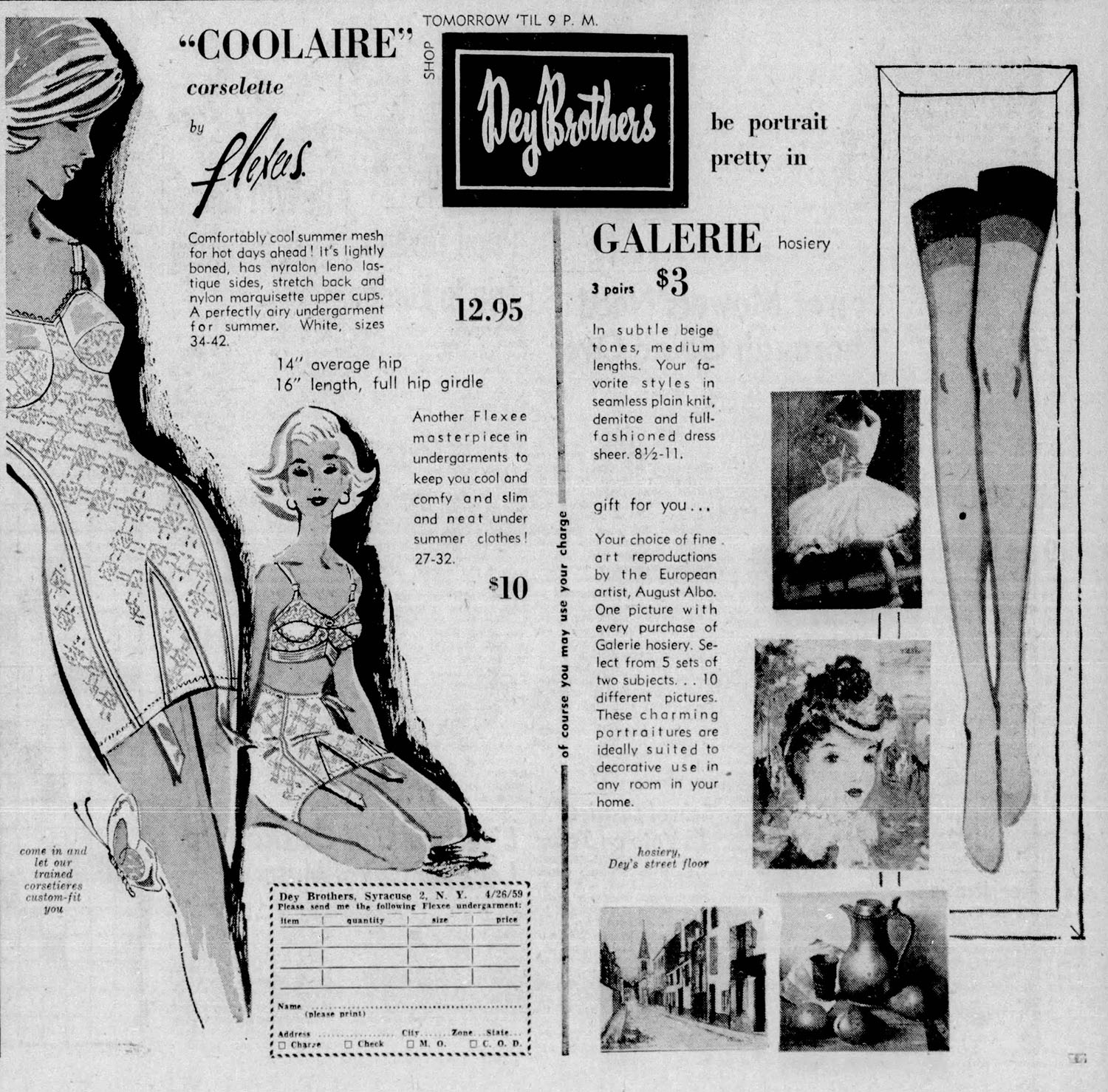
The earliest mention I could find of “August Albo” comes from a Dey Brothers advertisement in The Post Standard on April 26, 1959. The Syracuse, New York store offered artwork by Albo as a gift with purchase for Galerie hosiery:
“Your choice of find art reproductions by the European artist August Albo. One picture with every purchase of Galerie hosiery. Select from 5 sets of two subjects … 10 different pictures. These charming portraitures are ideally suited to decorative use in any room in your home.”
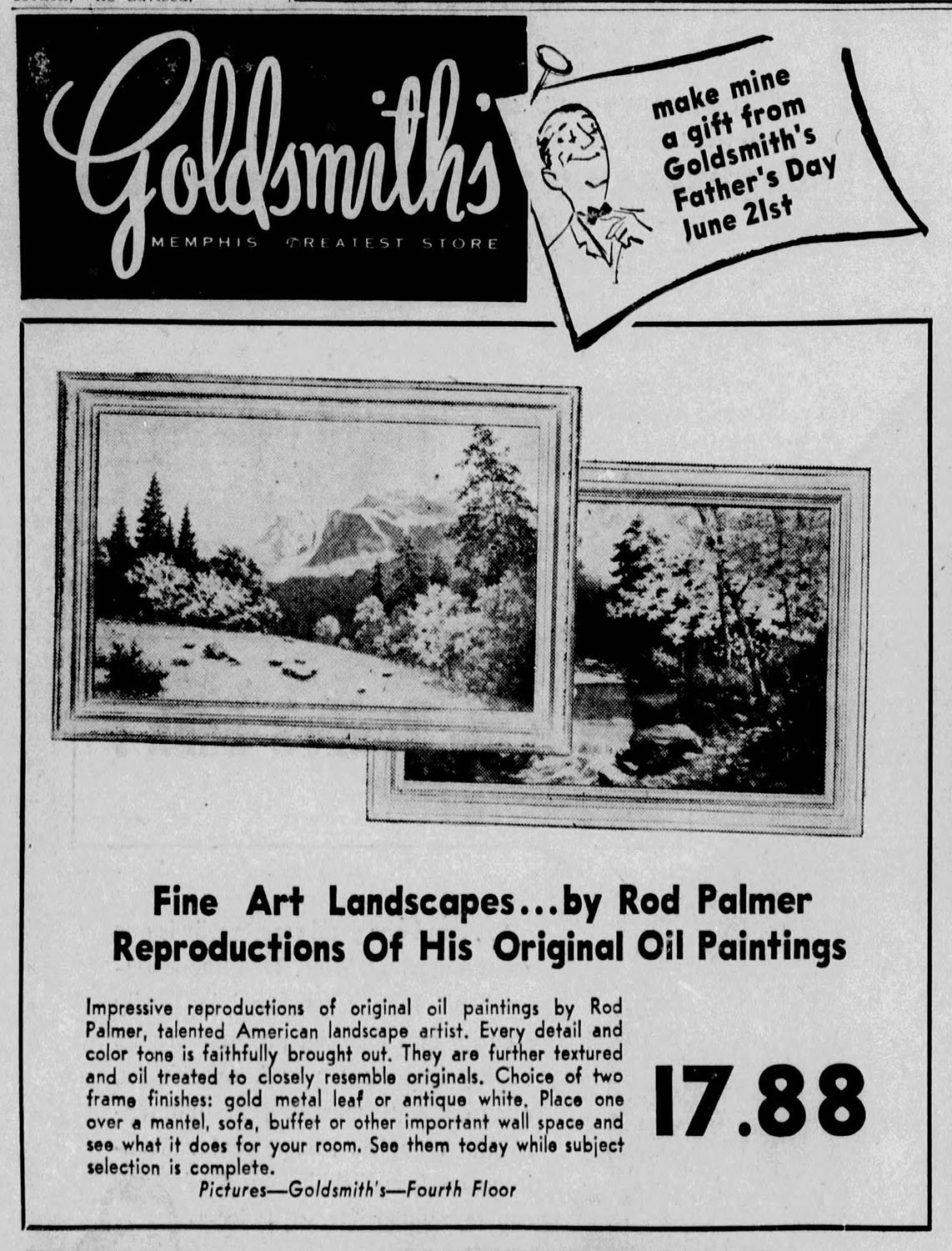
About two months later, Rod Palmer shows up in an advertisement Goldsmith’s in Memphis, Tennessee. Located on the fourth floor, shoppers could find fine art landscaped by Palmer which were reproductions of his original oil paintings. You’ll notice that one of the framed images is the “Woodland Pool” / “Turning Leaves” painting.
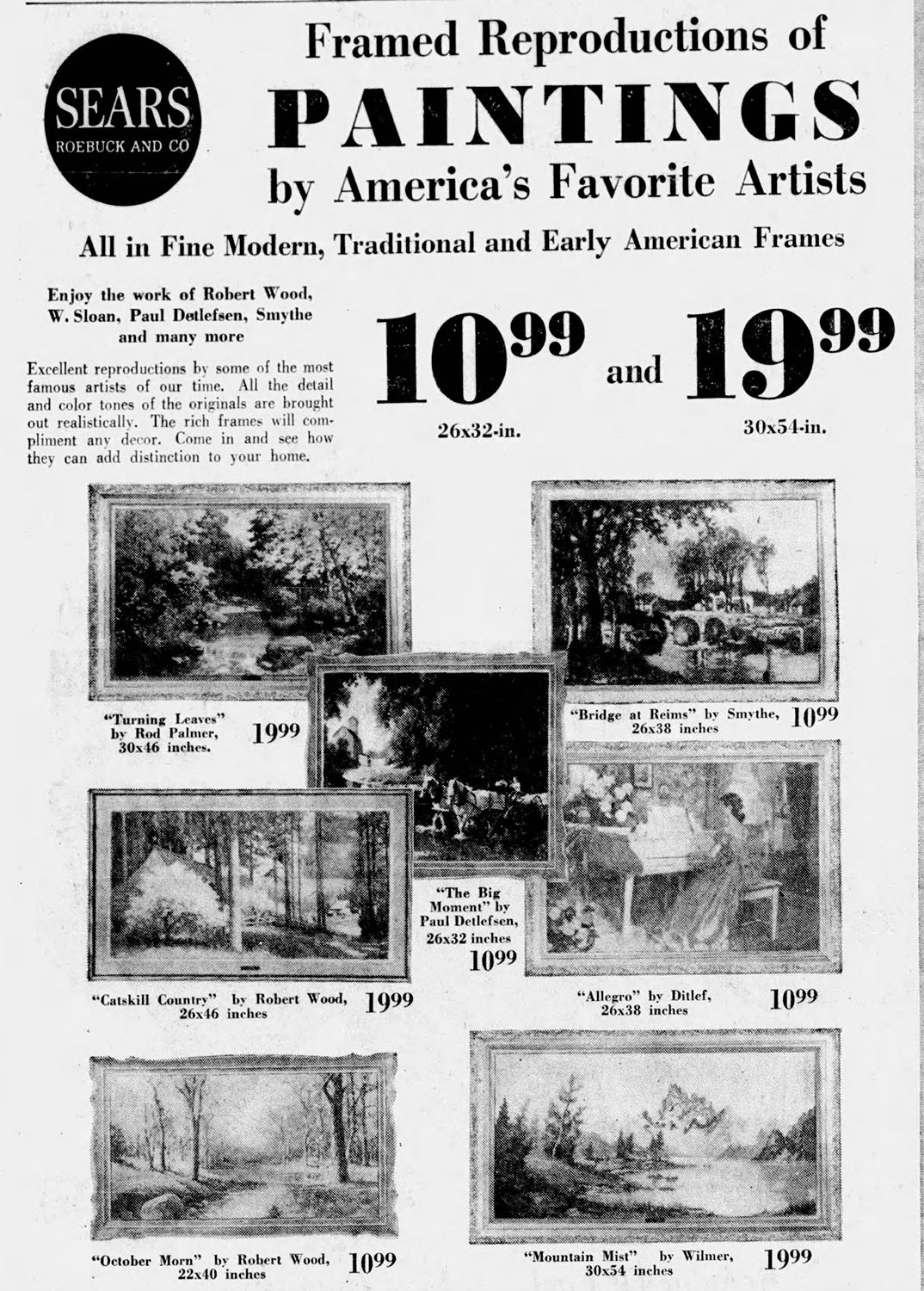
In April 1962, a Sears Roebuck and Co. advertisement ran in The Atlanta Journal about “famed reproductions of paintings by America’s favorite artists.” Rod Palmer’s piece was titled “Turning Leaves” and measured 30-inches by 46-inches. This was the previously shown framed artwork earlier in this article.
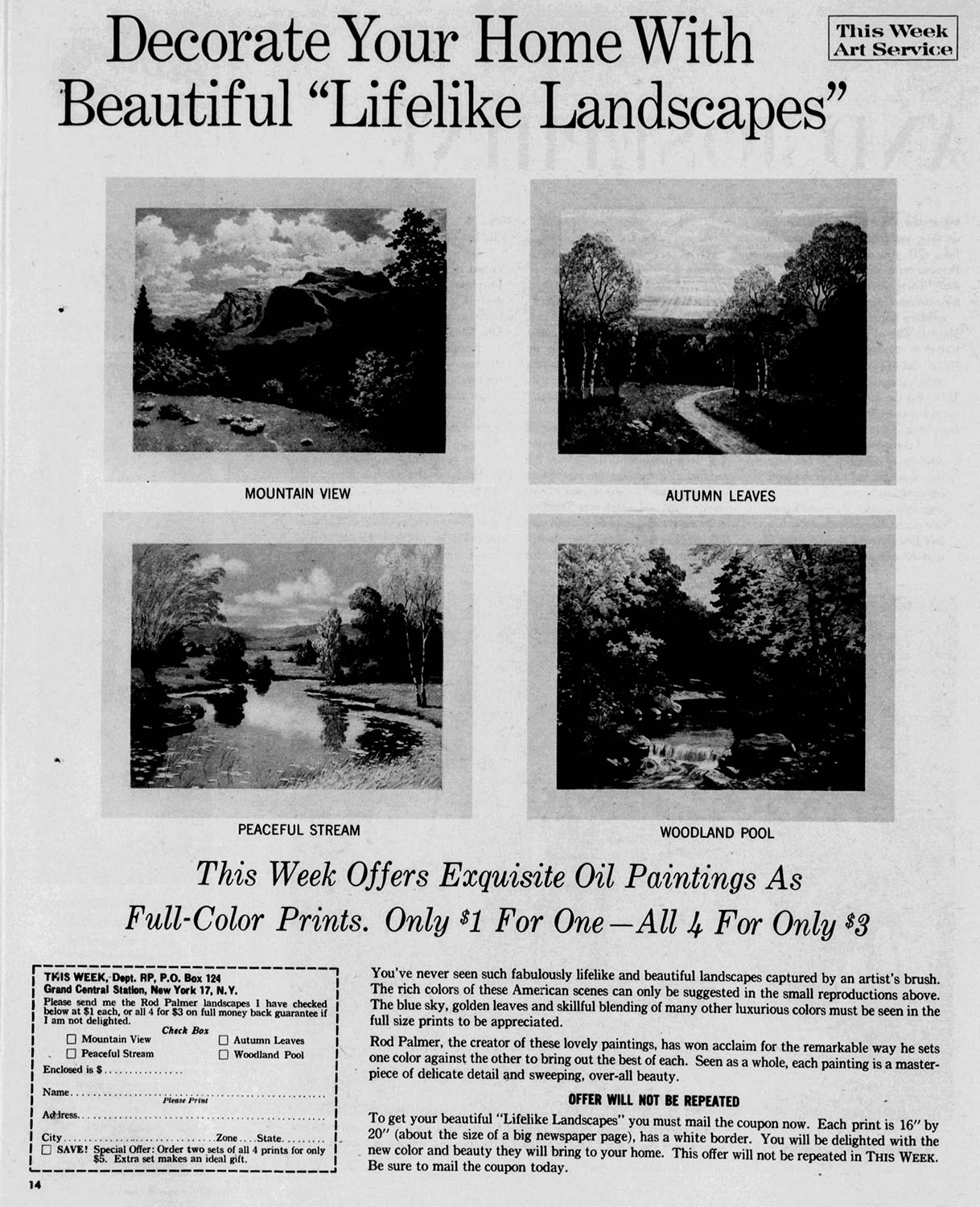
Two years later, Palmer turns up in another advertisement published in The Buffalo News on February 22, 1964. This time, his “Turning Leaves” painting is now cropped and retitled, “Woodland Pool.”
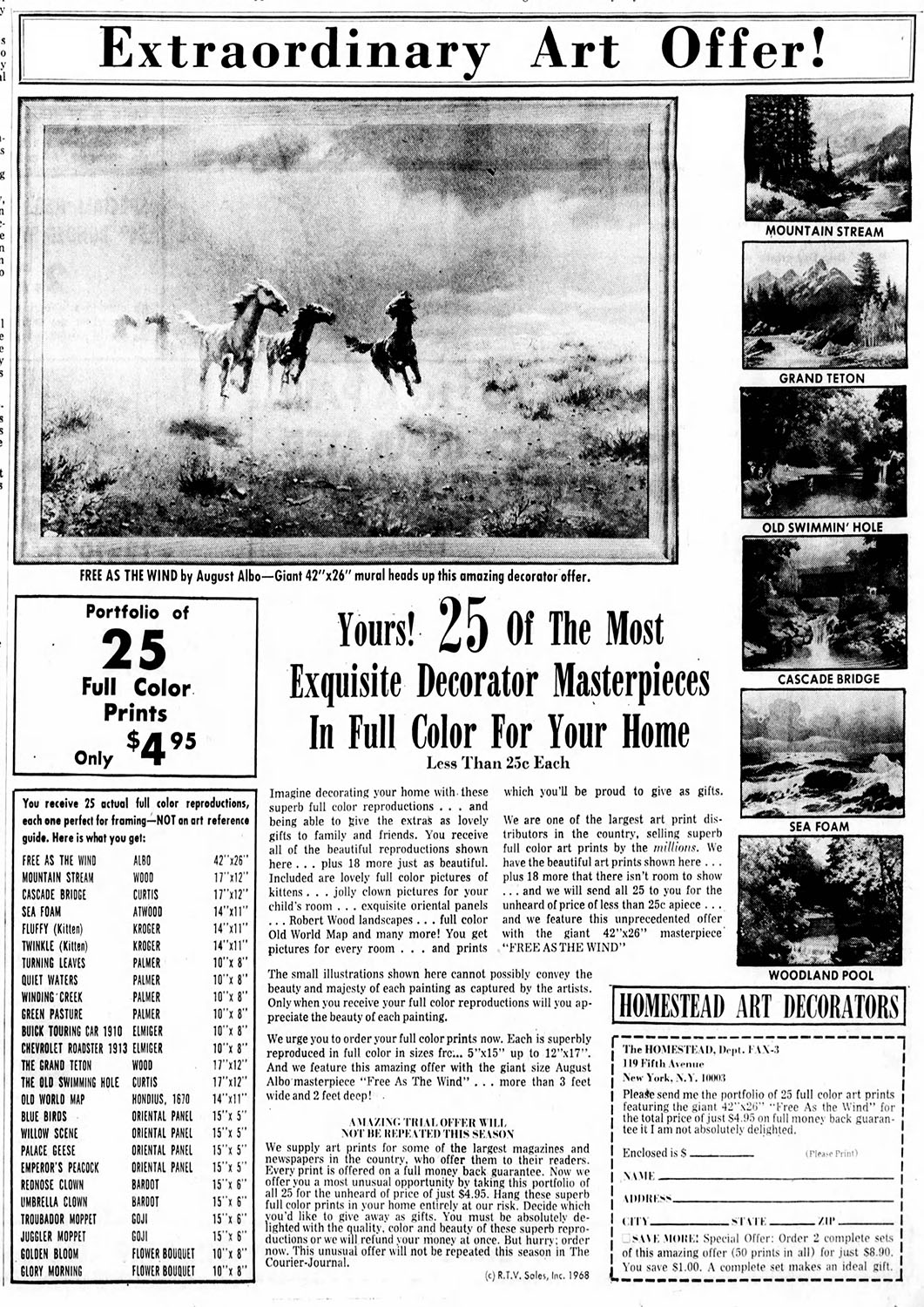
By 1968, Palmer’s “Woodland Pool” was being offered as part of “25 of the most exquisite decorator masterpieces in full color.” The portfolio of 25 full color prints were sold for only $4.95 and included Rod’s work. The cropped nature scene, which is shown below Jon Atwood’s “Sea Foam” found in the Double R Diner, was listed as “Turning Leaves” in the small rectangular side bar. Clearly, a printing error since they are, to paraphrase the Giant, “one and the same.”
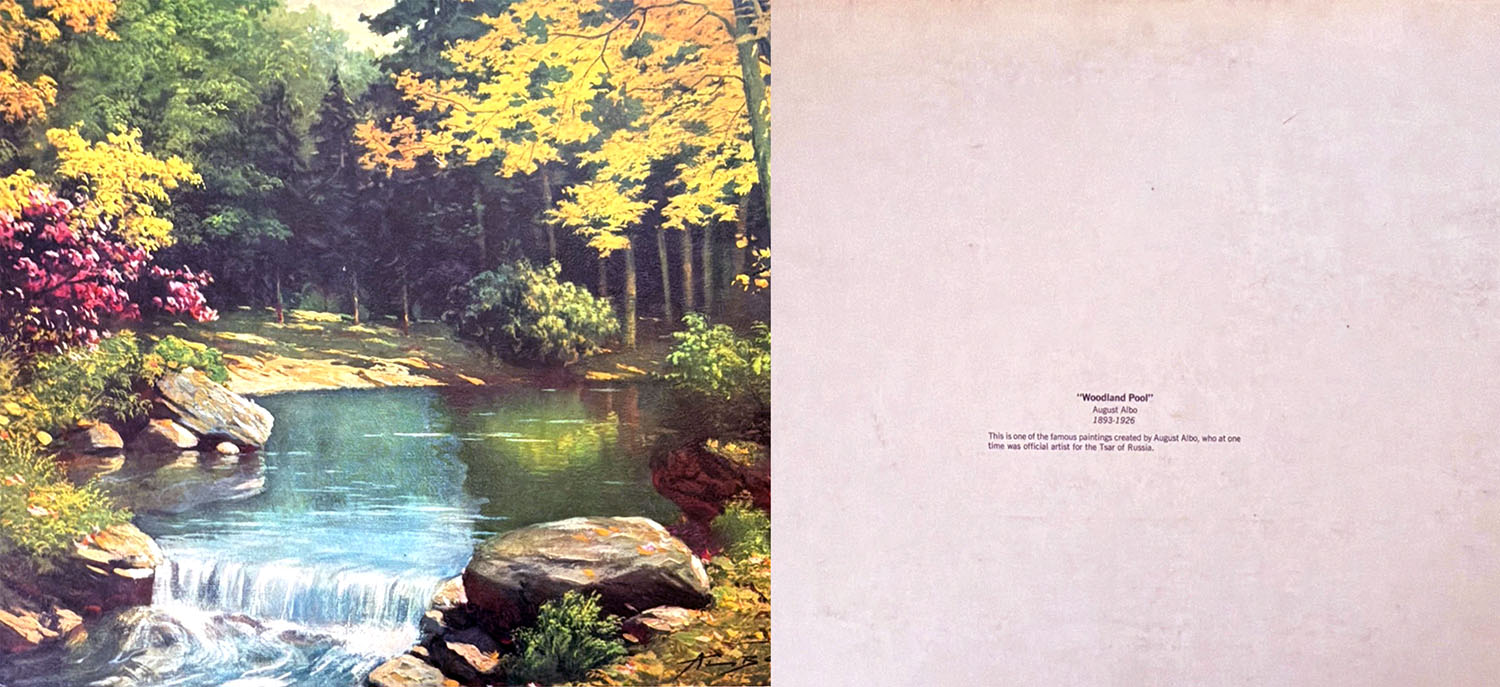
But this is where things get crazy. I found other artwork on Ebay.com that lists August Albo as the painter. This one had a unique inscription stating Albo lived from 1893 to 1926, “This is one of the famous paintings created by August Albo, who at one time was official artist for the Tsar of Russia.”
That’s quite a claim, most likely embellished to create a false sense of value.
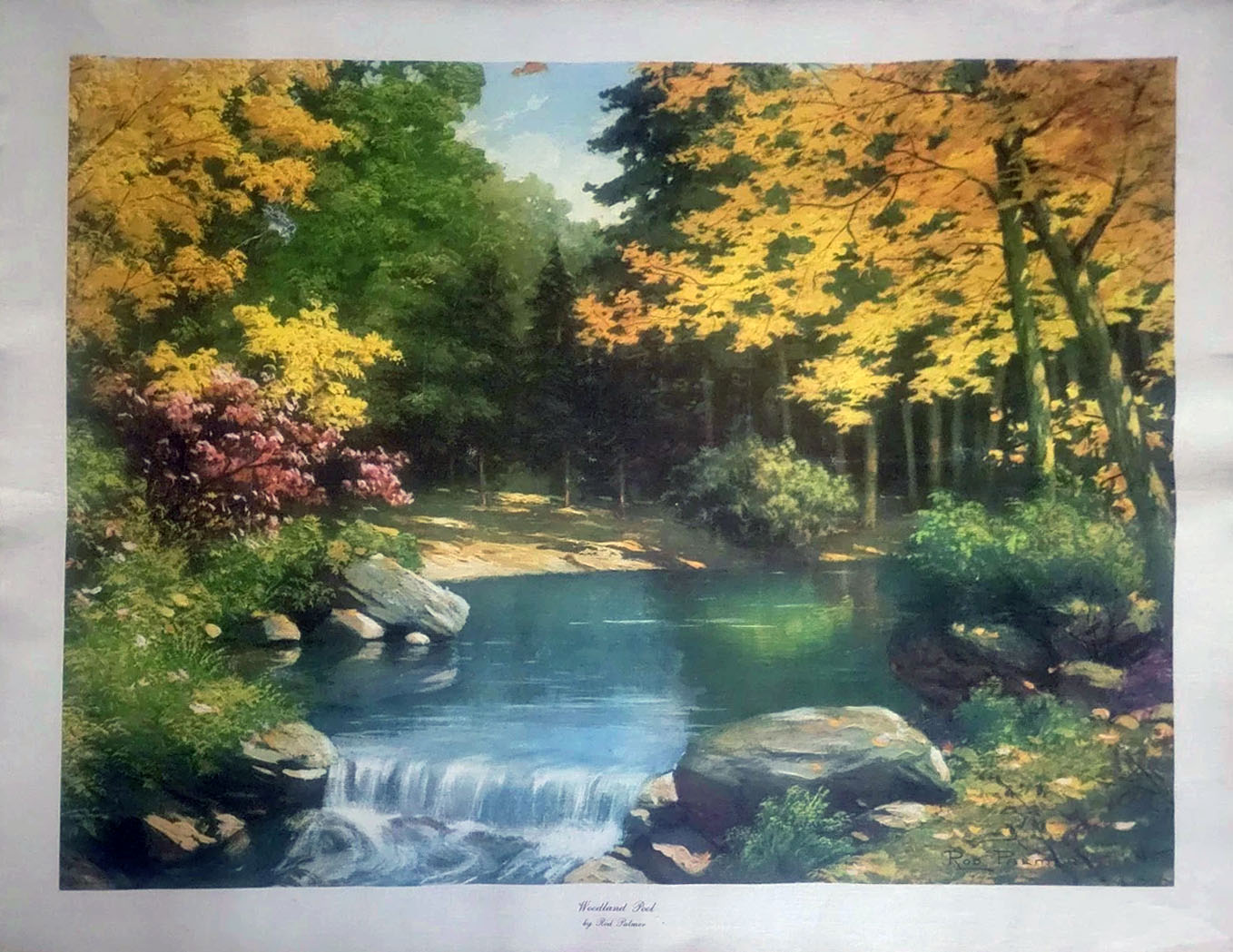
And yet, I also found poster-like prints with a white border titled “Woodland Pool” by Rod Palmer.
So who were August Albo and Rod Palmer?
WHO WERE AUGUST ALBO AND ROD PALMER?
As it turns out, these individuals may be the same person – an Estonian artist who painted nature and wildlife scenes during the early and middle part of the 20th Century.
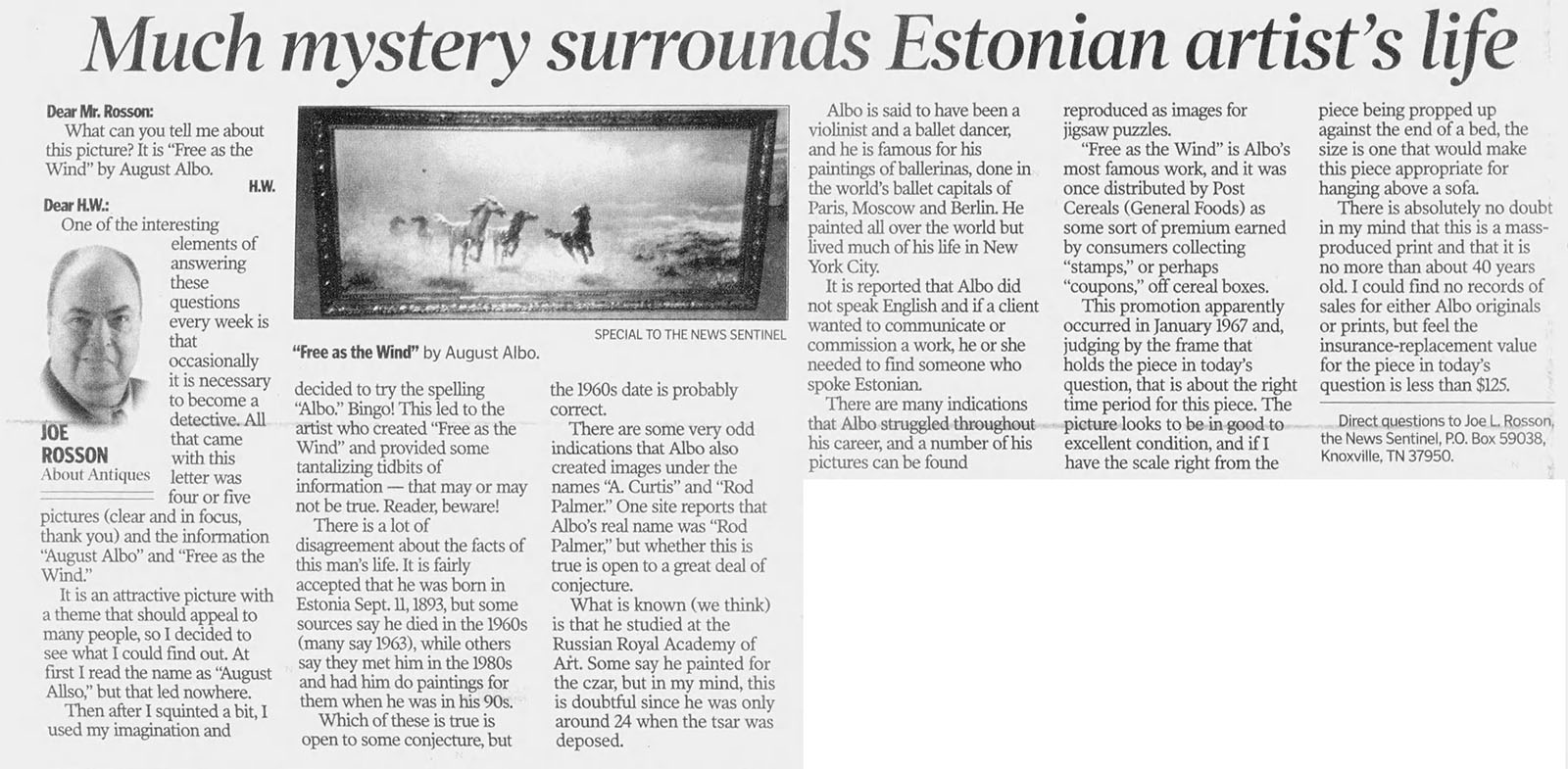
In November 2006, Joe Rosson answered a reader’s question in his “About Antiques” column in The Knoxville News Sentinel. A reader asked about a painting by August Albo titled “Free as the Wind.” You might recognize the painting from a previous newspaper advertisement shown earlier in this story.
“There is a lot of disagreement about the facts of this man’s life,” wrote Rosson. “It is fairly accepted that he was born in Estonia Sept. 11, 1893, but some sources say he died in the 1960s (many say 1963), while others say they met him in the 1980s and had him do paintings for them when he was in his 90s. Which of these is true is open to some conjecture, but the 1960s date is probably correct.”
Rosson continues that Albo most likely created artwork under other names such as “A. Curtis” and “Rod Palmer.”
“One site reports that Albo’s real name was “Rod Palmer,” but whether this is true is open to a great deal of conjecture. What is known (we think) is that he studied at the Russian Royal Academy of Art. Some say he painted for the czar, but in my mind. this is doubtful since he was only around 24 when the tsar was deposed. Albo is said to have been a violinist and a ballet dancer, and he is famous for his paintings of ballerinas, done in the world’s ballet capitals of Paris, Moscow and Berlin. He painted all over the world but lived much of his life in New York City It is reported that Albo did not speak English and if a client wanted to communicate or commission a work, he or she needed to find someone who spoke Estonian.”
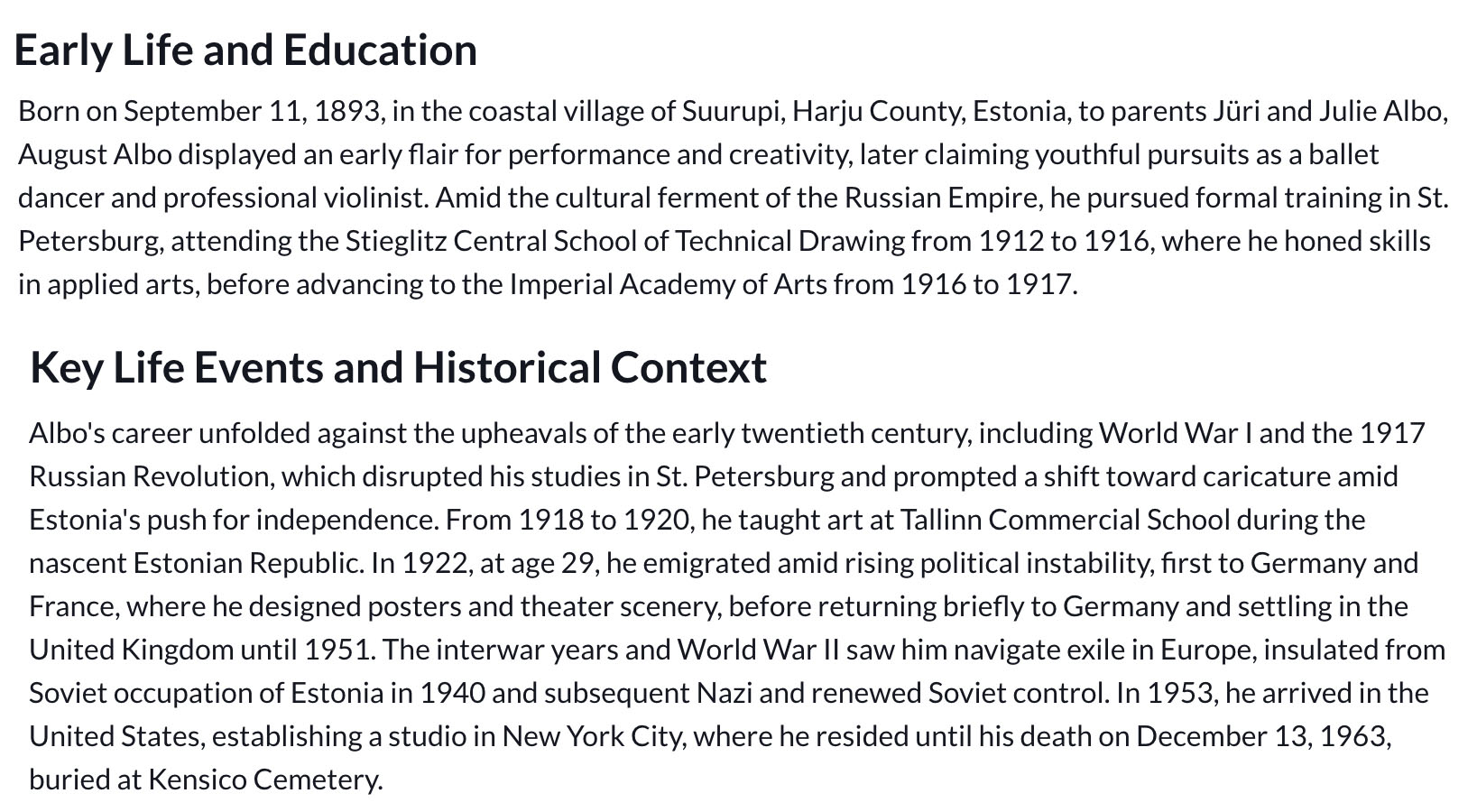
The mystery deepens as MutualArt.com has an extensive bio about August Albo on their website.
“Born on September 11, 1893, in the coastal village of Suurupi, Harju County, Estonia, to parents Jüri and Julie Albo, August Albo displayed an early flair for performance and creativity, later claiming youthful pursuits as a ballet dancer and professional violinist. Amid the cultural ferment of the Russian Empire, he pursued formal training in St. Petersburg, attending the Stieglitz Central School of Technical Drawing from 1912 to 1916, where he honed skills in applied arts, before advancing to the Imperial Academy of Arts from 1916 to 1917.
Albo’s career unfolded against the upheavals of the early twentieth century, including World War I and the 1917 Russian Revolution, which disrupted his studies in St. Petersburg and prompted a shift toward caricature amid Estonia’s push for independence. From 1918 to 1920, he taught art at Tallinn Commercial School during the nascent Estonian Republic. In 1922, at age 29, he emigrated amid rising political instability, first to Germany and France, where he designed posters and theater scenery, before returning briefly to Germany and settling in the United Kingdom until 1951.
The interwar years and World War II saw him navigate exile in Europe, insulated from Soviet occupation of Estonia in 1940 and subsequent Nazi and renewed Soviet control. Arriving in New York in 1953, he aligned with publishers like the Donald Art Company, creating multiples under pseudonyms such as Rod Palmer and A. Curtis, culminating in his signature equine series. He resided in New York City until his death on December 13, 1963, buried at Kensico Cemetery.”
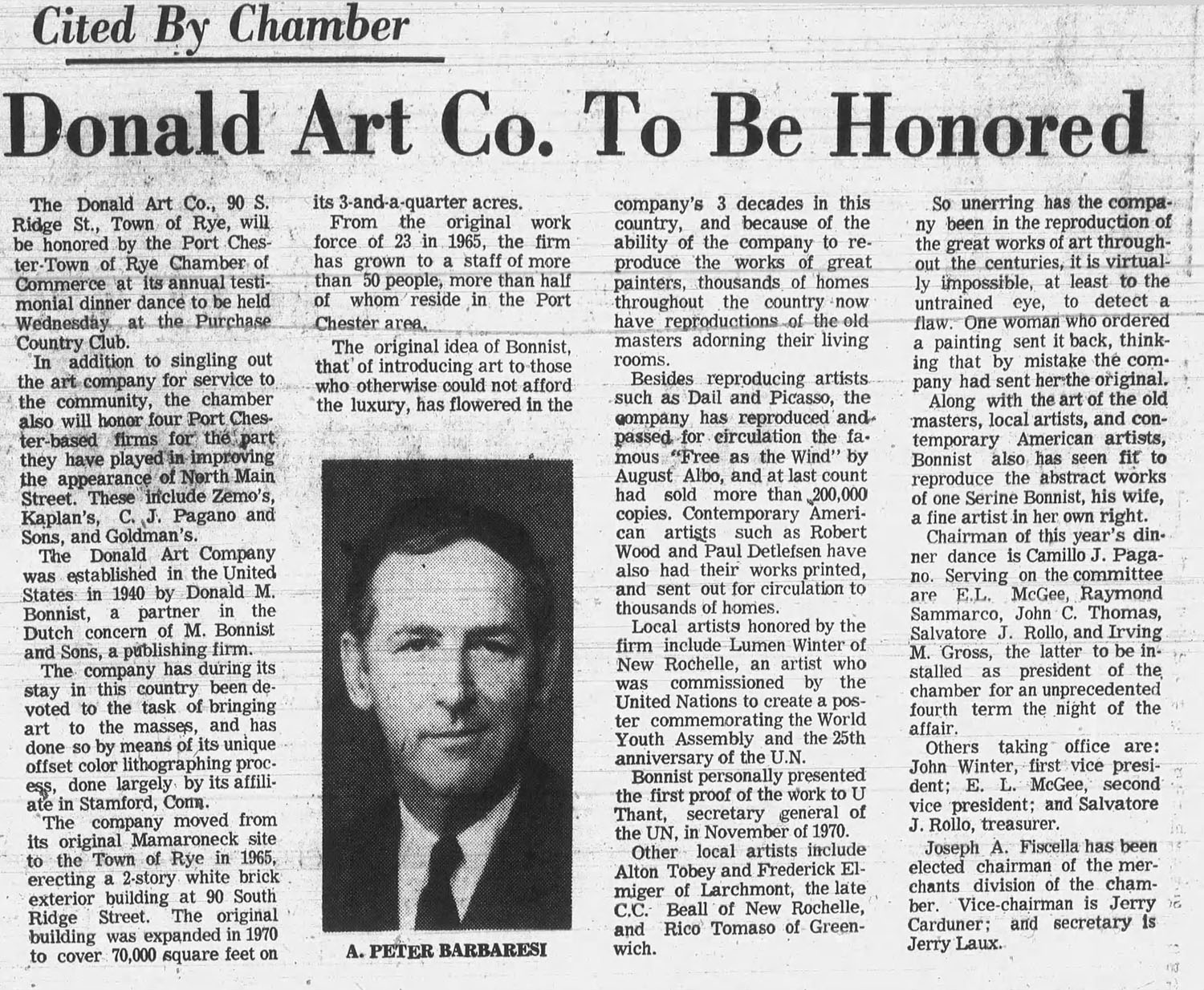
According to an article in The Daily Item on May 21, 1971, the Donald Art Company was established in 1940 by “Donald M. Bonnist, a partner in the Dutch concern of M. Bonnist and Sons, a publishing firm.”
The company was “devoted to the task of bringing art to the masses, and has done so by means of its unique offset color lithographing process, done largely by its affiliate in Stamford, Connecticut.”
The article mentions August Albo’s famous “Free as the Wind,” and that at last count “had sold more than 200,000 copies.”
Yet, I have found no newspaper records about Albo or Palmer, not even a photo of this artist exists online. Typically, I search for obituaries as they provide helpful summations of an individual’s life. I was unable to locate one for Albo or Palmer. I even looked at Kensico Cemetery in New York on FindAGrave.com, but there is no record of Albo being buried there.
This whole situation is weird and I fear the mystery will never be resolved. These kinds of mass-produced arthouses don’t exist today (Donald Art Company went bankrupt in 2000) and the artists who worked for them will be lost to time. For someone who was supposedly once painted portraits for Tsar Nicholas II in Moscow, you would think something would turn up in records.
Maybe one day, I’ll discover more details. For now, I’m glad to know the title of this tranquil scene that hangs near Annie’s hospital bed.
Author
Discover more from TWIN PEAKS BLOG
Subscribe to get the latest posts sent to your email.